







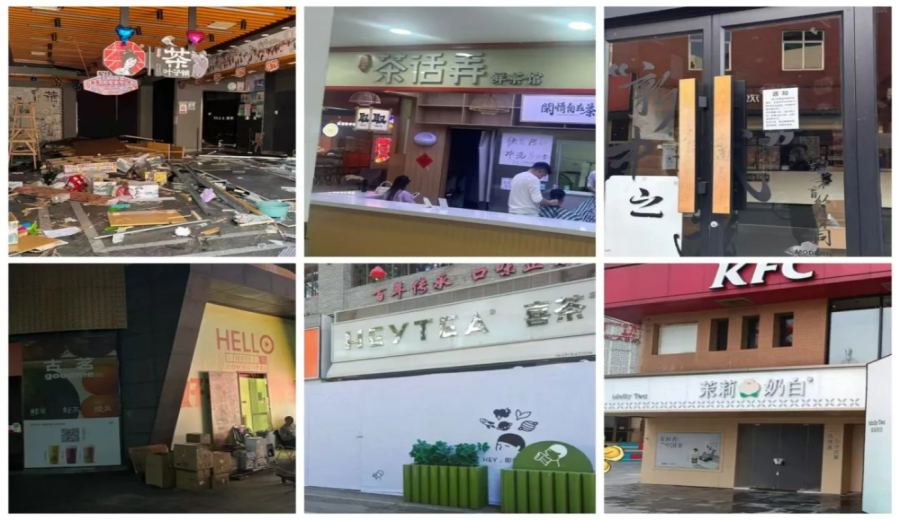
Introduction:The tea beverage market is undergoing an unprecedented period of upheaval. The latest data shows that over the past year, more than 160,000 stores have closed, dragging down the growth of several well-known brands. This article delves into the key factors behind the industry’s downturn—from negative net growth, shifts in expansion strategies among leading brands, to consumer fatigue and product homogenization—helping readers understand the transformation challenges and market trends currently facing the tea beverage industry.
The tea beverage industry has recently undergone dramatic changes, with strong forces reshaping the market. According to market research data, the total number of milk tea beverage outlets across the industry currently stands at 412,600. While 142,300 new stores have opened, the overall net growth is actually negative 17,700, meaning that over 160,000 stores have been forced to shut down due to fierce competition.
Well-known leading brands, including Mixue Ice Cream & Tea, Guming, Uncle No Name, and ChaBaidao, although still maintaining certain growth momentum, have seen a significant slowdown in their store expansion pace. For example, Nayuki, which once performed strongly in the capital market, has seen its stock price plunge by 93% since its IPO, with its market value shrinking dramatically from the original HK$29.363 billion to approximately HK$2.5 billion.
Many consumers may have already noticed in their daily lives that familiar tea beverage shops nearby have suddenly posted closure notices, or that vacant storefronts and signs of renovation removal have become more common than ever. Faced with this situation, some lament the passage of time, while others believe it’s just normal business adjustment. However, compared to previous years, tea shop closures in 2024 are indeed more frequent, and the trend of more stores closing than opening is becoming increasingly evident.
Looking further into the market data, it can be observed that even industry leaders like Mixue Ice Cream & Tea, with a total of 32,400 stores—still leading its competitors—have seen almost no growth compared to the 32,200 stores at the beginning of the year. Other brands such as Guming increased their store count from 9,001 at the end of 2023 to 9,675, Uncle No Name from 7,297 to 8,536, and ChaBaidao from 7,927 to 8,385, but the expansion speed of these brands has also significantly slowed down.
Under the dual pressures of a weak overall economic environment and intensified industry competition, many chain brands are struggling to maintain profitability, with some even falling into loss-making predicaments. As the off-season arrives and consumer demand declines during the autumn and winter months, competition in the tea beverage market becomes even more intense. Many brands, under the mounting pressure of continuous losses, have had to cease operations, becoming part of this wave of closures.
In addition, product homogenization is another major reason for waning consumer interest. For instance, when light milk tea briefly became a market trend, numerous brands quickly followed suit with similar products, and even brands outside the tea beverage category joined the fray, leaving consumers feeling overwhelmed by too many options yet lacking in novelty. HEYTEA attempted to open up a new market with fruit and vegetable teas, sparking a wave of discussion, but as the novelty wore off, the appeal of such products gradually declined. Some consumers even quipped, “Why is it always fruit and vegetable juice?” reflecting the market’s fatigue response to insufficient innovation.
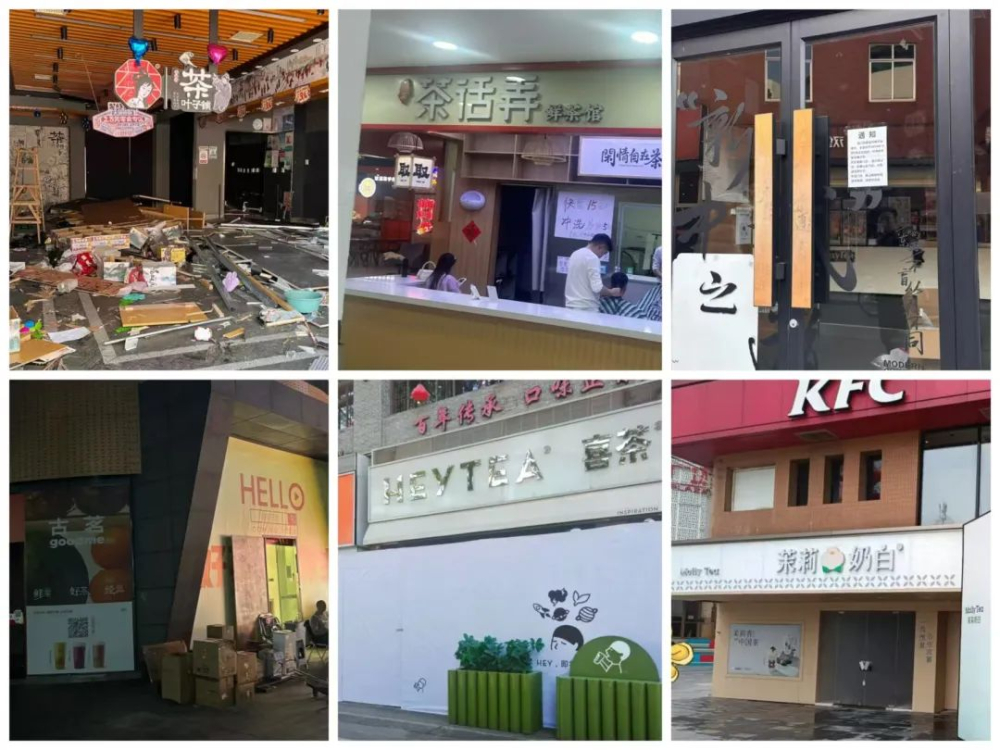
Overall, the tea beverage market is entering a phase of adjustment and elimination. Faced with the dual challenges of changing consumer demands and market saturation, brands that fail to find a differentiated positioning and direction for innovation will struggle to steady themselves in this cold spell. For industry professionals and investors, understanding these market trends and challenges will help in formulating more effective business strategies and investment decisions.
The above content is compiled by CoffeeHunters, a coffee news website.


