







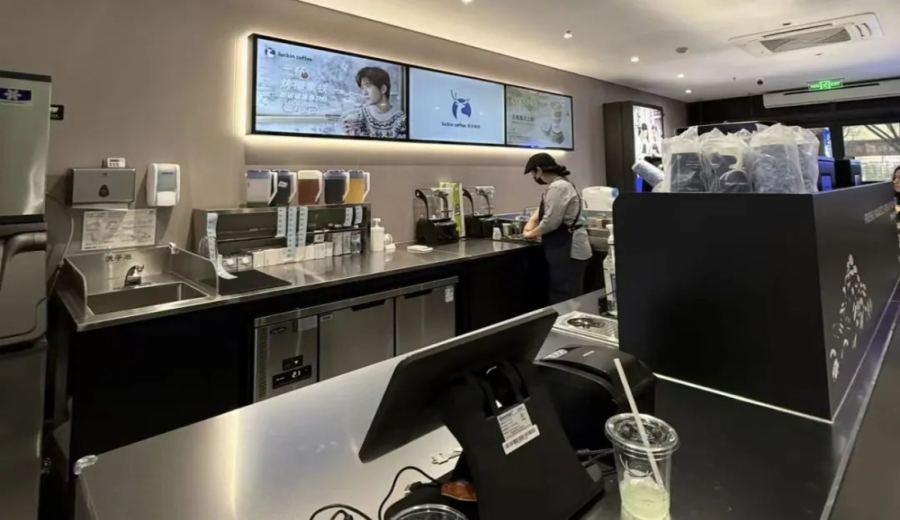
Introduction:Luckin Coffee is known for its high standards in store cleanliness, but its meticulous quality control inspections have also sparked heated discussions among employees. From hidden corners accumulating dust to rusty screws, every tiny detail is included in the scoring, leaving frontline staff feeling overwhelmed. This article delves into Luckin’s hygiene inspection standards, explores the challenges of implementation under real-world interior conditions, and shares practical advice to help readers understand the realities and countermeasures behind coffee shop quality control.
Luckin Coffee has long maintained a high-standard clean image in the eyes of consumers. Many customers say that even if they have differing opinions on taste, they rarely question its hygiene performance. However, this reputation for being “immaculately clean” comes at the cost of strenuous efforts by store employees under intense quality control inspections.
According to multiple current Luckin employees, the brand’s strictness in hygiene inspections far exceeds the conventional standards of typical chain beverage shops. The quality control team not only focuses on the cleanliness of the bar counter surfaces and equipment, but also enforces an almost “zero-tolerance” deduction system for some extremely hard-to-reach areas, such as wall-adjacent piping, the tops of ceiling lights, and details of the drain sieve.
Some employees have pointed out on social platforms that during a routine inspection, a store was deducted points simply because a thin layer of dust had accumulated on a wall-attached ventilation pipe behind a cabinet. Seemingly trivial flaws can, in the eyes of quality control, affect the overall hygiene score. Even more, issues such as rusted screws on hand towel dispensers, frayed apron edges, or dust accumulation in the gaps behind TVs have all become grounds for deductions.
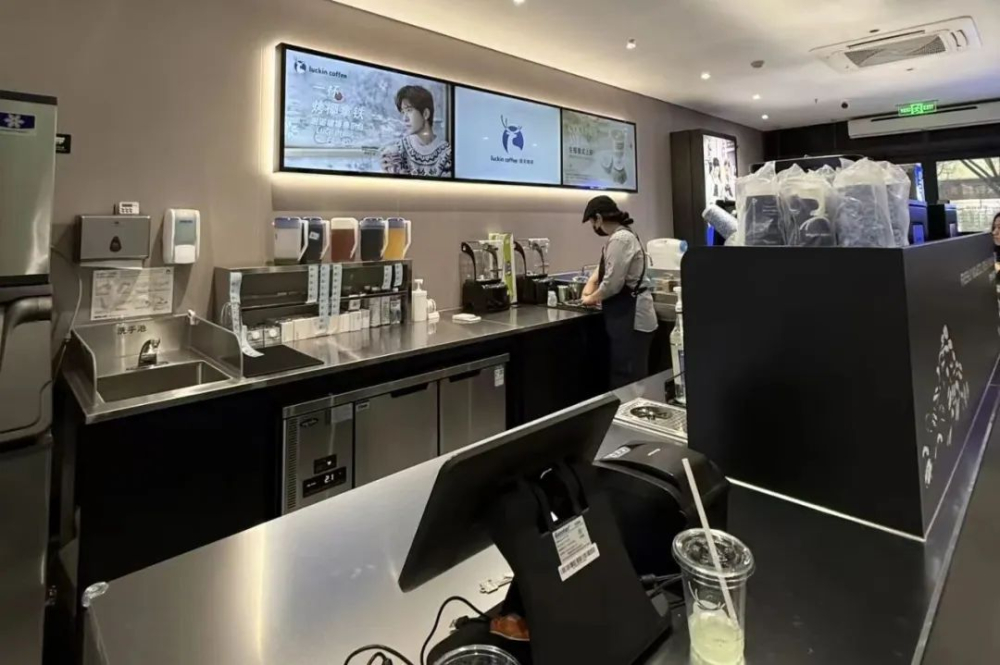
The inspection scope also includes some details not directly related to beverage preparation, such as mismatched certificate addresses and store information, dust on the surface of newly stocked products, cleanliness of cup holders, and lint shedding from cloths—all of which are included in the scoring. Employees joke that quality control inspectors even use bright flashlights to check the bottoms of milk tanks, the backs of refrigerators, and bar counter ceiling lights, leaving no potential dirt-hiding corner unchecked.
However, such high standards face practical limitations due to store interior conditions. Most Luckin stores do not have bar counter areas that are completely sealed off from the outside with glass barriers. When the store is open, external dust, customer hair, and other pollutants can easily enter the operational area with air flow. Without effective air filtration or physical barriers, maintaining a “surgical-room-level” cleanliness standard over the long term indeed puts tremendous pressure on frontline staff.
Employees at stores located on busy streets admit that even cleaning around the bar counter once an hour still doesn’t prevent airborne particles brought in by opening doors and windows. Some hard-to-clean interior corners, such as above ceiling lights or in high gaps, are extremely difficult to clean in practice, yet they are still included as inspection items, leaving staff feeling helpless.
Faced with such intense inspection standards, many employees express understanding of the brand’s emphasis on food safety, but also hope that quality control criteria can be more aligned with practical conditions, avoiding overly harsh scrutiny of non-critical areas. Some employees even bluntly state: “If you don’t provide a dust-free environment but demand a sterile level, it’s really hard to be fair.”
Industry experts point out that the purpose of inspections in chain coffee brands’ stores is to ensure consistency in food hygiene and brand image. However, when setting detailed standards, more consideration should be given to the limitations of actual operating environments, and reasonable flexibility and support should be provided to frontline staff. Only by striking a balance between ideals and reality can overall service quality and employee satisfaction truly be improved.
In summary, although Luckin’s hygiene inspections have built a good reputation among consumers, there is still room for improvement in implementation. How to adjust the standards in the future to better align with store realities and staffing conditions will be an important issue for the brand’s continuous improvement.

The above content is compiled by CoffeeHunters, a coffee news website.


