







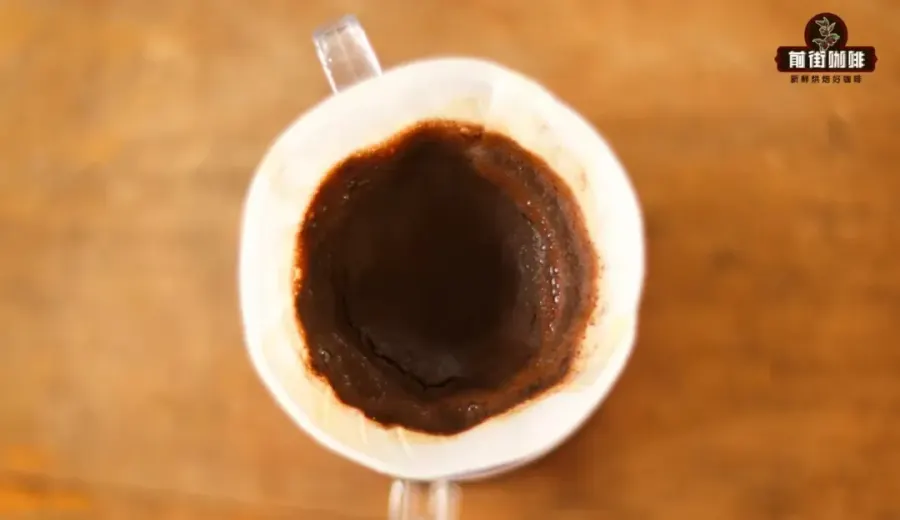
Introduction:When your pour over coffee results in a muddy coffee bed, it often means the grind size is too fine, potentially leading to over-extraction. When faced with the dilemma of being unable to adjust pre-ground coffee, this article introduces an innovative method of high-concentration, low-extraction brewing—slurry flow extraction. By using an extremely fine grind combined with precise stirring to efficiently extract flavor compounds in a short time and then diluting, not only can overly fine coffee grinds be salvaged, but a rich and balanced cup can also be achieved. Mastering this technique allows you to easily handle various grind conditions.
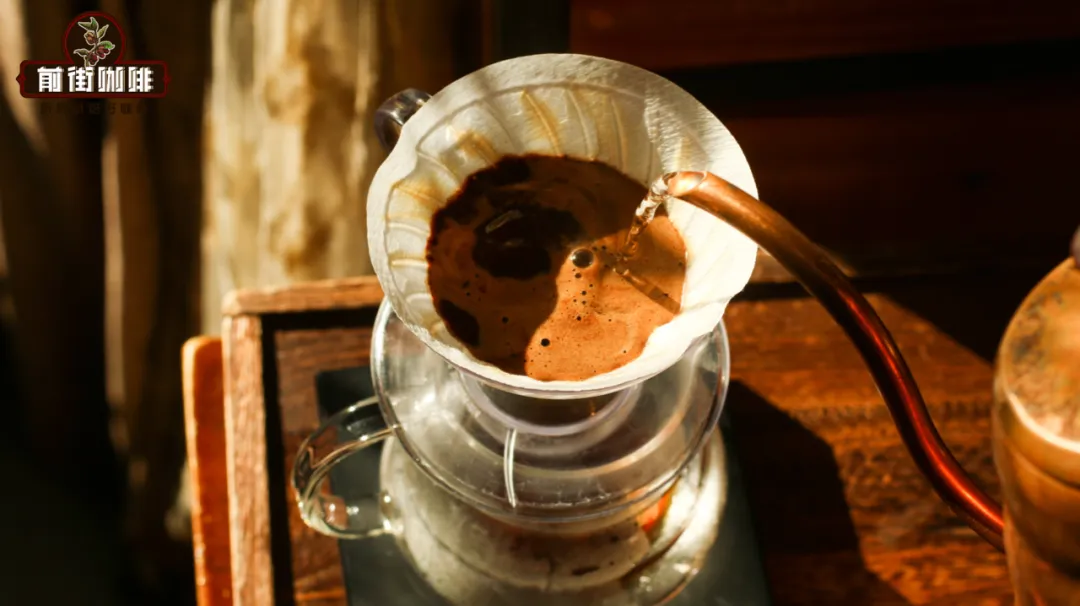
Many coffee enthusiasts have encountered this situation during pour over brewing: instead of forming a clear, granular bed of coffee grounds in the filter, the coffee turns into a sticky, wet, and sludgy "mud." This usually happens because the coffee is ground too finely or the grinder produces too many fine particles. The industry often uses this as a teaching example to remind everyone of the impact of grind size on extraction.
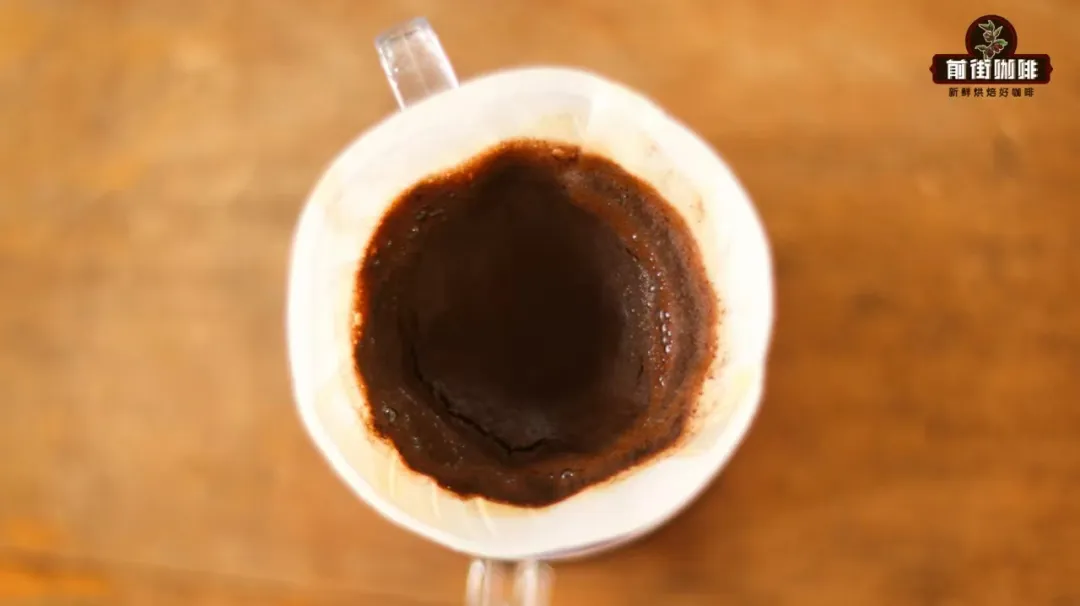
This passively formed "slurry coffee bed" often indicates that the coffee may be over-extracted. Excessively fine coffee grounds extend the brewing time, causing the extraction rate to exceed the ideal range, which is one of the reasons why many people often perceive bitterness or over-extraction when tasting their own pour over coffee.
If you’re using coffee you ground yourself, the problem is relatively easy to solve—just adjust the grind coarseness next time. But what if you’re using pre-ground coffee that’s already too fine, causing abnormally slow water flow? Should you just give up on that bag of beans? The answer is, of course, no.
When conventional pour over methods can’t handle overly fine coffee, we can try different brewing strategies. For this issue, there are mainly two solutions: the first is to switch to immersion brewing tools, such as a French press or a clever dripper, which have higher tolerance and can effectively control the extraction rate; the second is the high-concentration, low-extraction technique that this article focuses on—slurry flow extraction.
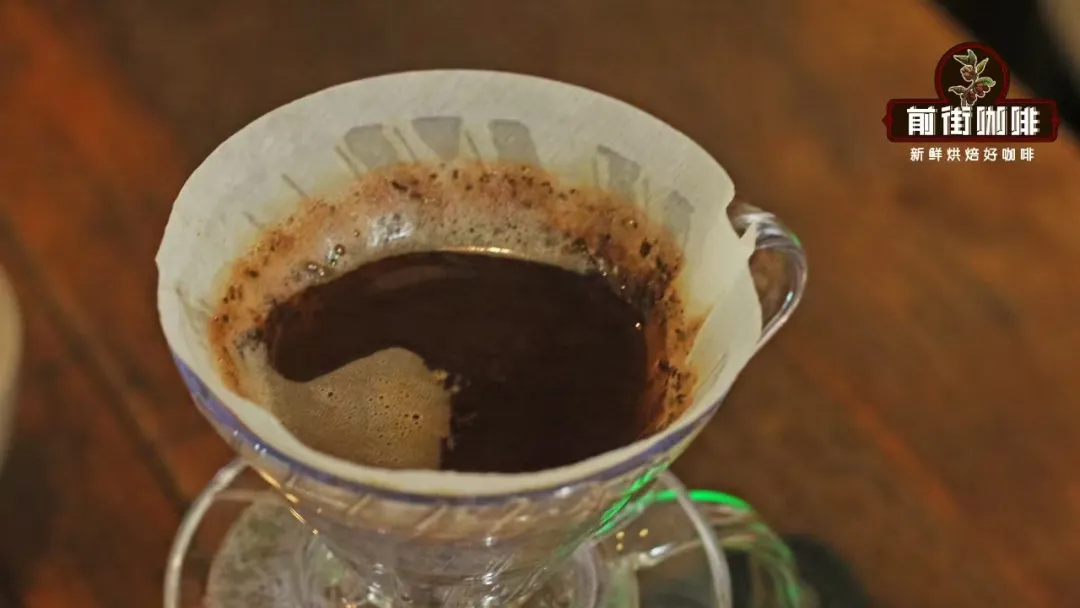
To understand the principle of slurry flow extraction, you first need to grasp the core of the Golden Cup extraction theory: an ideal cup of coffee typically has an extraction rate between 18% and 22%. Within this range, the extraction balances the extraction of flavor compounds—neither too light nor too bitter.
When coffee is ground too finely, the gaps between particles become smaller, increasing resistance to hot water penetration. Although it might seem like extraction should slow down, the compacted coffee bed actually hinders water flow, thus prolonging extraction time. At the same time, lower water temperature affects the solubility of flavor compounds, further influencing the final flavor.
In the face of such extreme conditions, traditional parameter adjustments are often limited in effectiveness. In this case, adopting a high-concentration, low-extraction approach is more effective—extracting most of the flavor compounds with a smaller amount of water, then adjusting the concentration through later dilution. The key lies in how to fully extract the essence from the coffee grounds with a small amount of hot water.

Slurry flow extraction is developed based on this concept. This method involves grinding the coffee to an extremely fine consistency close to flour, combined with precise stirring techniques, to efficiently extract flavor compounds in a short time. Finally, hot water is added to adjust the concentration, resulting in a pour over coffee with balanced extraction and rich flavor.
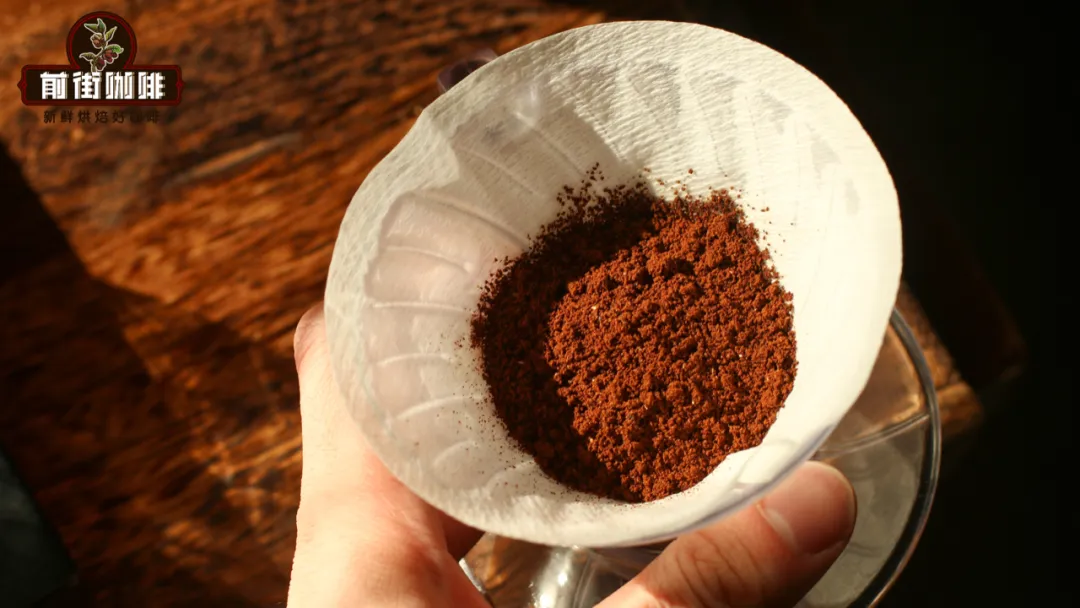
To illustrate the process specifically, we’ll use Papua New Guinea·Bird of Paradise coffee beans as an example to demonstrate the complete steps of slurry flow extraction. Preparation includes: 15 grams of coffee grounds (ground to an espresso-level fine consistency), a V60 filter (preferably one with a faster flow rate), a stirring tool (such as chopsticks or a dedicated stirring spoon), and an appropriate amount of hot water.
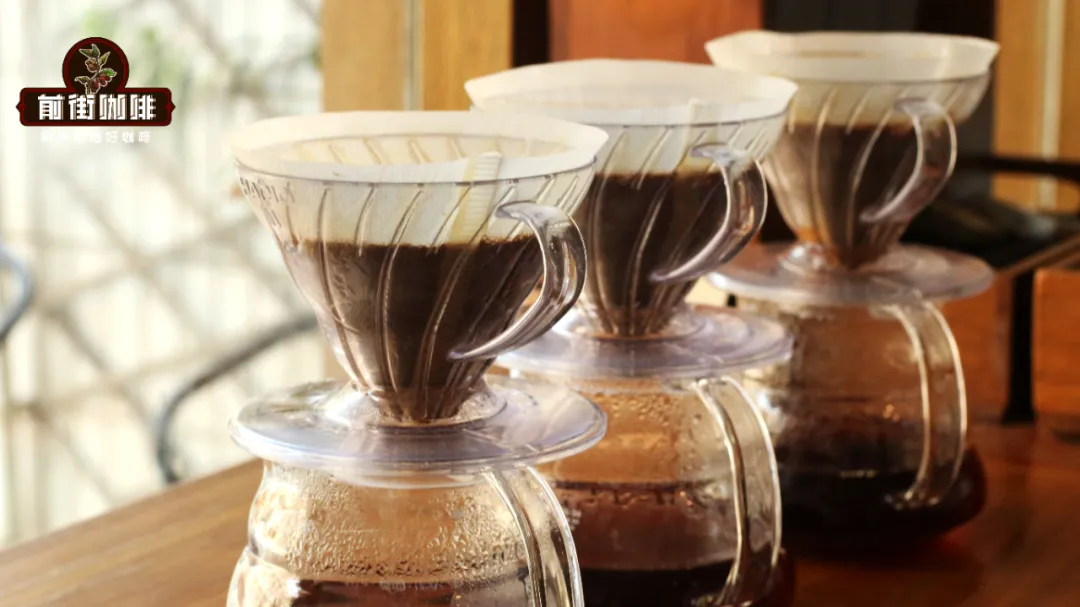
The specific parameters are set as follows: a 1:10 coffee-to-water ratio (i.e., 15 grams of coffee grounds to 150 milliliters of hot water), with water temperature controlled around 88°C. The total water volume is divided into two phases: the first 30 milliliters for blooming, and the remaining 120 milliliters for the main extraction phase.
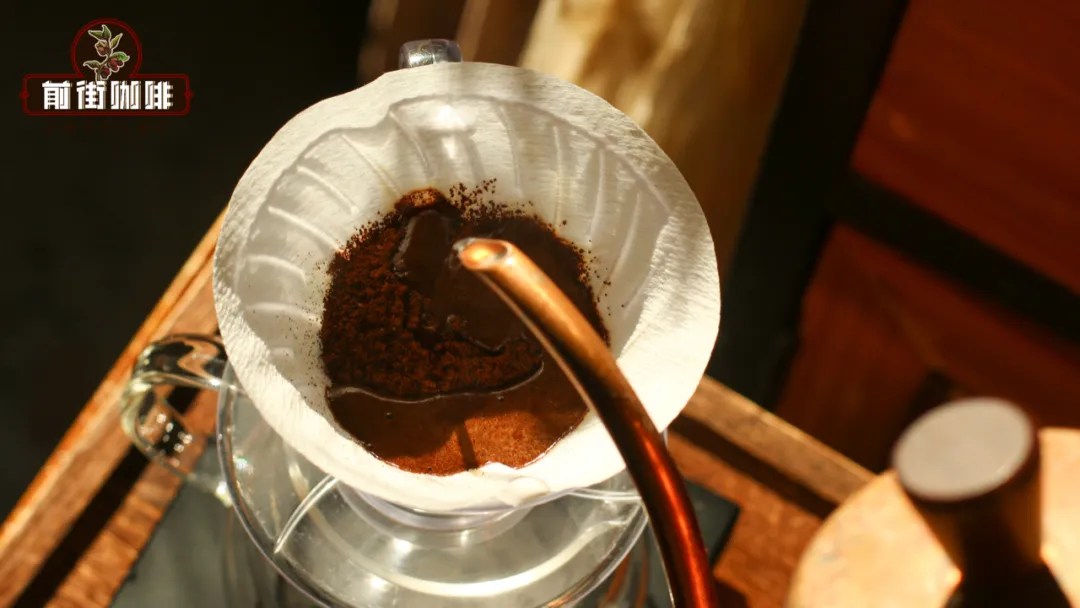
Before starting the extraction, it’s recommended to gently poke a small hole in the center of the coffee bed with a stirring tool. This helps the subsequent hot water penetrate more effectively. Then, pour 30 milliliters of hot water for a 30-second bloom. This step is crucial for activating the coffee’s aroma. Special reminder: due to the extremely fine grind, the hot water may struggle to naturally penetrate all the coffee particles.
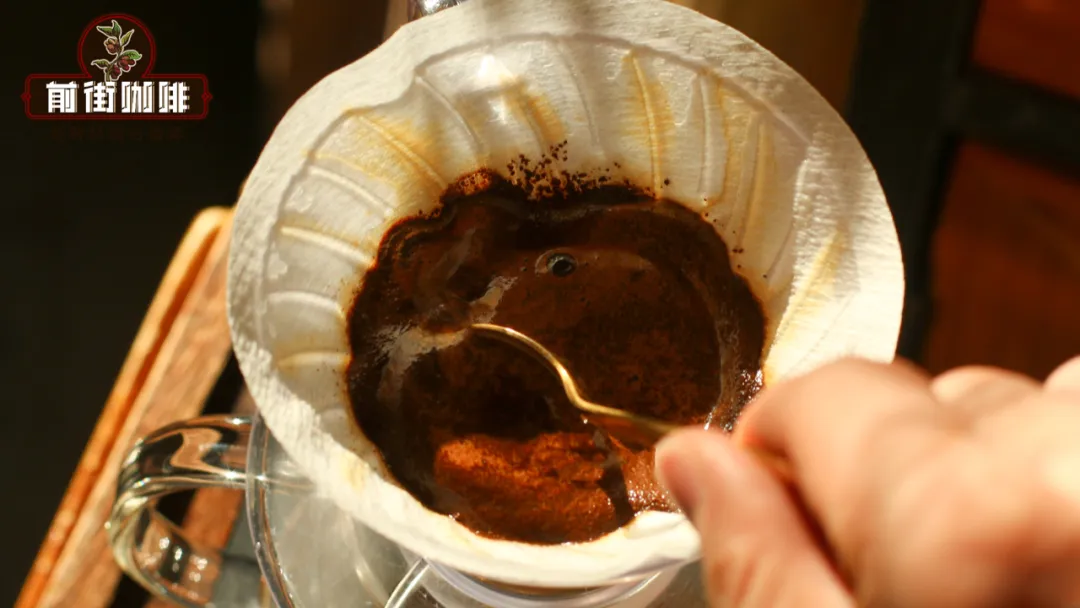
After blooming, immediately use the stirring tool to thoroughly stir the coffee bed. This is the key to slurry flow extraction—mechanically breaking the compact structure of the coffee bed to ensure the hot water evenly contacts every coffee particle, thereby achieving efficient extraction.
After stirring, pour the remaining 120 milliliters of hot water all at once and continue stirring. Stop stirring when the water level drops to about half the height of the filter, then let the coffee drip naturally. The entire process requires close observation of the extraction state to ensure a stable flow rate.

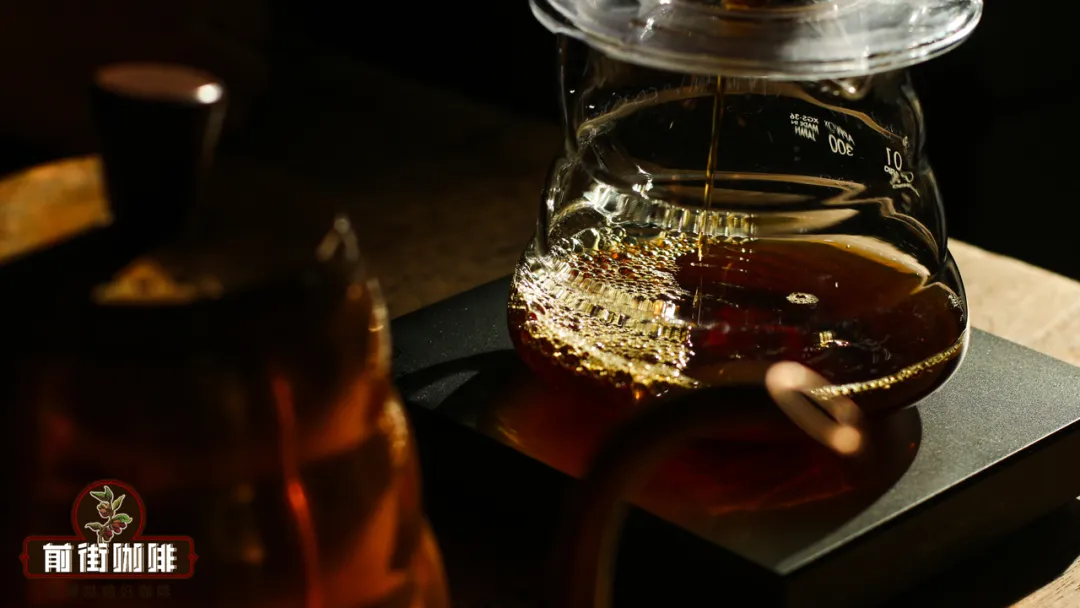
Once the coffee has completely dripped through, remove the filter and add about 70 milliliters of hot water to the server for dilution. This dilution step effectively adjusts the overall concentration of the coffee, making the final flavor more balanced.
According to practical testing, coffee brewed with this method achieves an extraction rate of approximately 21%, right within the ideal Golden Cup range. The resulting coffee has a balanced flavor, with sweet, sour, and bitter notes harmoniously unified, and a full-bodied, mellow mouthfeel—it’s hard to believe it was made with an extremely fine grind.
Throughout the operation, several key details require special attention: First, the stirring strength and frequency should be moderate—ensuring thorough mixing without overly disturbing the structure of the coffee bed; Second, maintain a stable pouring speed to avoid localized over-extraction; Lastly, the temperature of the dilution water should be similar to the brewing water temperature to maintain flavor consistency.
For coffee beans of different origins and roast levels, you can appropriately adjust the basic parameters. For example, light roast beans can maintain a water temperature of 88–90°C, while medium to dark roast beans are better brewed at 85–87°C for improved flavor balance. The coffee-to-water ratio can also be fine-tuned according to personal taste preferences, with 1:10 to 1:12 both being acceptable ranges.

Although slurry flow extraction originated as a solution for overly fine grinds, practice has shown that this method works particularly well for certain specialty coffee beans with specific flavor profiles. Especially those beans that highlight fruity or floral characteristics—this high-intensity extraction method often brings out more vivid flavor features.
It’s worth noting that this extraction method has certain equipment requirements. It’s recommended to use a V60 filter with a fast flow rate, such as the size 02 ceramic or metal version. The choice of filter paper is also important—thicker, professional-grade filter paper is suggested to achieve a cleaner taste profile.
For beginners, mastering slurry flow extraction requires some practice. It’s recommended to start with standard pour over parameters to get familiar, then gradually experiment with grind size and stirring intensity. Record the parameters and flavor results of each attempt to build a personal extraction database—this will help you better understand and control this unique brewing technique.
In summary, when facing overly fine coffee grinds, you don’t have to limit yourself to traditional remedies. Slurry flow extraction offers a new approach—using high-concentration extraction paired with precise dilution, it not only solves the problem of over-extraction effectively but also delivers high-quality coffee with rich flavors. Mastering this skill will significantly broaden your ability to handle a variety of coffee beans.

The above content is compiled by CoffeeHunters, a coffee news website.


