







Introduction:For pour over beginners, choosing the right filter is often more important than blindly pursuing pouring techniques. This article delves into the structural differences between flat-bottomed cake filters and the classic V60 cone filters. Starting from the extraction principles, it compares their flavor profiles and ease of use, helping you select the most suitable entry-level tool based on your own situation, and provides beginner-friendly coffee bean pairing suggestions.
Many people who are just starting to explore pour over coffee often face a key question: which filter should they choose when their pouring technique is not yet proficient? In fact, for beginners still figuring out their pouring skills, the choice of filter may be more important than technique practice. Compared to the so-called “jack of all trades” V60 cone filter, the flat-bottomed cake filter has significantly lower requirements for pouring technique and is also more likely to extract the sweet flavors of coffee.
So, why can the cake filter become a beginner-friendly choice? How does its unique flat-bottomed structure influence coffee extraction? Compared to the classic V60 cone filter, what are the respective advantages and disadvantages of the two? This article will take you through these key differences in full, and includes recommended coffee beans suited for use with flat-bottomed filters.
Many beginners who have never tried pour over pouring often wonder: why do most experienced baristas not recommend starting with the V60, known as the “jack of all trades” in the filter world? The answer is simple—the cake filter (also called the flat-bottomed filter) has a lower learning curve and is more likely to showcase the sweet characteristics of coffee.
Next, we’ll take a deeper look at the design features of the cake filter, analyze why it’s less picky about pouring technique, and how it helps beginners extract more balanced flavors with greater ease.
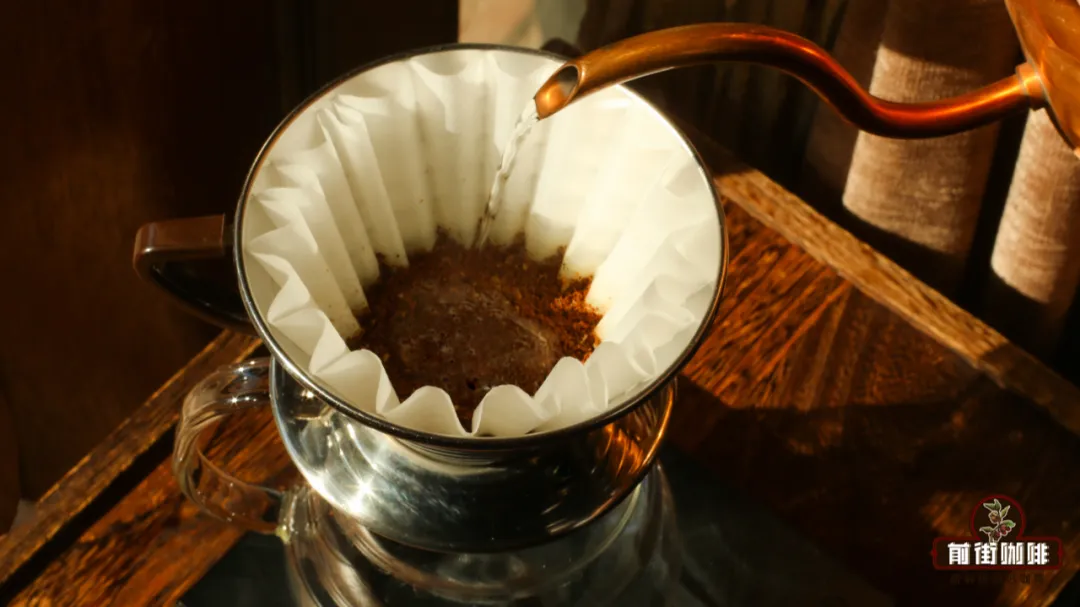
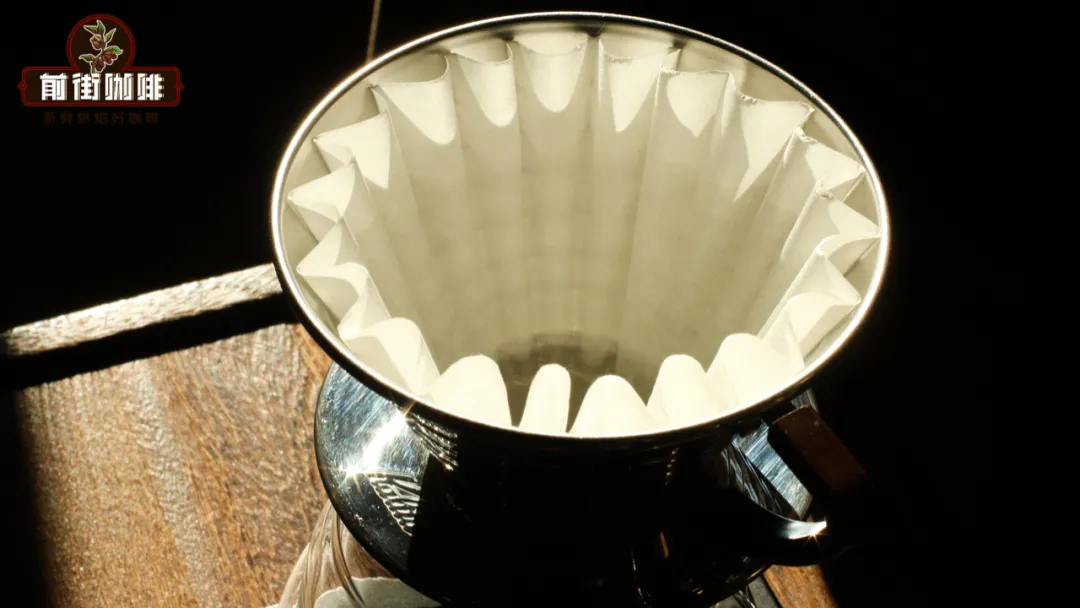
When hearing the term “cake filter,” many people naturally associate it with some visual resemblance to a cake. However, upon closer observation, there is no direct connection between this type of filter and cakes. The origin of this name is actually quite straightforward—because the filter paper used in such filters resembles the round paper liners used for cupcakes, the vivid term “cake filter” gradually became popular over time.
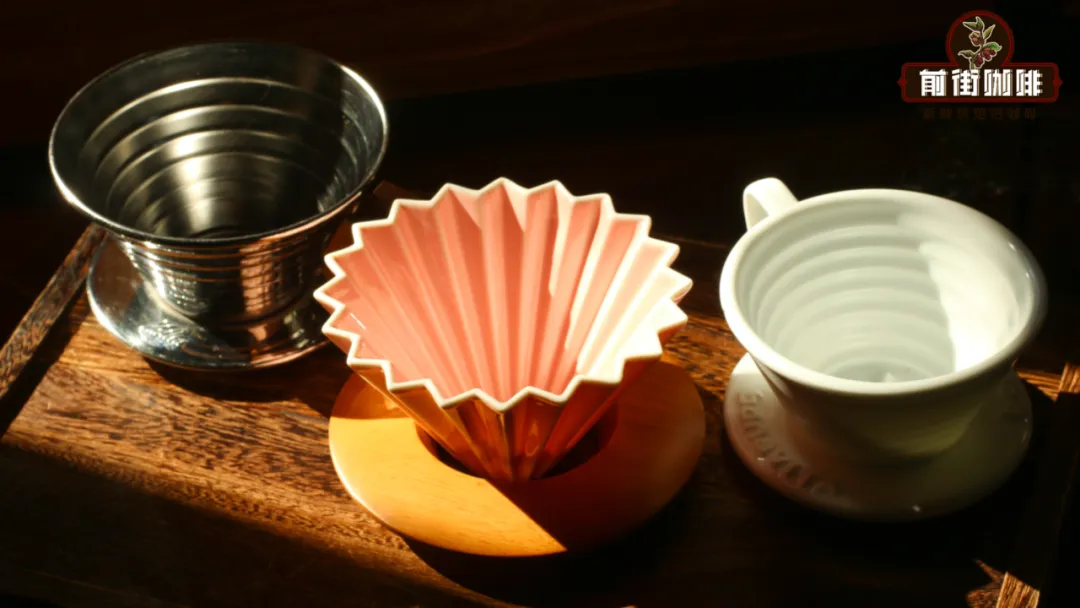
Upon careful inspection, you’ll notice a common feature of these filters: their bottoms are designed with a flat structure (except for folded paper filters), which contrasts sharply with the commonly seen cone or fan-shaped filters. It is this flat-bottomed design that has earned them another more technical name—flat-bottomed filters.
Interestingly, the design of the flat-bottomed filter actually has a long historical background. The world’s earliest filter was designed with this flat-bottomed structure, invented by Melitta Bentz. However, this design did not achieve widespread popularity at the time. It wasn’t until 2010, when the well-known Japanese coffee equipment brand Kalita launched its iconic Kalita Wave filter (meaning wave), that the flat-bottomed filter truly entered the public eye and gained widespread acclaim.
In recent years, in many coffee brewing competitions, we’ve also seen competitors achieve excellent results using flat-bottomed filters, which fully demonstrates that the performance of flat-bottomed filters is by no means inferior to traditional pointed-bottom filters—they have their own unique strengths.
The core advantages of the flat-bottomed filter primarily stem from its unique flat-bottomed design. Unlike cone or fan-shaped filters, which have a sharp conical structure at the bottom, when coffee grounds are added, they naturally form an inverted conical bed that is wider at the top and narrower at the bottom.
This inverted conical bed structure means that each layer of the coffee bed has a significantly different cross-sectional area—from a large surface area at the top gradually narrowing to a small area at the bottom, resulting in a relatively thick overall coffee bed. In such a structure, the position and force of pouring can significantly impact the extraction outcome, because water poured at different positions must pass through layers of varying thickness, causing changes in liquid concentration and penetration force, which in turn leads to uneven extraction efficiency across the coffee grounds.
In contrast, because the bottom of a flat-bottomed filter is flat and has a larger surface area, coffee grounds poured into it will form a bed structure similar to an inverted frustum or cylinder (especially in filters with smaller wall inclinations). In this structure, the cross-sectional areas of each layer of the coffee bed are relatively consistent, meaning the overall bed is thinner and more uniform. Even if the pouring position isn’t perfectly standardized or the water distribution isn’t even, the coffee grounds can still achieve relatively consistent extraction rates.
In other words, when using a flat-bottomed filter, you don’t need to deliberately adjust the range and position of pouring (such as intentionally making large or small circles) as you would with a pointed-bottom filter, which greatly reduces the difficulty of operation. It’s worth noting that most flat-bottomed filters are designed with fewer and smaller drainage holes, resulting in a relatively slower liquid infiltration speed, creating an effect similar to immersion and allowing all coffee grounds more equal opportunities for extraction. While this may not produce the distinct layering effect unique to cone filters, the final brewed coffee tends to have a more balanced flavor with a more pronounced sweetness.
For beginners, it is recommended to start with medium-roasted coffee beans featuring balanced flavor profiles, such as strawberry candy notes, Sidamo varieties, or beans from the Queen Estate region. These beans have gentle bitterness and soft acidity, and when extracted with a flat-bottomed filter, they can perfectly showcase their smooth and rich qualities.
The above content is compiled by CoffeeHunters, a coffee news website.


