








Introduction:Starbucks China has launched new products such as the Belgian Dark Chocolate Latte, attracting chocolate lovers with a combination of 57% authentic Belgian dark chocolate and oat milk. However, the baristas behind the scenes are facing challenges in handling the flavored syrup. This article delves into the flavor profile of the new drinks, the difficulties with the chocolate syrup, and shares practical serving tips and common troubleshooting solutions.
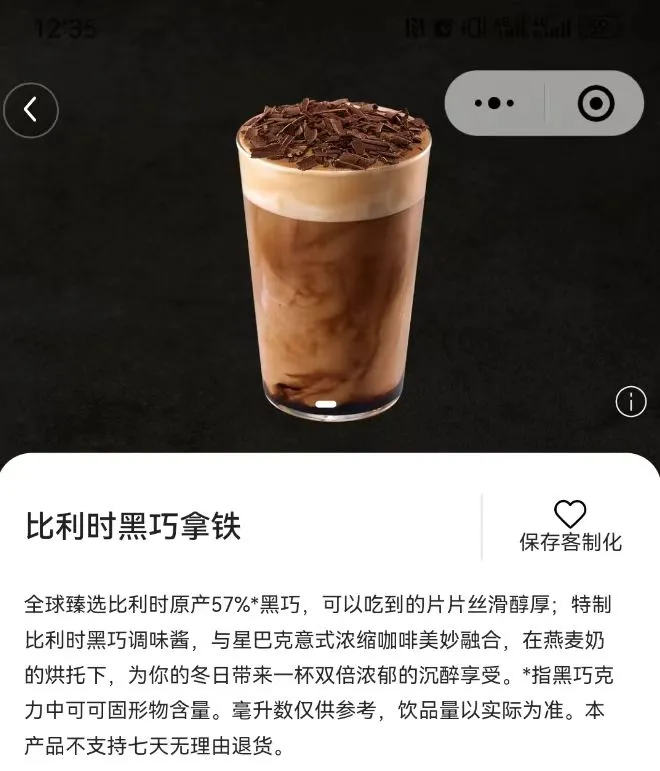
Starbucks China introduced three new beverages for the New Year: the Belgian Dark Chocolate Latte, Belgian Dark Chocolate Black Tea Latte, and Coconut White Chocolate Flavored Latte—all preset with oat milk, with the black tea latte being a coffee-free option. The highlight is the use of 57% authentic Belgian dark chocolate, which, as emphasized in official promotions, offers a uniquely bittersweet flavor that has successfully captured the attention of both chocolate and coffee enthusiasts.
These new products are not Starbucks’ first attempt at incorporating dark chocolate into beverages, but the emphasis on “authentic Belgian origin” and the “oat milk pairing” has reignited discussions. Especially the dark chocolate latte, which has become a hot topic on social media, attracting a wave of so-called “chocolate brains” to try it out, with related reviews and check-in posts flooding in.
However, as these new products gained popularity, baristas tasked with making them took to social media to complain that the new chocolate-flavored syrup is excessively thick—especially in winter, when it tends to clump and harden, creating significant operational difficulties. Unlike traditional syrup pumps, this syrup comes in a dedicated white bucket and is dispensed using a metal squeeze pump, with a fixed output of 7.5ml per press, requiring the appropriate number of presses based on cup size.

According to feedback from multiple baristas, the viscosity of this new chocolate syrup is noticeably higher than previous versions, and in the colder temperatures of winter, it often clumps or hardens, making the already forceful metal squeeze pump even harder to operate. Some female baristas have even mentioned needing to stand on their toes or use their body weight just to press it down. During continuous service, it feels like “doing weight training at the gym”—not only physically exhausting but also risking hand strain from improper force, with some even worrying about long-term risks like tendonitis.
Adding to the baristas’ frustration is the fact that the metal pump often causes the syrup to ooze out in sticky strands from the piston opening after use, easily dirtying the counter surface and potentially staining clothes—especially white uniforms or aprons, which are difficult to clean. Even with repeated wiping using cloths and paper towels, stains often remain, increasing post-shift cleaning time and workload.
Beyond operational challenges and cleaning issues, baristas also mentioned that at the end of each day, they need to spend extra time disassembling and cleaning these dark chocolate syrup buckets—a process more cumbersome than the syrup systems used previously. As a result, many baristas have expressed on social platforms that they “really hate” the design of this syrup, believing it negatively impacts work efficiency and adds to workplace stress.
Although the Belgian Dark Chocolate series is currently launched as a limited seasonal offering, industry “rumors” suggest that Starbucks plans to make it a permanent menu item. This news has left many baristas feeling even more hopeless, as they believe that facing such operational challenges long-term would significantly affect their work experience.
For consumers, the flavor performance of these new drinks remains highly anticipated—especially the rich intensity of 57% Belgian dark chocolate paired with the smoothness of oat milk, creating a layered and balanced taste. But for those wanting to better understand the production challenges behind these drinks or to recreate similar flavors at home, professional advice can be helpful: choose the right ratio of chocolate to oat milk and pay attention to temperature control during preparation to avoid clumping or flavor imbalances.
In summary, while Starbucks’ Belgian Dark Chocolate series has received positive market feedback, the production challenges behind it remind us that beverage innovation isn’t just about flavor and ingredients—the actual operation and equipment design are equally crucial. If this series does become a permanent offering, we hope the brand will further optimize the packaging and pump design of the syrup to provide a more user-friendly experience for frontline baristas.
The above content is compiled by CoffeeHunters, a coffee news website.


