







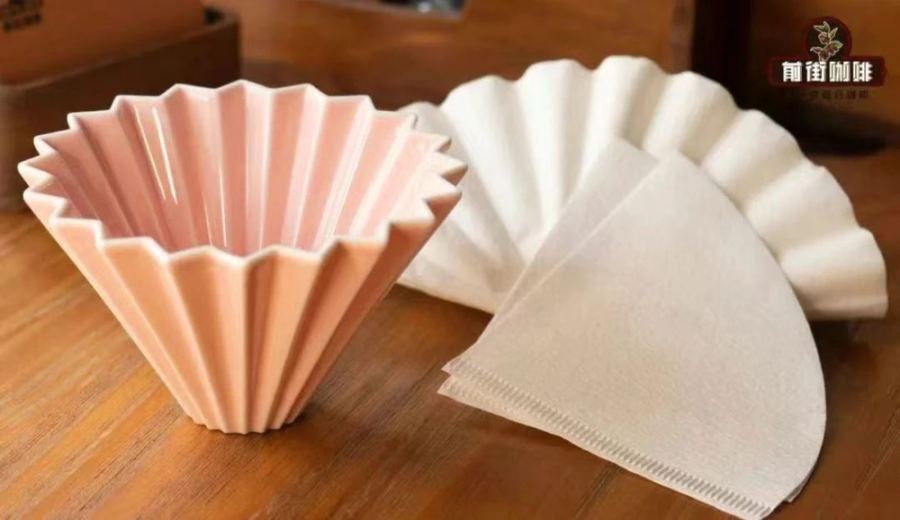
Introduction:Filter paper is commonly seen in pour over brewing, but it actually plays a key role in various extraction methods such as cold brew, ice drip, moka pot, and espresso. This article delves into the practical applications of filter paper across different coffee brewing techniques—including why cold brew may require double filtration, the layered configuration of filter paper in ice drip, the impact of adding filter paper at the bottom of an espresso portafilter, as well as recommendations for filter paper selection in moka pots—to help readers choose the right filtering material based on their brewing needs.
Is filter paper only for pour over coffee? The answer, of course, is no. Whether it's cold brew, ice drip, moka pot, or traditional espresso, filter paper actually plays a non-negligible role. It's just that in different brewing methods, the filtering responsibility and effectiveness of the filter paper vary slightly. This article will take a practical approach to gradually break down the application logic of filter paper in various brewing methods, and explain common operational misconceptions and practical details. Whether you're just starting out or already have some experience, you can gain useful operational references from this.
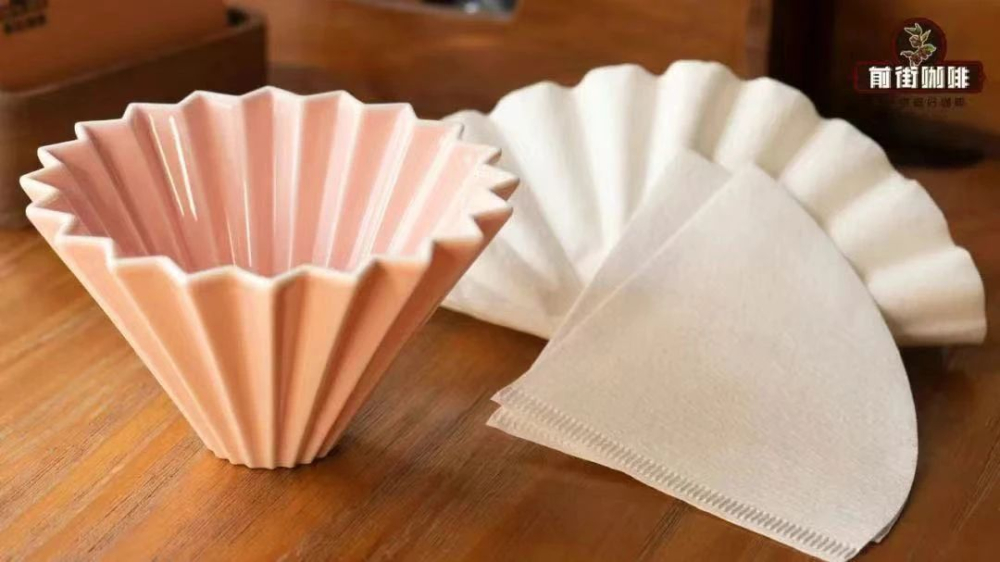
Many people think of filter paper as merely a supporting player in pour over brewing, but once you understand it more deeply, you'll find that it can also deliver significant benefits in cold brew, ice drip, and even moka pots. Especially when you're dealing with issues like incomplete coffee grounds filtration, rough mouthfeel, or excessive oils, the choice and use of filter paper often become the key to improving flavor clarity and cleanliness. This article will start with cold brew and explore the multiple uses of filter paper one by one.

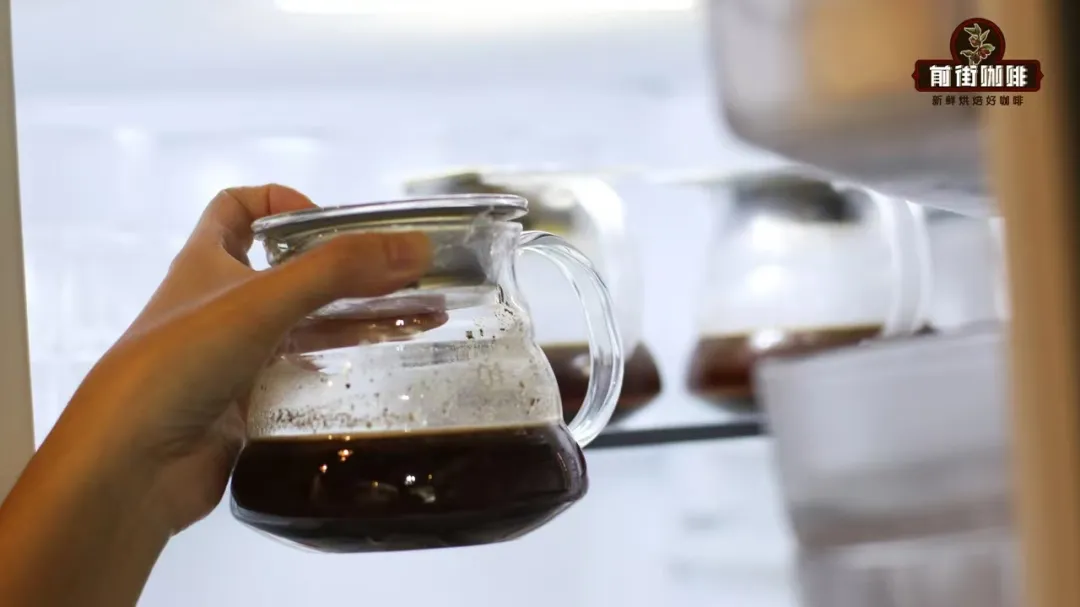
First, let’s talk about cold brew coffee. Although pour over is the method most commonly associated with filter paper, cold brew actually relies on it to a greater extent. Cold brew typically involves mixing coarsely ground coffee with room temperature or cold water, then letting it steep in the refrigerator for 12 to 24 hours. Because of the long steeping time, the coffee grounds release a wealth of substances, but they also release a large number of fine coffee particles. If these fines are not properly filtered, they can directly affect the taste, causing sedimentation and a rough mouthfeel.
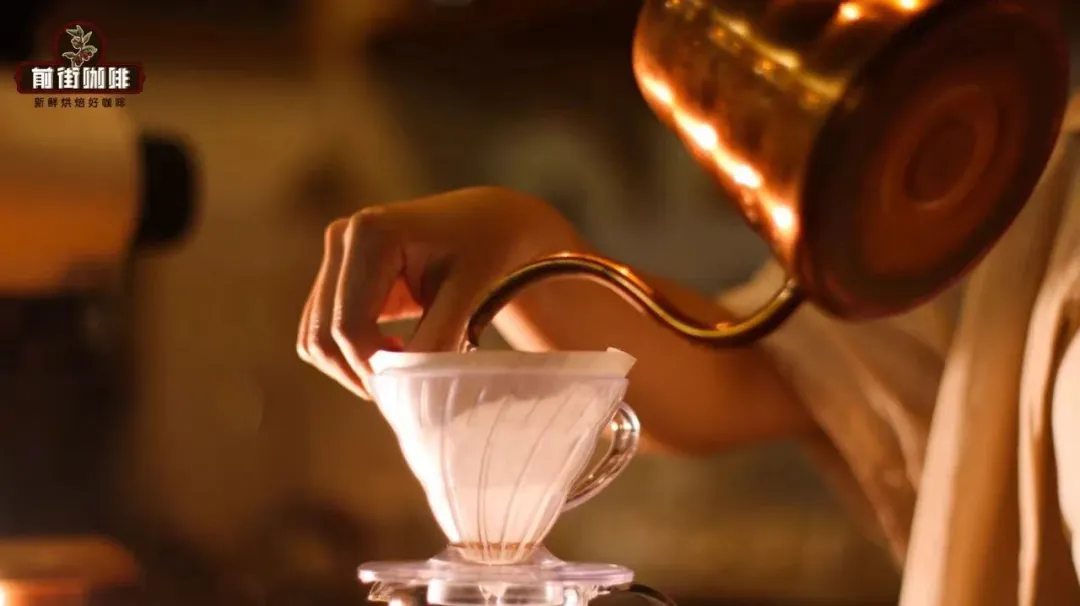
Many people use commercially available cold brew bottles, which come with built-in filters that can initially catch most of the coffee grounds. However, since these filters need to maintain smooth water flow, their mesh size is usually relatively large and cannot completely block smaller particles. Therefore, it is recommended to use filter paper for a second filtration after the cold brew process is complete, to ensure the coffee liquid is clearer and smoother to drink. This step is especially important for users who are pursuing a delicate taste.
Now let’s look at ice drip coffee. Ice drip is an extremely slow brewing method that utilizes dripping ice water to slowly penetrate through layers of coffee grounds over a long period of time. In this process, the configuration of filter paper is particularly particular, typically using two round pieces of filter paper: one placed above the coffee bed and one laid at the bottom of the dripper. Although both are filter paper, their functions are quite different.
The filter paper placed above the coffee bed mainly serves to disperse the icy cold droplets, reducing the problem of localized over-extraction or uneven extraction caused by the direct impact of the water column on the coffee bed, and helping the water evenly seep through the entire coffee layer. The filter paper at the bottom of the dripper, on the other hand, acts like a goalkeeper, responsible for intercepting all the extracted coffee grounds to prevent them from entering the final coffee liquid. This dual configuration can significantly improve the clarity and flavor stability of ice drip coffee.
In the case of espresso, the use of filter paper is not as common as in pour over, but it is by no means useless. During the preparation of espresso, filter paper can be placed above the coffee puck, at the bottom of the portafilter, or even installed at the spout—each position yields very different results.
If the filter paper is placed above the coffee puck, it can theoretically help distribute the hot water more evenly and reduce direct contact with the shower screen, but the actual effect is usually not significant. If the filter paper is placed at the bottom of the portafilter, however, it can effectively enhance the cleanliness of the coffee liquid by reducing the amount of fine particles that flow out with the liquid, making the espresso look clearer and taste smoother. It should be noted, though, that adding filter paper at the bottom of the portafilter will alter the flow rate, usually shortening the extraction time, so the grind size must be adjusted accordingly to avoid under-extraction.
Additionally, some users also try installing filter paper at the spout, primarily aiming to filter out coffee oils. This treatment can reduce the fine particle content in the oils, thereby reducing bitterness and improving overall cleanliness, but it also slows down the flow rate and affects the extraction efficiency of the espresso. Therefore, unless necessary, it is not recommended to frequently use this method.
Finally, let’s discuss the moka pot. The moka pot is a commonly used appliance in many homes and offices, belonging to high-pressure brewing, and usually uses medium to dark roasted coffee beans, emphasizing a rich and full-bodied taste. Some readers have asked: “Does the moka pot need to use filter paper?” The answer depends on how you drink it.
If you prefer black coffee, it is recommended to place a piece of filter paper on top of the coffee grounds. This can effectively intercept some of the fine particles, making the taste fresher and cleaner—similar in principle to the use of filter paper in espresso machines. But if you mainly use moka pot coffee to make milk-based drinks, such as lattes or cappuccinos, then it is not recommended to add filter paper. Because a moderate amount of fine particles can increase the richness and layering of the coffee, delivering a more complete flavor profile when paired with milk.
In summary, filter paper plays a role in different coffee brewing methods that goes beyond simply filtering out coffee grounds. It can also fine-tune extraction uniformity, improve flavor clarity, and enhance mouthfeel. Whether you’re a pour over enthusiast or a coffee explorer trying cold brew, ice drip, or a moka pot, you can flexibly use filter paper according to your brewing goals to elevate the quality and enjoyment of each brew.
The above content is compiled by CoffeeHunters, a coffee news website.


