







Introduction:When you're at a coffee shop facing the choice between pour over and espresso brewing methods, have you ever wondered: why do some well-known single-origin beans also come in SOE versions? Can these SOE beans, which were originally intended for espresso, also showcase their unique characteristics when brewed using pour over? This article delves into the definition of SOE, differences in roasting profiles, and optimal extraction parameters to help you grasp the core distinctions between single-origin beans and SOE beans in both pour over and espresso applications, enabling you to choose the right brewing method based on flavor.
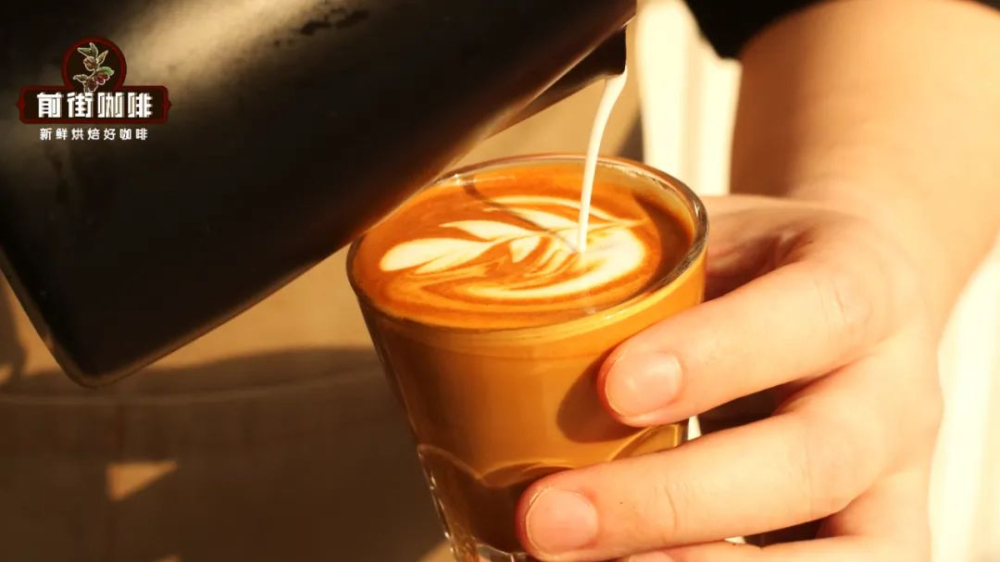
Walking into a coffee shop, we often have to choose between pour over and espresso brewing methods. With pour over options, you can enjoy single-origin beans from different regions, experiencing the unique flavors shaped by the terroir of each area; whereas with espresso, you’re usually selecting from blended drinks like Americano, latte, or cappuccino, and some shops even offer the flexible option to switch to SOE (Single Origin Espresso, single-origin espresso beans).
Nowadays, many well-known beans that were originally popular as single-origin offerings have also started releasing SOE versions suitable for espresso machines, such as the commonly seen Yirgacheffe SOE, Huakui SOE, and Gesha La Golondrina SOE. This has led many coffee enthusiasts to wonder: can these single-origin beans, which were originally marketed for pour over or filter brewing, still be suitable for pour over after being repurposed as SOE? What are the key differences between SOE and regular single-origin pour over beans?
To clarify these questions, we first need to understand the core definition of SOE. Traditionally, to ensure the flavor stability of each cup of espresso and to deliver a balanced, rich taste, most coffee shops opt for medium to dark roasted, oil-rich blends. These blends typically mix beans from two or more different regions, causing regional characteristics to be averaged out and making them hard to distinguish.
SOE, simply put, refers to using single-origin coffee beans specifically for making espresso. The term "single-origin" here means that the batch of beans comes from a clearly defined and independent origin unit—this could be a specific farm, processing facility, village, or even a particular altitude zone. The focus is on highlighting the unique terroir conditions and varietal characteristics of that origin.
For example, many coffee shops offer blended beans that combine, say, Honduran Sherry with Yirgacheffe Natural Red Cherry in a specific ratio, aiming to balance stability with flavor complexity. But if you were to use just the Yirgacheffe Natural Red Cherry and extract it with an espresso machine, you’d get an espresso with distinct regional characteristics—that’s what we call an SOE.
Since SOEs often use single-origin beans, usually of higher grade, their prices are generally slightly higher than regular blends. However, precisely because they focus on a single origin, SOEs can more clearly showcase the flavor features of that region—this is one of the reasons they are increasingly valued in the specialty coffee scene.
So, how different are SOE coffee beans really from the common single-origin pour over beans? In the past, our impression of espresso was often "strong, rich, with smoky and bitter notes"—but this isn’t necessarily a result of the extraction technique itself, but rather the influence of ingredient selection and roasting strategy. In the early days, to control costs and ensure consistency in mass production, espresso beans were typically medium to dark roasted, making it easier to harmonize flavors across beans from different regions, though this also masked many subtle regional traits.
With the rise of the specialty coffee concept, more and more consumers are pursuing coffee experiences that are clear in flavor, bright with fruitiness, and refreshing in mouthfeel. This has prompted some espresso blends to adjust their roasting strategies—for example, to enhance crema performance, some blends incorporate a small amount of Robusta, or are roasted to a medium-dark or medium level to create a rich, chocolatey milk-like taste.
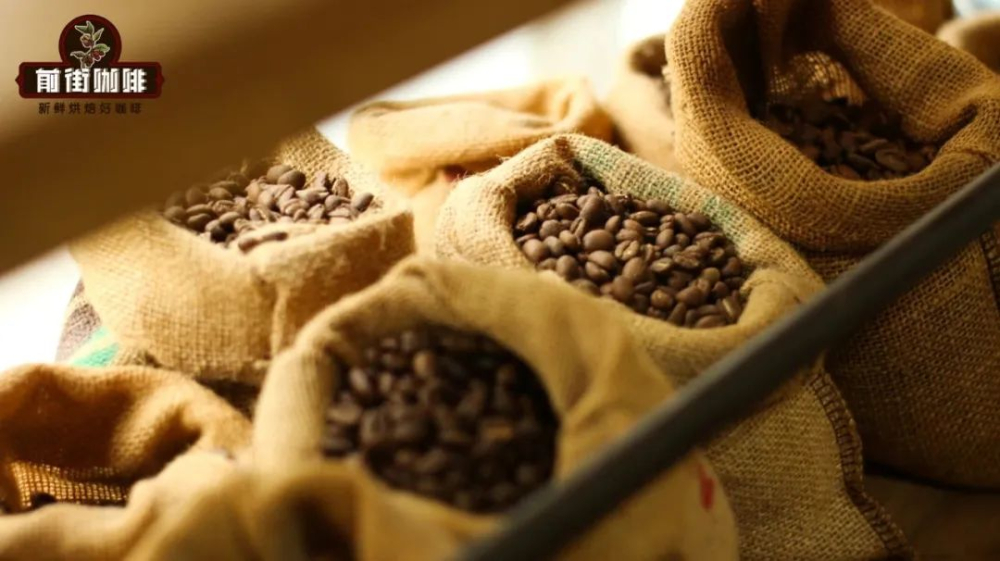
At the same time, markets have also seen a growing trend of "bright acidity" coffees, such as those featuring floral, citrus, berry, or fermented wine-like notes. The emergence of SOE is precisely to highlight the coffee bean's inherent excellent flavor characteristics while preserving regional traits.
Compared to blends, SOEs are better suited for amplifying the unique flavors of a single region or variety—especially when using light roasts, they often present livelier acidity and clearer floral-fruity tones. However, the degree of roasting remains a key factor: if roasted too dark, it can lead to excessive bitterness, masking the delicate regional traits; if too light, it may result in sourness or underdevelopment under high-pressure, high-temperature extraction conditions.
Therefore, many coffee roasters will release different roast profiles for the same bean, tailored for either pour over or espresso (SOE). Generally speaking, single-origin beans suitable for pour over are often light to medium roasted to preserve floral-fruit aromas and tea-like qualities; while SOE beans are typically roasted to medium or medium-dark levels to balance acidity expression with the sweetness and body needed for espresso.
Take the commonly seen Huakui coffee beans, for example—their packaging often indicates two versions: "pour over light-to-medium roast" and "SOE espresso roast." The former is suitable for use with pour over, cold brew, French press, and other non-pressurized extraction methods, while the latter is designed specifically for espresso machines or moka pots and other pressurized tools, better showcasing the layers and richness required in espresso.
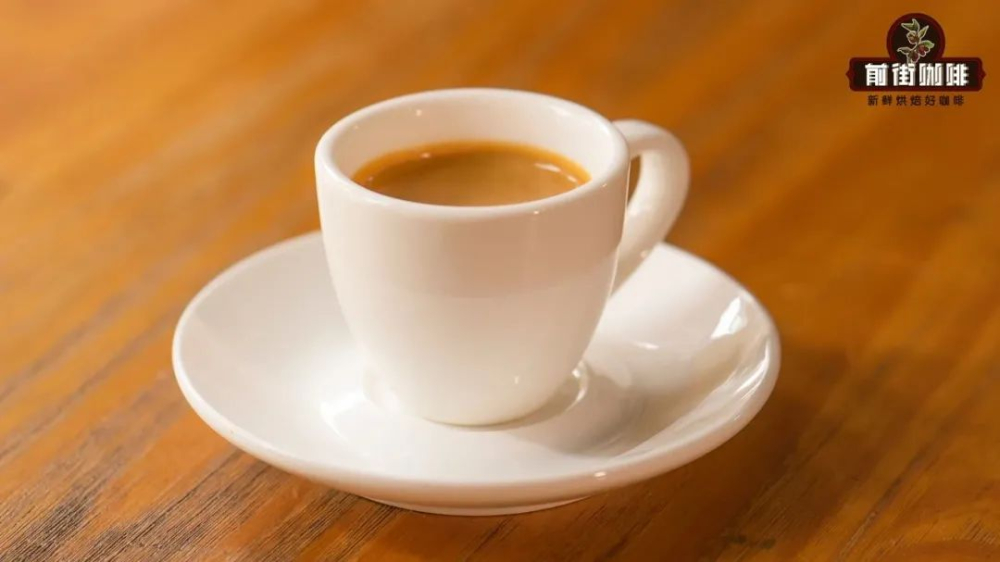
If you only have SOE coffee beans on hand, can they still be used for pour over? The answer is yes, but you’ll need to adjust the extraction parameters according to the roast level. If the flavor description on the bag highlights floral, fruity, tea-like notes, and bright acidity, it usually means the SOE is light to medium roasted—in which case, it’s recommended to use water at about 92–93°C, paired with a fine grind (such as 80% through a #20 sieve, close to the texture of fine sugar), to fully extract the nuanced flavors.
Conversely, if the flavor keywords are mostly dark chocolate, cocoa, spices, hazelnut, caramel, and creamy notes, it’s likely a medium-dark roast—the beans will have a looser structure and are prone to releasing bitter compounds. In this case, it’s recommended to lower the water temperature to below 88°C and use a slightly coarser grind (such as around 70% through a #20 sieve, similar to white sugar), to avoid over-extraction.
If the flavors include a mix of fruity-floral notes, tea-like qualities, and balancing elements like nuts, cookies, or honey, it’s most likely a medium roast. It’s recommended to use water at 89–90°C with a medium grind (about 75% through a #20 sieve), to balance acidity and sweetness with richness, presenting a layered and complex profile.
The above content is compiled by CoffeeHunters, a coffee news website.


