







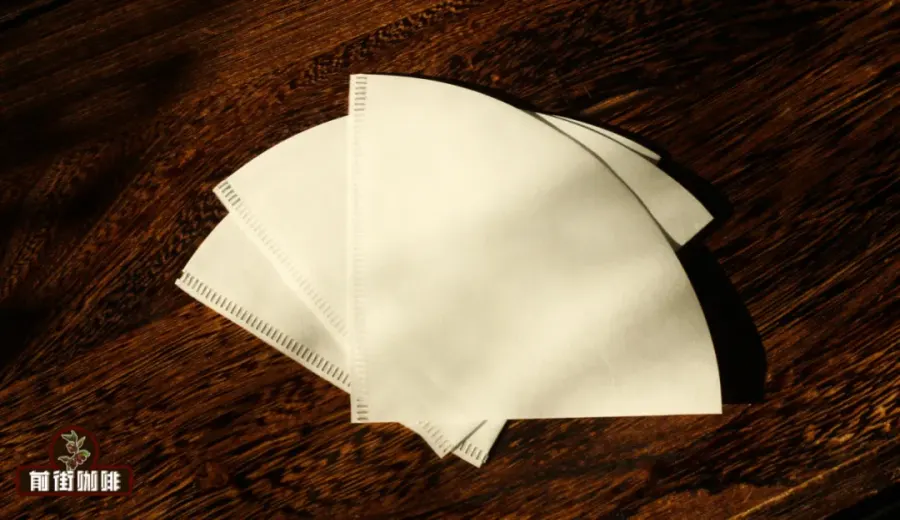
Introduction:Non-woven filter paper plays a key role in pour over coffee, with different materials significantly affecting the taste and flavor profile of the brew. This article delves into the structural differences between conventional non-woven, special non-woven, and paper pulp filters, and through practical tests of filtration using room-temperature water, hot water, and coffee liquid, helps you understand the characteristics of each type of filter. This will assist you in selecting the most suitable filter material based on your needs, thereby improving extraction quality.
In the world of pour over coffee, the choice of filter paper is often overlooked, yet it actually has a non-negligible impact on the final flavor of the coffee. Among them, non-woven filter papers are favored by coffee enthusiasts who enjoy a richer mouthfeel, as they retain more oils and fine particles. However, there is one special product on the market that looks and feels different from regular non-woven filter papers—its texture is closer to that of paper pulp filters, smooth to the touch with a slight velvety feel. This difference piqued the curiosity of a certain coffee brand, prompting them to explore the characteristics of this special filter paper starting from its material and structure, and to compare its performance with conventional paper pulp and general non-woven filters through practical tests using various liquids.
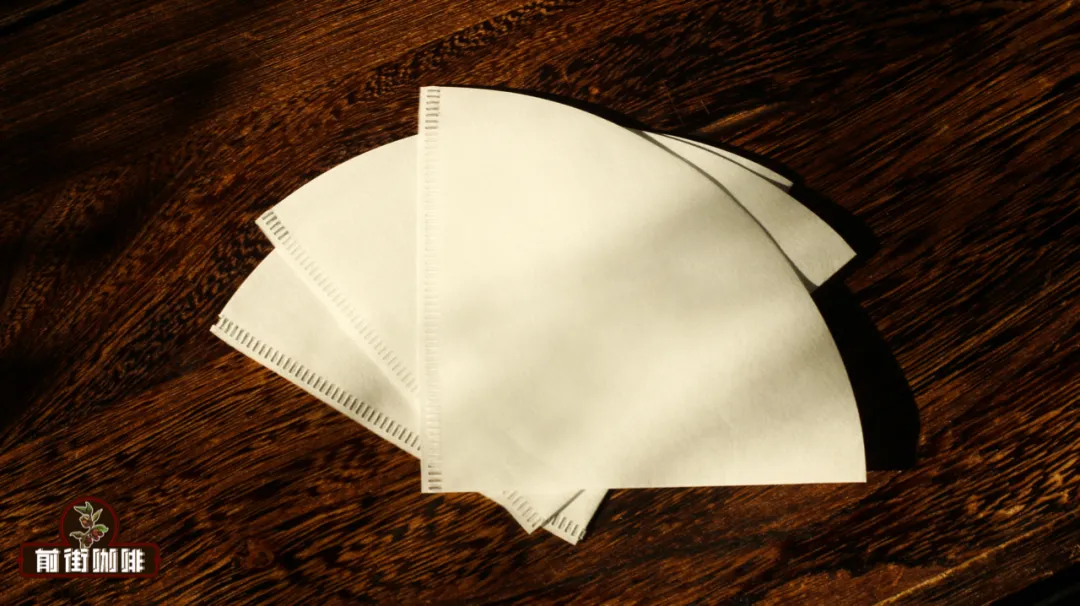
The appearance and texture of this filter paper are noticeably different from the coffee filters we are familiar with at first glance, sparking further interest in research. So what is its “magic”? Let’s start by understanding its basic material.
First of all, the so-called non-woven filter paper, as the name suggests, is a filtering material made through non-woven manufacturing methods, which is completely different from traditional paper that requires spinning and weaving processes. Common non-woven filter papers are mostly formed by thermally pressing special plastic fibers. Since the manufacturing process does not require fiber interweaving, it forms a relatively large pore structure, allowing coffee liquid, oils, and fine particles to pass through together, giving the coffee a fuller and richer mouthfeel. However, because of these wider pores, its surface texture is usually coarser.

In contrast, traditional paper pulp filters are made from plant fibers and have a finer and denser fiber structure, which can effectively filter out the majority of coffee oils and fine particles, resulting in a cleaner and crisper coffee taste. These filters usually feel soft, but their smaller pores slightly sacrifice flavor fullness.
The star of this test—that special non-woven filter paper that looks and feels similar to a paper pulp filter—breaks the stereotype of conventional non-woven filter materials. It appears more refined, feels smooth to the touch, and even has a slight velvety texture, which at first might be mistaken for high-quality paper pulp filter paper.
To verify the actual performance of this special filter paper, a certain coffee brand conducted a series of filtration tests using room-temperature water, hot water, and concentrated coffee liquid. During the process, different filters were placed in standard filter cones, and the aforementioned liquids were poured in sequentially, observing differences in flow rate, filtration effectiveness, and residual substances.
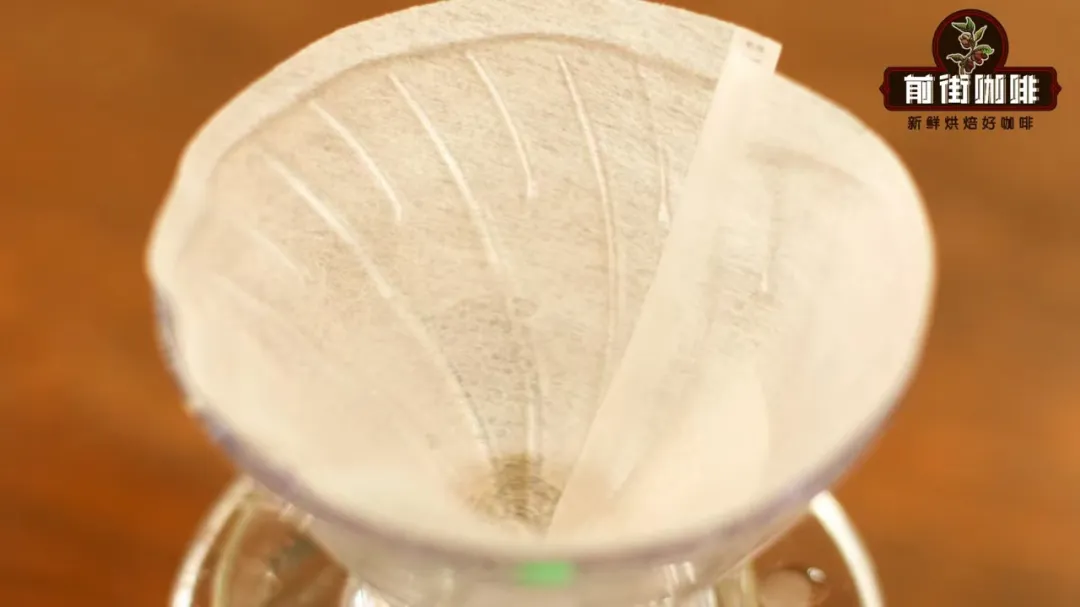
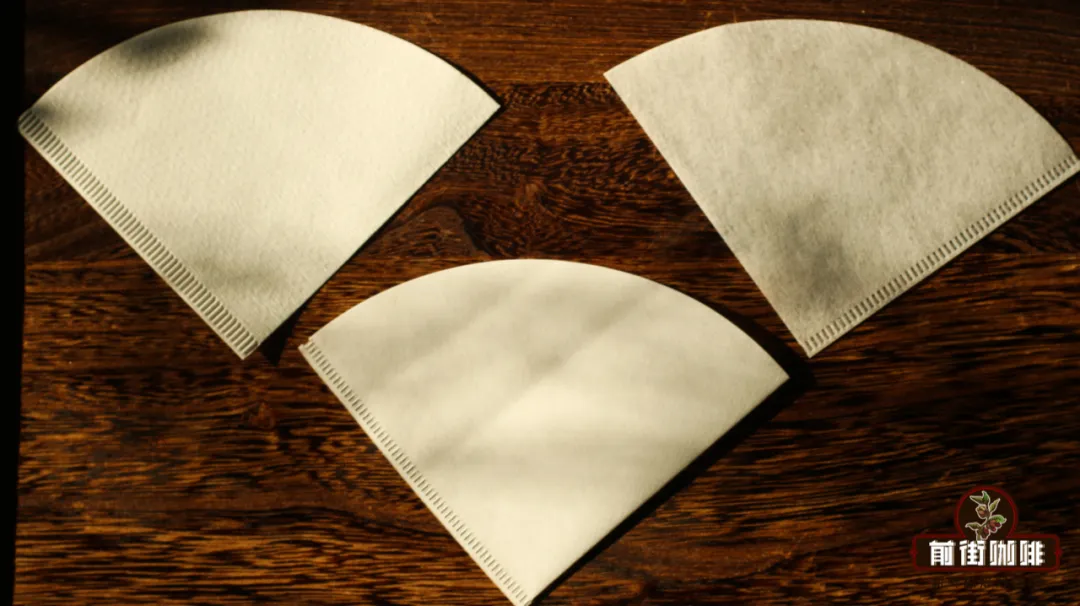
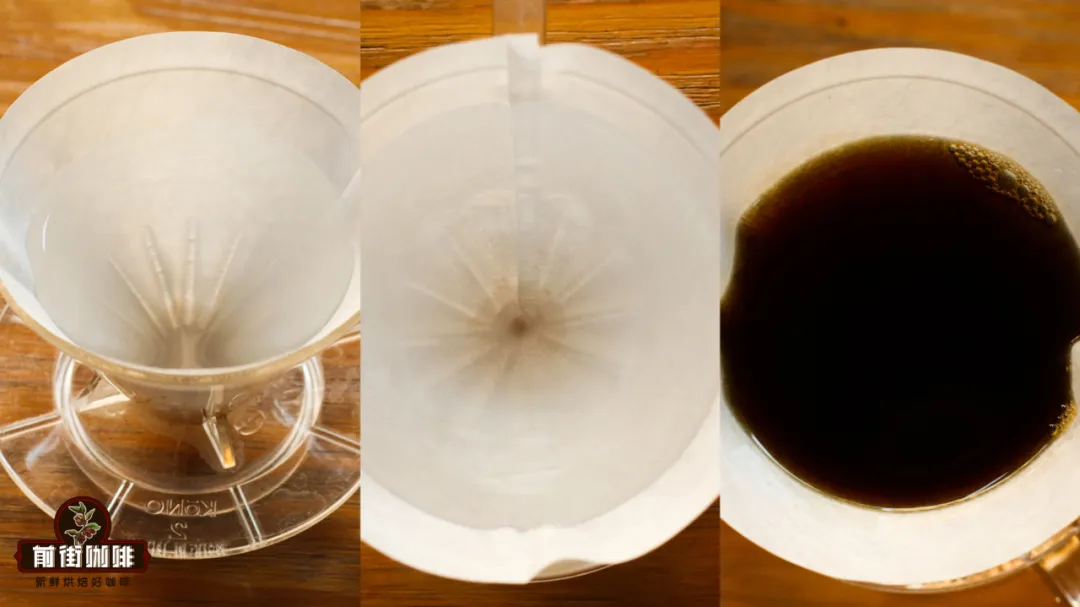
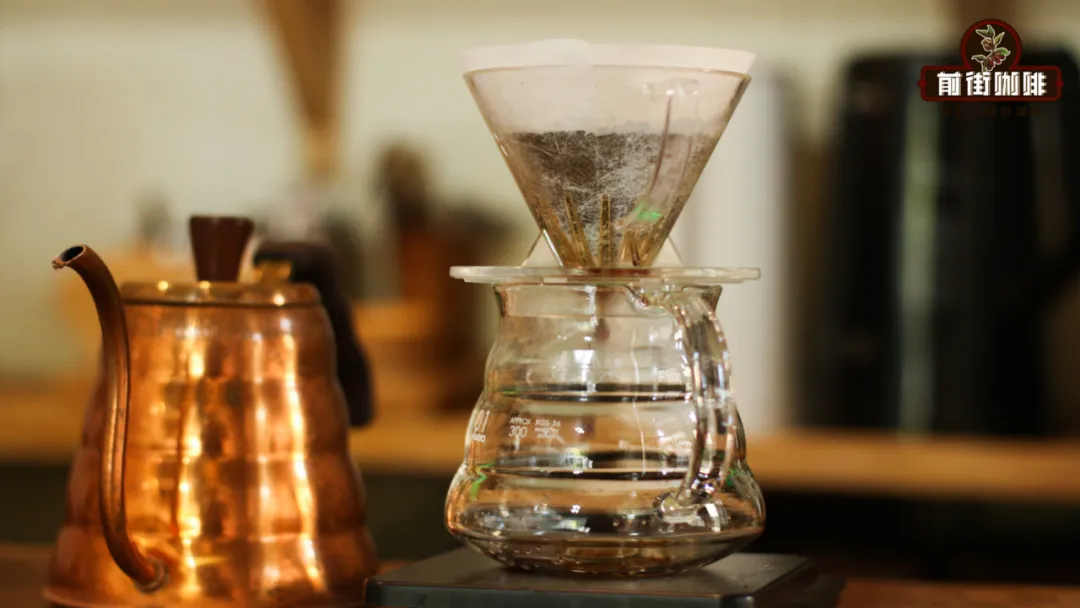
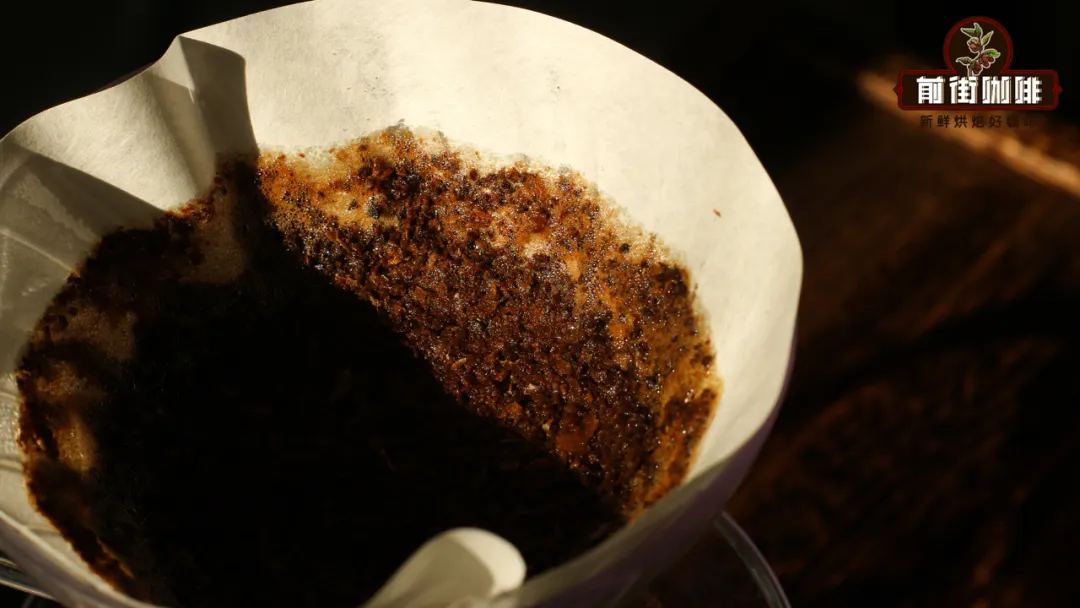
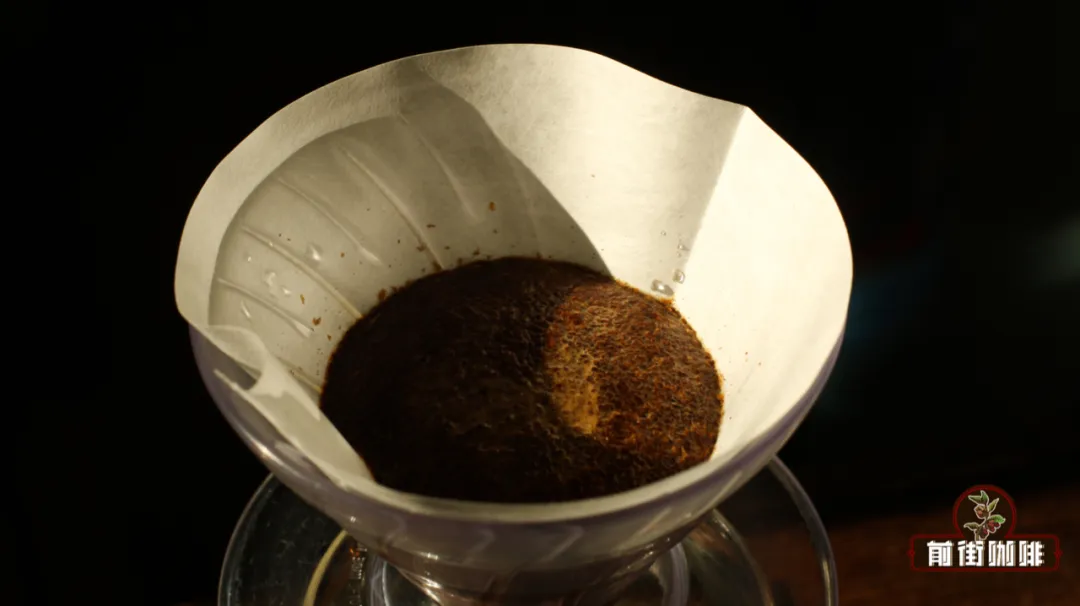
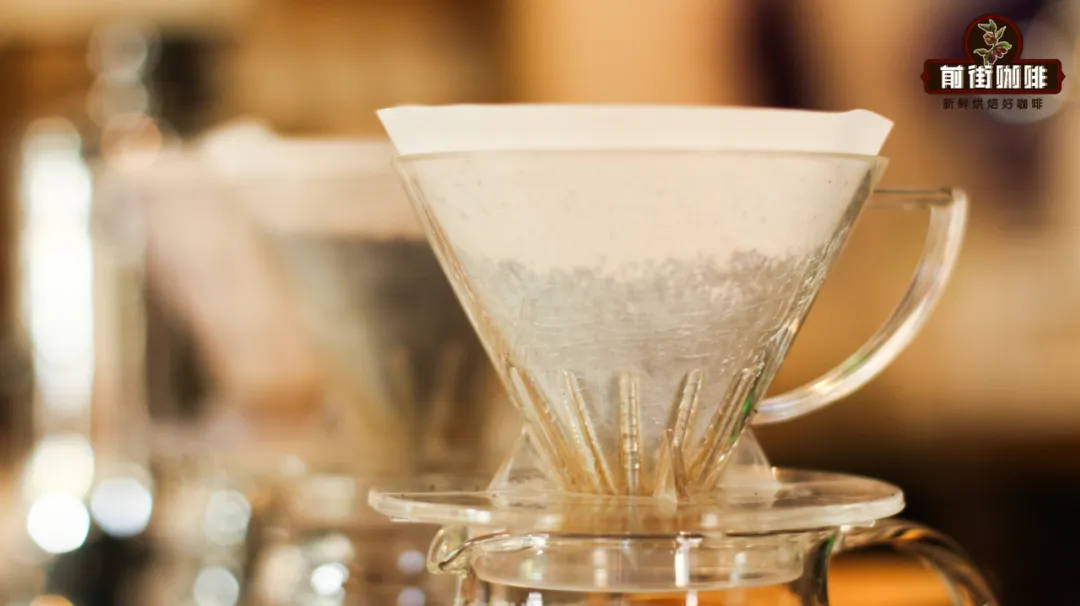
The test results showed that this special filter paper combines some advantages of both non-woven and paper pulp filters in terms of filtration performance. Its pore design may have been specially adjusted, capable of retaining some oils to enhance flavor complexity while also effectively filtering out excess fine particles, achieving a balance between mouthfeel and clarity. For coffee enthusiasts who seek flavor detail without sacrificing mouthfeel, this type of filter undoubtedly offers another worthwhile option to try.
The above content is compiled by CoffeeHunters, a coffee news website.


