







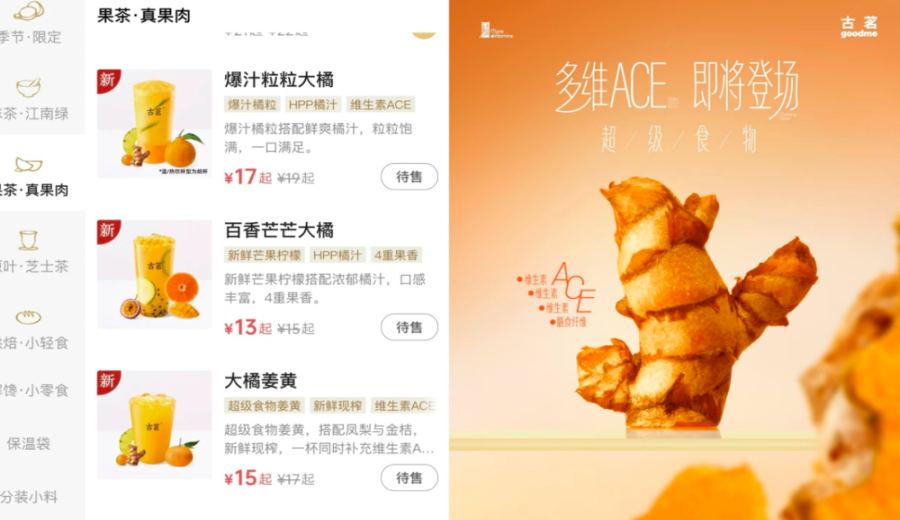
Introduction:This year, the beverage market has seen a surge in the popularity of fruit and vegetable teas, with many brands launching innovative flavors to stand out. Guming sparked widespread discussion with its new turmeric-themed offerings, particularly the “Juicy Big Orange” drink, which unexpectedly incorporated turmeric without prior announcement, leading to dissatisfaction among many long-time customers. This article delves into the reasons behind this controversy, real consumer feedback, and how the brand responded to market reactions in real time, offering readers insight into the adjustment process of beverage formulations and market strategies.
The trend of fruit and vegetable teas in the beverage market continues to heat up this year. Since HEYTEA successfully brought such products into the mainstream market, major chain beverage brands have successively entered this field, continuously experimenting with adding vegetables not commonly used in tea—such as kale, wheatgrass, and beetroot—to their drinks in pursuit of innovation and differentiation.
However, as these ingredients become more common, although consumer acceptance of familiar fruits and vegetables remains high, they are also beginning to feel unexciting. As a result, some brands have turned to more niche ingredients, attempting to capture attention with unique flavors. Guming’s recently launched turmeric series drinks are one such attempt, but they have unexpectedly stirred up considerable controversy.
Turmeric, a spice commonly found in many Asian cuisines, may look similar to ginger but comes from a different plant. Its flavor is not as spicy as ginger but instead carries a distinctive earthy and spicy aroma. For many first-time consumers, this taste can be quite unfamiliar and even off-putting.
Guming’s “Big Orange Turmeric” drink received polarized reviews upon launch. Some consumers found its flavor novel, but many others said they found it hard to accept. Online comments ranged from joking to blunt, such as “tastes like dish soap” or “smells like cleaning supplies,” showing that its unique aroma can be quite challenging for some people.
What caused an even bigger stir was that Guming’s other popular seasonal drink, the “Juicy Big Orange,” was found to have quietly added turmeric when it returned this year. This drink, which had previously received market praise for its refreshing citrus and pineapple flavors, disappointed many loyal customers due to the flavor change.
One consumer commented: “This year with turmeric added, the taste is really super weird, especially when heated—it becomes even harder to drink.” “The original fresh fruity aroma is completely overpowered, it’s not at all the taste I remember.” For these loyal customers, this drink was a highlight they looked forward to each season, but now it has been significantly diminished by an unannounced flavor tweak.
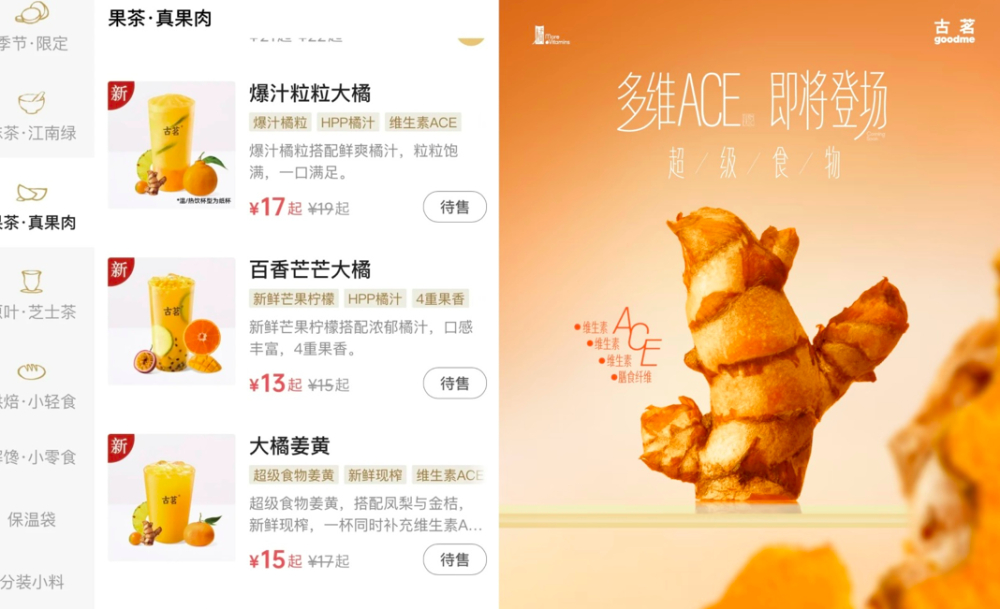
Many fans believe that although turmeric has antioxidant and health benefits, not everyone can accept its unique flavor, especially when it is suddenly added to what was originally a fruit-based drink. They are calling on the brand to respect the original formula, with some even demanding the restoration of the previous version.
After a wave of consumer feedback poured in, Guming responded quickly. It is understood that the brand urgently informed all stores on the night of the menu update and adjusted the formula of the “Juicy Big Orange.” Now, the mini-program offers both turmeric-included and turmeric-free versions, allowing customers to choose freely based on personal preference.
This move not only calmed some customers’ dissatisfaction but also demonstrated the brand’s flexibility in responding to market feedback. For beverage brands, how to strike a balance between innovation and customer expectations has always been an important issue in market competition.
This incident also serves as a reminder to the entire beverage industry: even if driven by health or innovation considerations, changes to the flavor of core products still require careful evaluation and full communication with consumers to avoid unnecessary controversies and loss of customer base.
The above content is compiled by CoffeeHunters, a coffee news website.


