







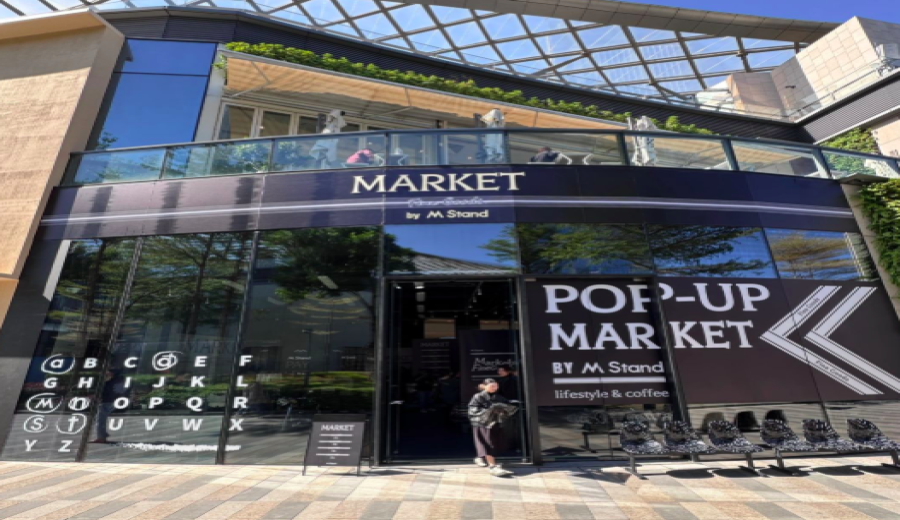
Introduction:M Stand recently launched a pop-up store called M Stand Market at Guangzhou’s Tianhuan Plaza, focusing primarily on merchandise rather than beverages. The shop is filled with trendy accessories such as cups and bags, while coffee has been relegated to being a complimentary item in bundled sets. This “buy merchandise, get coffee” marketing approach has sparked heated discussion among consumers—some criticize it as putting the cart before the horse, while others see potential in its brand collaboration opportunities. This article takes an in-depth look at the pop-up store’s operational model, pricing strategy, and real consumer feedback on the brand’s transformation.
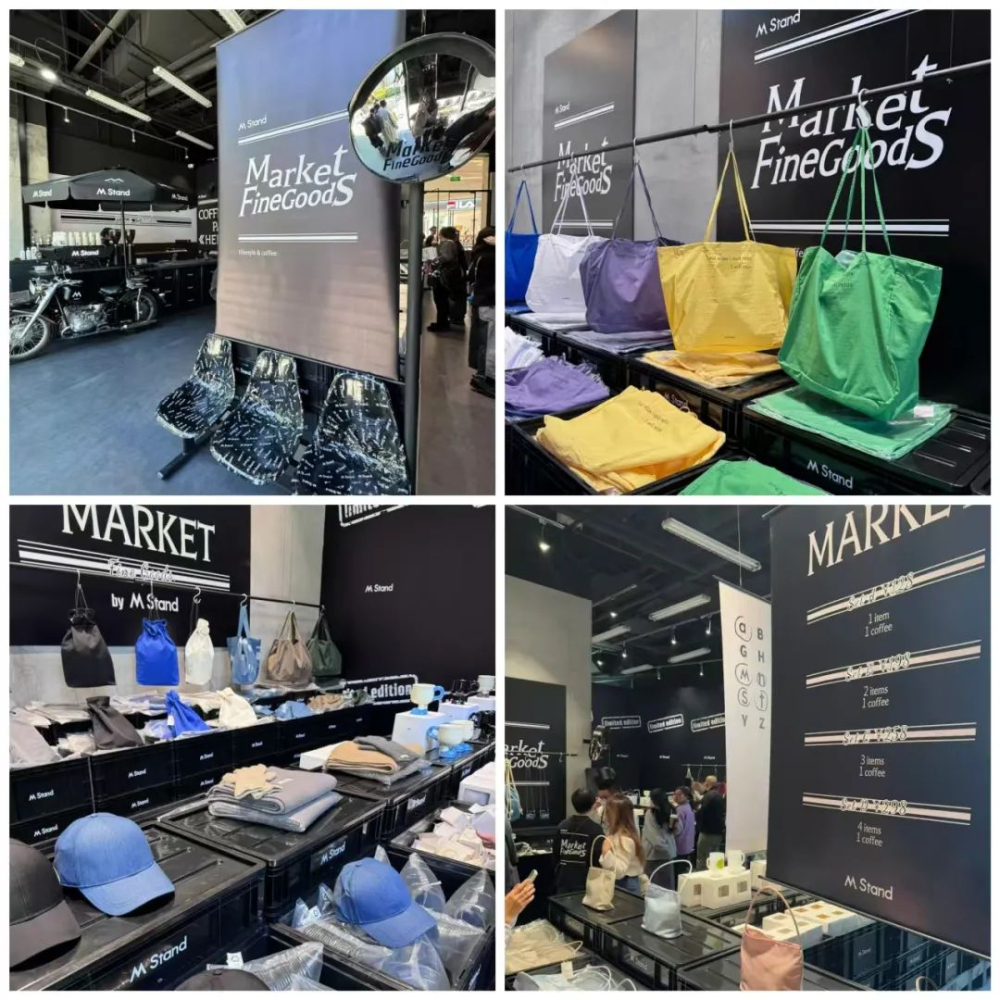
Recently, M Stand opened a pop-up store named M Stand Market on the first floor of Guangzhou’s Tianhuan Plaza. Unlike traditional coffee shops, this one does not primarily sell drinks but instead focuses on a wide range of merchandise, including trendy accessories like cups and bags. Upon entering the store, customers are greeted by a dazzling array of products, with many exclaiming that it feels like stepping into a “marketplace” dedicated entirely to merchandise.
This pop-up store is actually a new marketing experiment launched by the brand this year. It has previously appeared in cities such as Shanghai, Beijing, and Chengdu, attracting many merchandise enthusiasts looking for hidden gems. However, the biggest difference from regular stores is that merchandise at M Stand Market is not available for individual purchase. Instead, customers must choose a bundled set based on the number of items they select, with different price tiers accordingly.
According to information shared by netizens, the store offers four tiered sets, each including one cup of coffee. The differences lie in the number of merchandise items that can be chosen. Notably, as long as a customer picks any single item—be it just a mug or an earphone pouch—they must start from the lowest-priced 128 RMB set. For those seeking a more cost-effective combination, the 298 RMB set is available, averaging around 70 RMB per merchandise item, which may appeal to consumers who enjoy collecting branded goods.
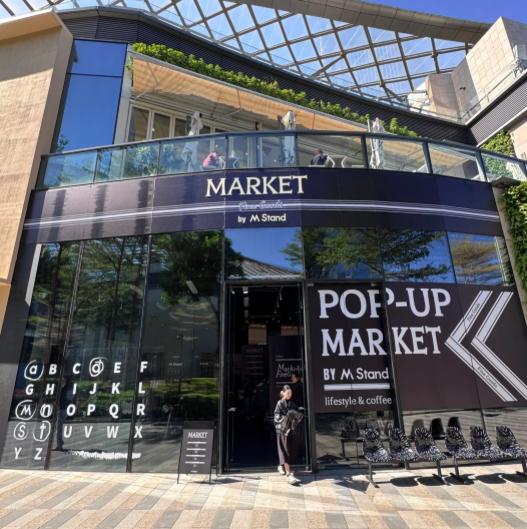
For merchandise enthusiasts, this pop-up store is undoubtedly a boon. Since its opening, it has attracted many shoppers, with numerous customers praising the diverse and creative designs on the shelves. However, for long-time M Stand coffee fans, this marketing approach has raised many questions. Some feel the brand has gotten its priorities wrong, commenting, “It used to be coffee with free merchandise, but now it’s the other way around—that’s a bit ridiculous,” or “Coffee has become an add-on. This shift is disappointing.”
Looking back, M Stand once won the favor of many coffee lovers with coffee quality that could rival that of brands like Starbucks and Manner. The beautifully designed merchandise included in bundled sets also became a highlight that attracted customers. Many fans even “bought the case but kept the jewel,” valuing those thoughtfully designed tumblers and accessories more than the drinks themselves. But now, merchandise seems to have become the brand’s most eye-catching focus. Consumer discussions have shifted from limited-edition drinks to the latest released cups and bags. Some even joke, “It used to be buy merchandise, get coffee. Now it’s really a coffee shop that sells merchandise.”
In addition, some consumers have pointed out that although the merchandise at M Stand Market comes in a variety of styles, the quality is inconsistent. One customer mentioned that a backpack they purchased fell apart after just one day of use, questioning whether the brand, in its pursuit of design, has neglected basic durability. “The cups look nice but aren’t very practical, and the backpacks are eye-catching but lack in quality,” they said, suggesting that there’s still room for improvement in both quality control and pricing strategies.
It’s undeniable that the “drink + merchandise” marketing model can effectively attract merchandise enthusiasts and those seeking limited-edition items, giving a boost to brand exposure and in-store sales. However, for M Stand’s loyal customers, if the brand becomes overly reliant on merchandise to drive performance while neglecting the development and quality control of its core coffee business, it could ultimately affect the transmission of the brand’s core values in the long run.
After all, M Stand, which once stood shoulder-to-shoulder with brands like Manner, is now at the center of attention primarily because of its merchandise—even being jokingly referred to as a “coffee shop that survives by selling merchandise.” Whether this brand transformation is successful remains to be seen, with the final verdict to be delivered by the market and consumers.
The above content is compiled by CoffeeHunters, a coffee news website.


