







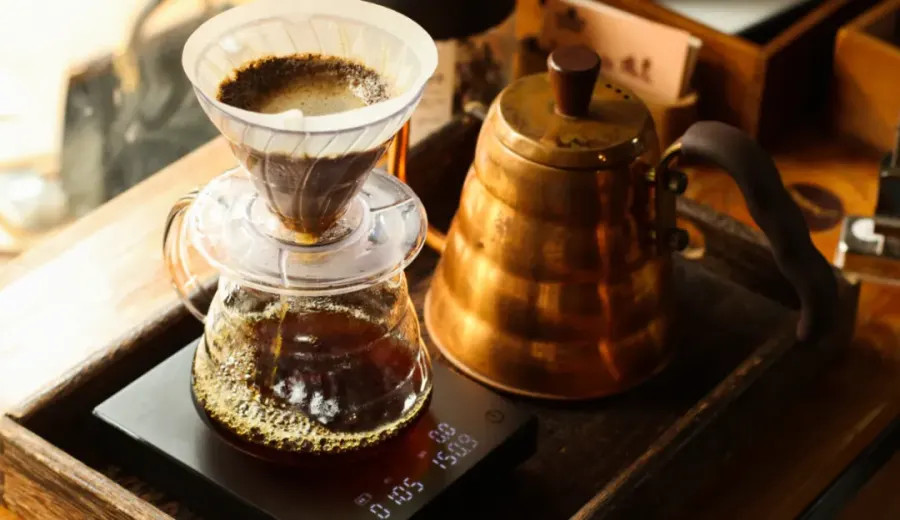
Introduction:When brewing coffee, roast level is one of the key factors that influence flavor and extraction efficiency. Lightly roasted coffee beans typically exhibit bright flavors and pronounced acidity, requiring higher water temperature and finer grind to bring out the details; whereas dark roasted beans, due to their higher degree of caramelization, are better suited to lower water temperature and coarser grind to avoid over-extraction. This article delves into the differences in brewing techniques between the two, including practical pairings of water temperature settings, grind size, brew time, and brew ratio, accompanied by illustrative explanations to help coffee enthusiasts adjust parameters according to bean type and consistently brew ideal flavors.
During the pour over process, selecting the correct brewing parameters is crucial for showcasing the unique flavors of the coffee beans. Among these, roast level is one of the most fundamental and critical variables. Generally speaking,Lightly roasted coffee beansbecause they retain more of their inherent flavors and acidity, usually requirea higher water temperatureanda finer grindto fully extract their delicate aromas; on the other hand,dark roasted coffee beansdue to deeper caramelization reactions and a denser texture, are better suited toa lower water temperatureanda coarser grindto prevent over-extraction that can lead to bitterness and astringency.
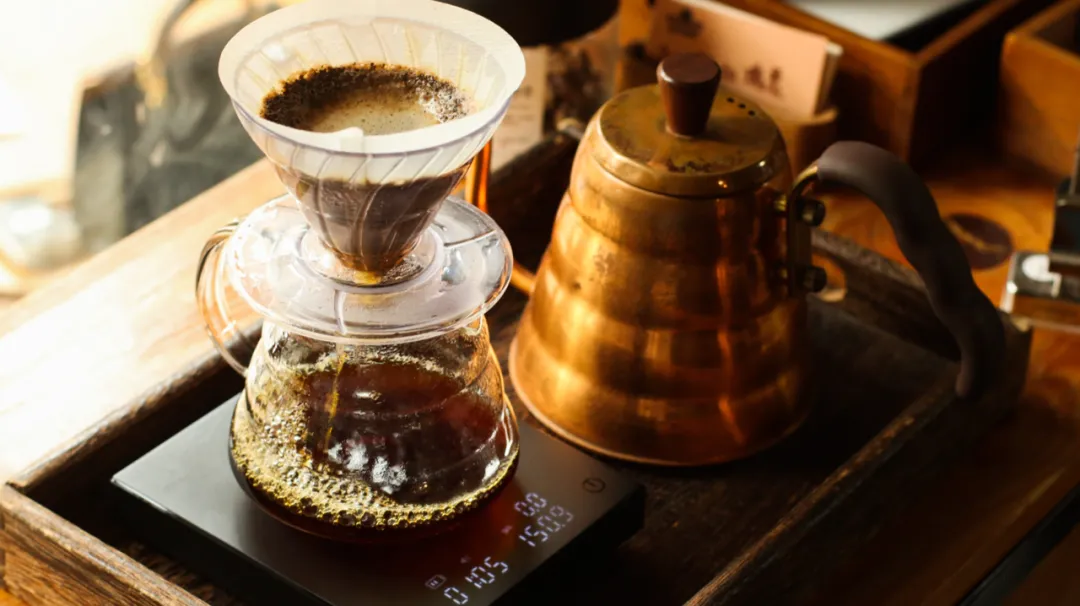
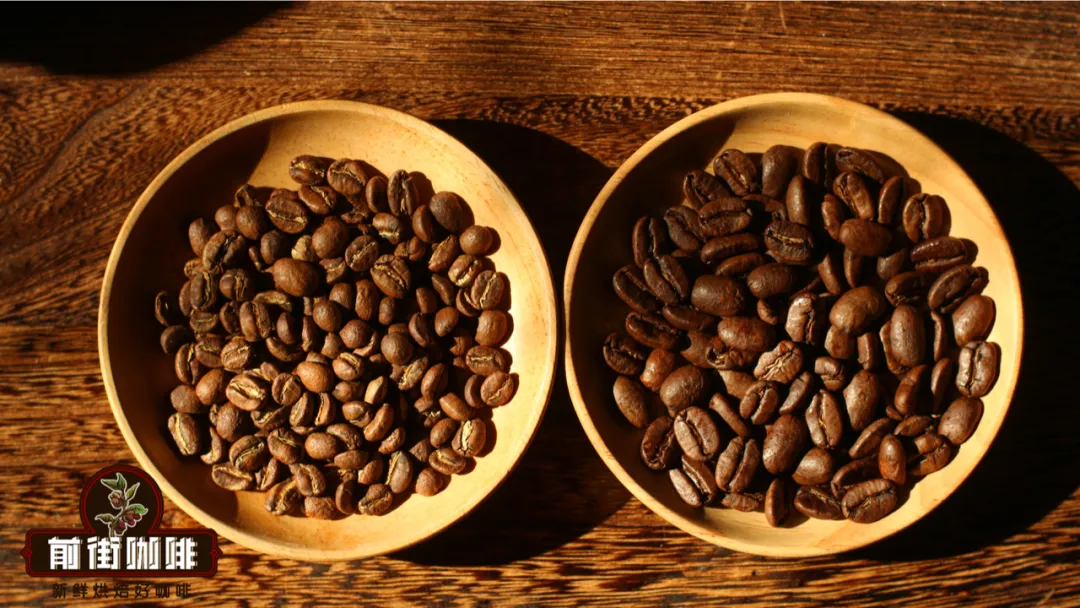
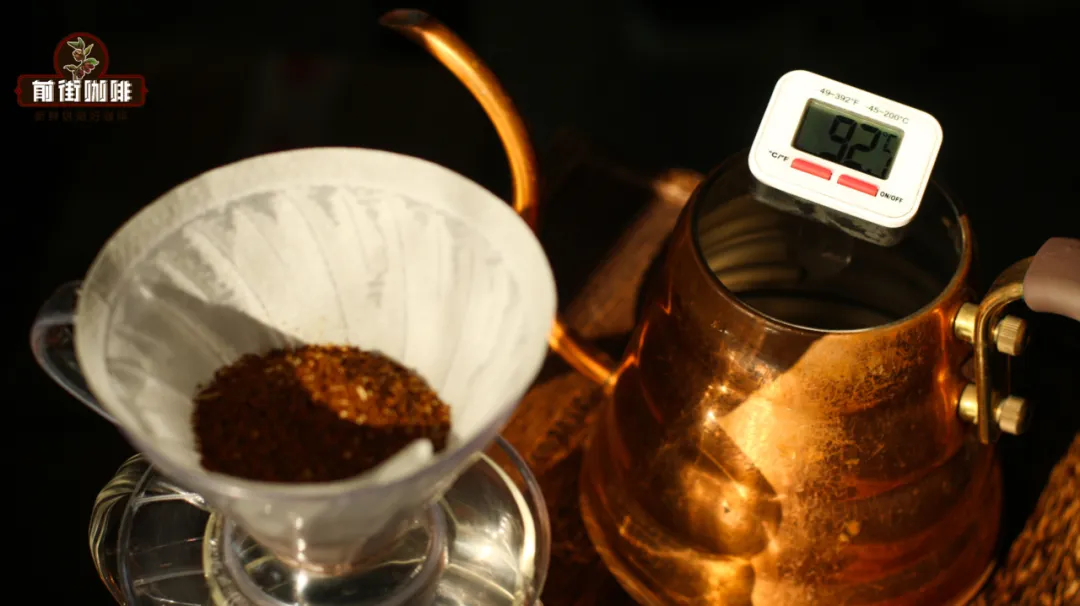
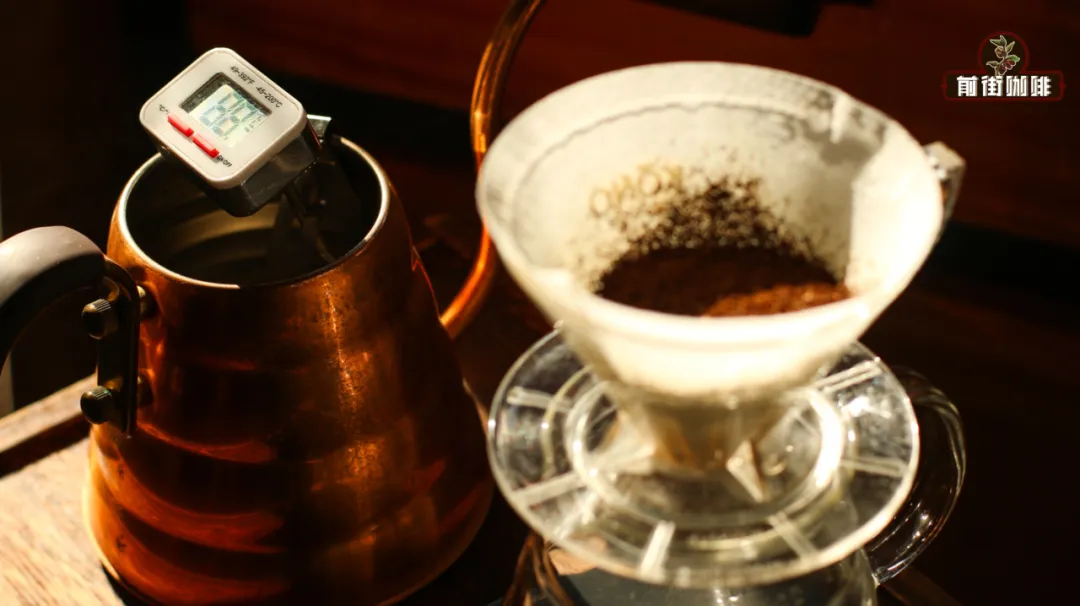
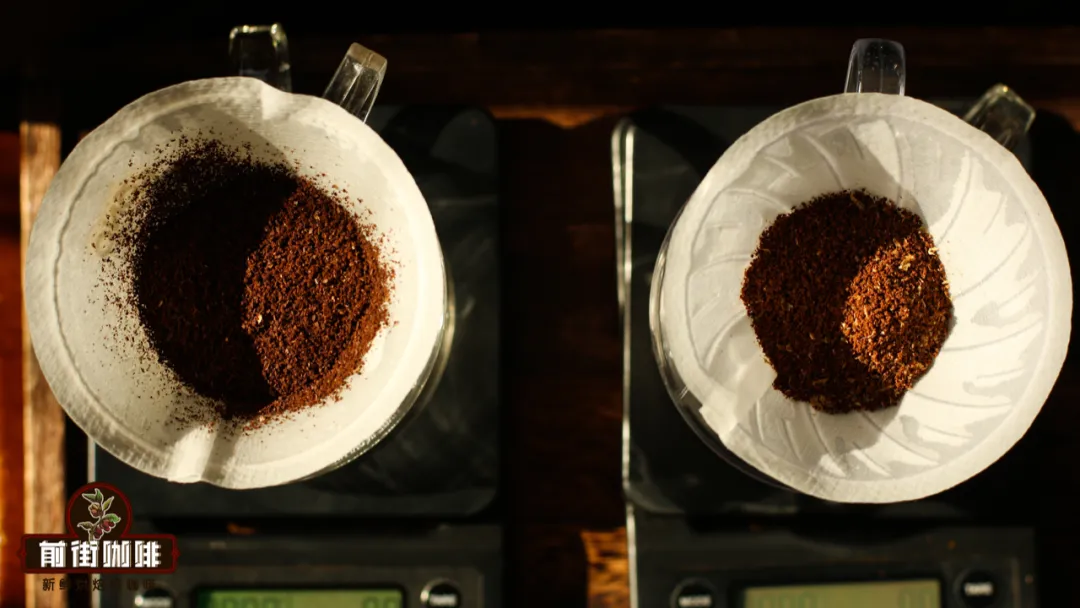
Specifically, when you choose arelatively light roasted coffee bean,it is recommended to set the water temperature between90°C and 93°C,which can effectively highlight the floral and fruity notes, bright acidity, and complex layers of aroma in the beans. At the same time, the grind size should also be adjusted to afiner level,similar to the coarseness of fine or white sugar, which helps increase the contact surface area with water and improve extraction efficiency. However, if you are usinga dark roasted coffee bean,it is advisable to lower the water temperature to86°C to 89°Cwhile also using a coarser grind, similar to the texture of sea salt or coarse sugar. This helps avoid burnt, bitter, or smoky flavors caused by high temperatures and overly fine grinding.
It’s worth mentioning that regardless of whether you choose a light or dark roasted coffee bean, during the brewing process,brew time and brew ratio settings generally remain consistent.The recommended brew time is aroundtwo minutes,which helps ensure the full expression of coffee flavors while avoiding over-extraction. As for the brew ratio, a common and accessible standard is1:151:15,
that is, using 15 milliliters of water for every 1 gram of coffee grounds. This ratio provides good strength and balance, making it a suitable starting reference for most coffee enthusiasts.
With an understanding of these core variables, coffee lovers can flexibly adjust brewing parameters based on the roast level of their beans, thereby steadily improving the outcome of each pour over. For example, if you find the brewed coffee too sharp or overly acidic, you can try slightly lowering the water temperature or adjusting to a coarser grind; conversely, if the coffee tastes too bland or thin, you might consider increasing the water temperature or slightly refining the grind size. Such adjustments not only help you gain a deeper understanding of the characteristics of the coffee but also allow you to achieve more satisfying flavor results in your daily brewing.

In summary, the differences in brewing techniques between light and dark roasted coffee beans are mainly reflected in water temperature, grind size, and some detailed adjustments, while brew time and brew ratio can mostly maintain consistent standard settings. Once you’re familiar with these basic principles, you’ll be able to adjust to the most suitable brewing approach based on the characteristics of different coffee beans—whether you're enjoying a cup of uniquely flavored coffee at home or sharing brewing insights with friends, you’ll handle it with greater ease.
In actual practice, it’s recommended to keep a record of the parameters and flavor experiences of each brew. This not only helps track your progress but also allows you to quickly revisit the settings that best suit your taste in the future. Coffee brewing is a craft that combines science and art. Through continuous experimentation and adjustment, you’ll gradually master its nuances and brew your own perfect cup of coffee.
Whether you are a beginner just starting with pour over or an experienced coffee enthusiast, understanding the relationship between roast level and brewing parameters is a key factor in enhancing your coffee drinking experience. Through the insights provided in this article, we hope you can confidently approach coffee beans of different roast levels, adjust to the most suitable brewing techniques, and enjoy the surprises and satisfaction brought by each carefully brewed cup.
The above content is compiled by CoffeeHunters, a coffee news website.


