







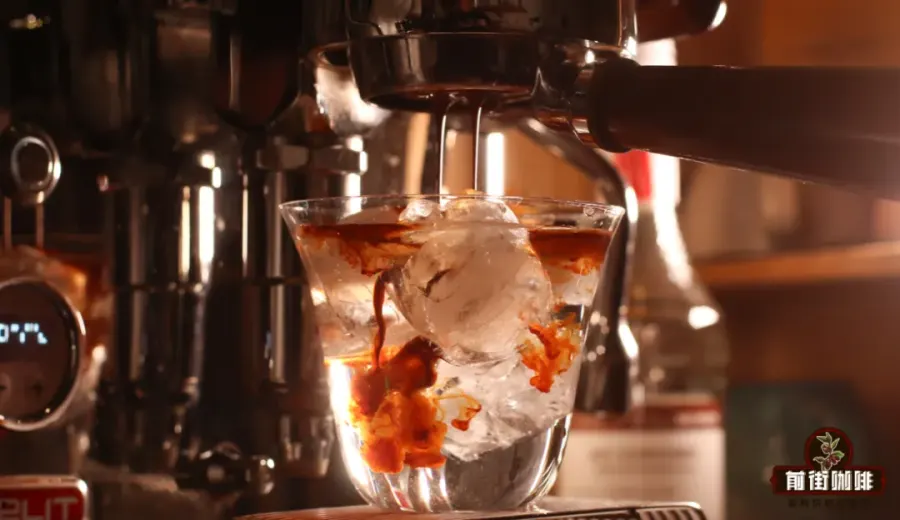
Introduction:Why is hot Americano often considered more bitter than iced Americano? In reality, it involves the impact of temperature on taste perception, the roast level of coffee beans, and differences in extraction concentration. This article delves into the sources of bitterness in hot Americano, analyzes the coffee-to-water ratio and brewing methods, and provides practical advice to help you adjust your hot Americano to the smoothest taste. It also introduces espresso bean varieties suitable for making Americano, from classic blends to fruity SOEs, helping you find your own preferred flavor.
Hot Americano is often described as “more bitter than life,” whereas iced Americano made from the same base tends to be more palatable. Where does this difference in bitterness come from? The answer actually lies in temperature, coffee bean selection, and extraction ratios. This article will break down the reasons why hot Americano tastes more bitter from three key aspects, and provide the standard coffee-to-water ratio and brewing essentials for classic Americano, so you can master a smoother brewing method.
Let’s first talk about the influence of temperature on taste perception. Research shows that human taste buds' sensitivity to different flavors changes with temperature. At higher temperatures, sensitivity to sourness is suppressed, while bitterness becomes more pronounced. This is why when you take a sip of hot Americano, the bitterness is more noticeable, whereas iced Americano, due to the lower temperature, can suppress bitterness to some extent, resulting in a smoother overall taste.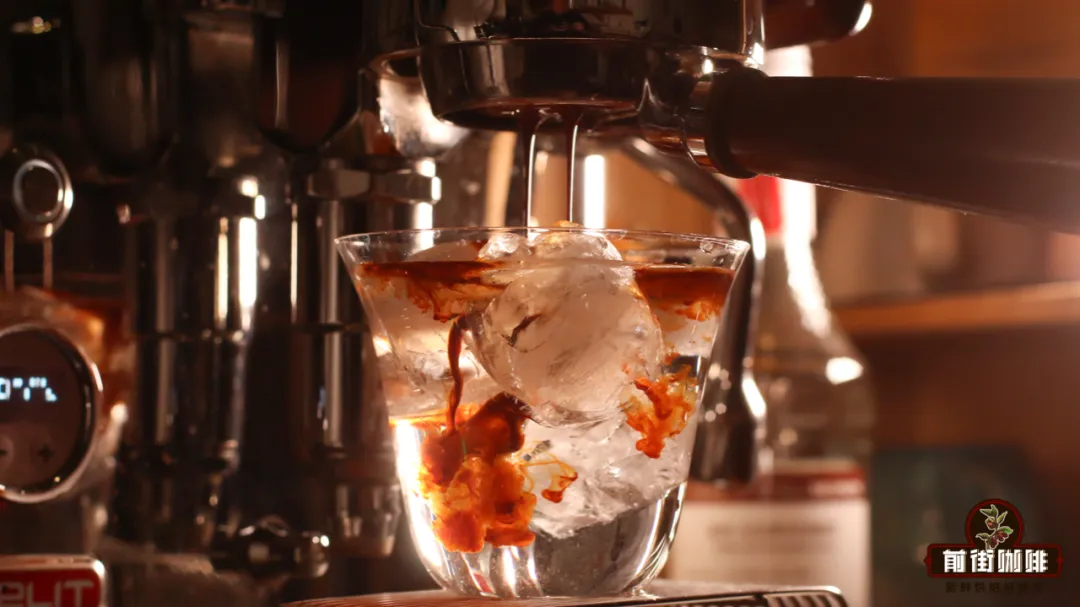
Many consumers online are quite direct in their reviews of hot Americano, with common phrases including “more bitter than life” or “as astringent as traditional Chinese herbal tea.” These strong reactions mostly focus on an overly bitter taste, which is actually closely related to temperature. When coffee is at a high temperature, bitter compounds are released more actively and are more easily perceived.
The roast level of coffee beans is also a key factor. Many cafés, due to equipment or cost considerations, use only one type of espresso bean. To accommodate the production of milk-based drinks like lattes, they often choose medium-dark or even dark roast beans. These beans have intense roasted aromas and deep cocoa-like profiles. During high-temperature extraction, the bitterness and roasted notes complement each other, further amplifying the perception of bitterness. If you prefer a more balanced flavor, it is recommended to choose espresso blends specifically designed for espresso, such as classic combinations with nutty, chocolatey, and caramel notes, which can offer a smoother mouthfeel.
In addition, medium-roast beans can also provide a different experience, especially SOEs with floral and fruity characteristics—like strawberry candy flavors or varieties from the Oma line. When cooled with ice, these can better highlight their refreshing layers. Though not mainstream for hot Americano, these beans are ideal for coffee enthusiasts looking to try something different.
Concentration differences are also a significant reason why hot Americano tends to be more bitter. Typically, cafés make hot Americano at a ratio of 1:4—that is, 40ml of espresso with 160ml of hot water. Iced Americano also uses a 1:4 ratio but is additionally served with around 90g of ice. As the ice melts, it dilutes the coffee, so in actual consumption, the coffee concentration of hot Americano is slightly higher than that of iced Americano, making the flavor more concentrated and heavier. Without proper adjustment of the coffee-to-water ratio or extraction time, bitterness can easily stand out.
However, hot Americano also has its unique advantages. The high temperature allows the coffee aroma to be more expressive, and the espresso character more prominent. As the temperature gradually drops, the layers of the coffee also slowly reveal themselves, delivering a dynamic tasting experience. With the right control over extraction and coffee-to-water ratio, hot Americano can also showcase enchanting flavors.
In summary, the main reasons hot Americano is more bitter can be attributed to the effect of temperature on taste buds, the choice of dark-roast beans, and the higher coffee concentration. Understanding these factors allows you to adjust the recipe according to your personal taste preferences. Whether you prefer a rich and bold flavor or a fresh and balanced one, you can find the most suitable hot Americano taste for yourself. If you haven’t yet tried adjusting the coffee-to-water ratio, you might start with a 1:4 base and gradually fine-tune to discover your perfect match.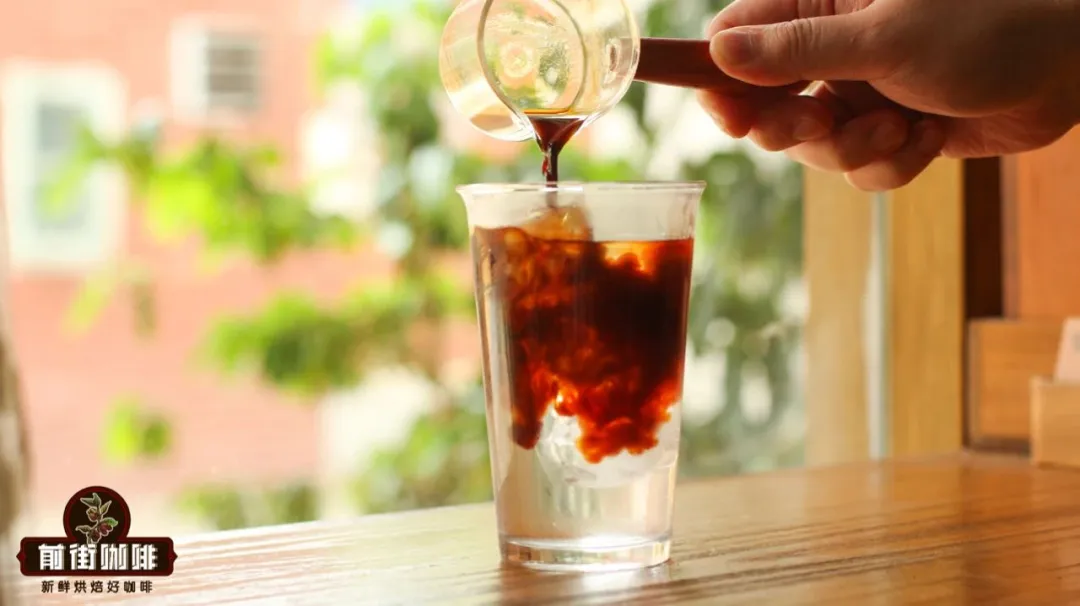
Finally, do you prefer hot Americano, iced Americano, or room-temperature Americano? Feel free to share your preferences and experiences as we explore more possibilities in coffee together.
The above content is compiled by CoffeeHunters, a coffee news website.


