







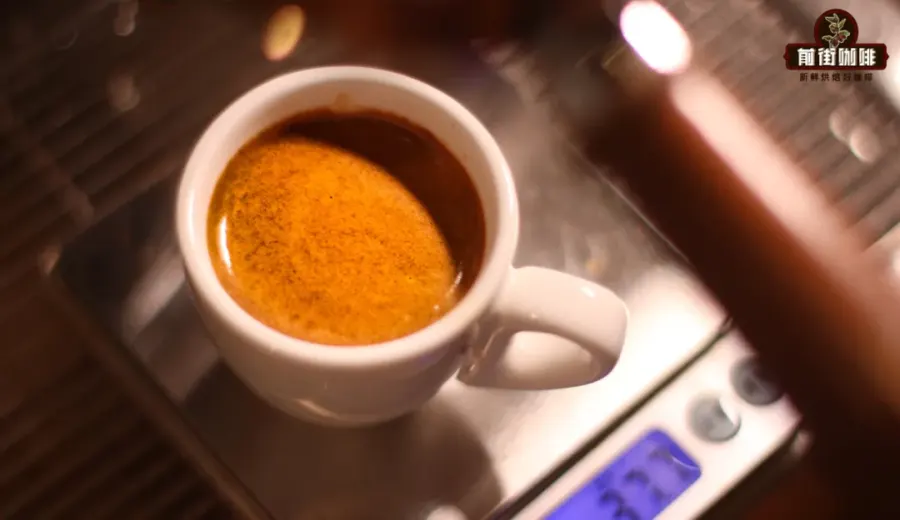
Introduction:The tiger-stripe pattern on the surface of espresso is often mistaken for signs of over-extraction, but in reality, it hides secrets related to the distribution of fine particles. This article delves into the causes behind the formation of these stripes, analyzing how grind size, coffee distribution techniques, and extraction settings influence the appearance of fine coffee particles—helping you assess extraction conditions through crema appearance and adjust for a more balanced espresso flavor.
Many coffee enthusiasts, upon first seeing the tiger stripes on the surface of an espresso shot, instinctively associate them with over-extraction. However, these small brown specks are not directly related to excessively long extraction times. Upon closer inspection of these dots floating on the crema layer, you’ll find that they are actually very fine coffee particles that haven’t fully dissolved. Understanding the origin and distribution of these fine particles can help you more accurately gauge the extraction process.
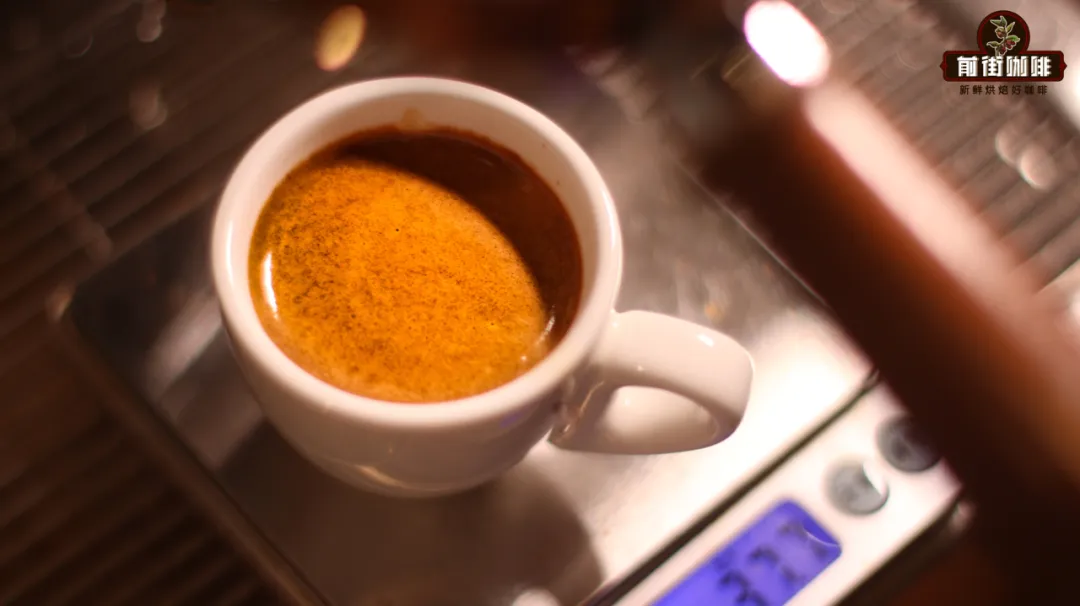
As clearly shown in the image above, dark tiny dots resembling oil droplets float within the crema layer at the top of the espresso. If you’re familiar with coffee preparation, you’ll know these aren’t oil droplets but rather particles finer than standard coffee grounds. In the industry, when these fine particles visibly accumulate on the crema surface forming patterns, we call it “tiger striping.” But why aren’t these fine particles fully integrated into the crema? This involves multiple nuanced details throughout the extraction process.
First, we need to understand how espresso crema is formed. When high-pressure water passes through finely ground coffee, carbon dioxide and lipids from the coffee beans interact to form clusters of tiny bubbles—that’s the crema we see. Notably, this process cannot filter out all extremely fine particles, especially those finer than the filter basket's pore size. These fine particles should ideally be evenly distributed within the crema, but under specific conditions, they may surface and form distinct patterns.

Normally, these fine particles blend with the crema and go unnoticed. But when you observe layered color patches or clear clusters of concentrated fine particles on the crema surface, it usually indicates that certain parameters during extraction need adjustment. Common causes include an overly fine grind leading to excessive release of fine particles; over-agitation while distributing the coffee grounds, causing fine particles to concentrate in certain areas; or the espresso machine’s spout being too close to the server, affecting the redistribution of fine particles.
Grind size is one of the key factors influencing the amount of fine particles.An overly fine grind increases the proportion of fine particles, which can not only cause channeling but also allow more microscopic particles to enter the final extraction.. It is recommended to adjust grind coarseness based on the coffee bean’s origin and roast level—generally, medium-light roasts suit a medium-fine grind, while darker roasts are better suited to slightly coarser settings. Additionally, coffee distribution technique is crucial. Over-shaking the portafilter can cause fine particles to settle at the bottom, making them more likely to be flushed out under high pressure.
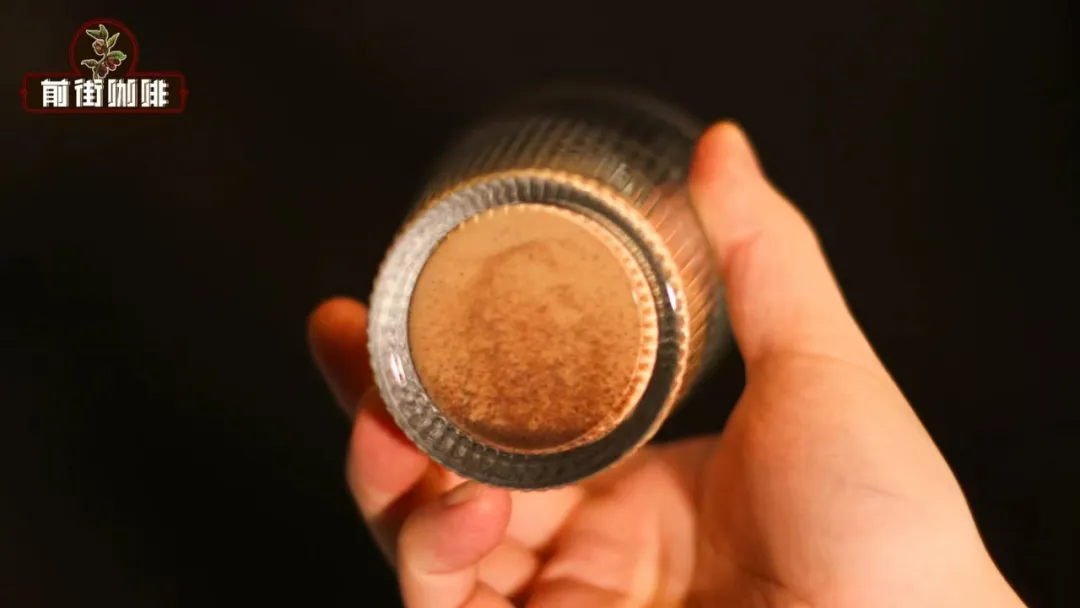
Another often overlooked factor is the pour distance. If the distance between the espresso machine’s spout and the server is too short, the impact may be insufficient to re-integrate surface fine particles back into the crema. The professional recommendation is to maintain a pour height of 8–10 centimeters—this distance ensures enough impact to break up the crema without overly disrupting extraction pressure. Also, pay attention to maintaining a stable pour speed, avoiding an overly fast initial flow which could lead to concentrated release of fine particles.
Understanding the true cause of tiger striping helps you more accurately assess extraction conditions. When these fine particle patterns are prominent, it doesn’t mean the coffee is over-extracted—in fact, it might signal uneven extraction or poor fine particle management. By adjusting grind size, refining your coffee distribution technique, and controlling pour parameters, you can effectively reduce the appearance of tiger stripes while improving the overall flavor profile of your espresso.
The above content is compiled by CoffeeHunters, a coffee news website.


