







Introduction:Heavy rainfall in northern Sumatra, Indonesia has triggered severe floods and landslides, claiming at least 20 lives. The Arabica coffee-growing belt in the central region of Lidong has borne the brunt of the disaster. With the globally renowned Mandheling coffee production area affected and major transportation routes disrupted, the supply for the new harvest season may be impacted. This article delves into the actual effects of the disaster on the coffee industry and potential changes in future market trends.
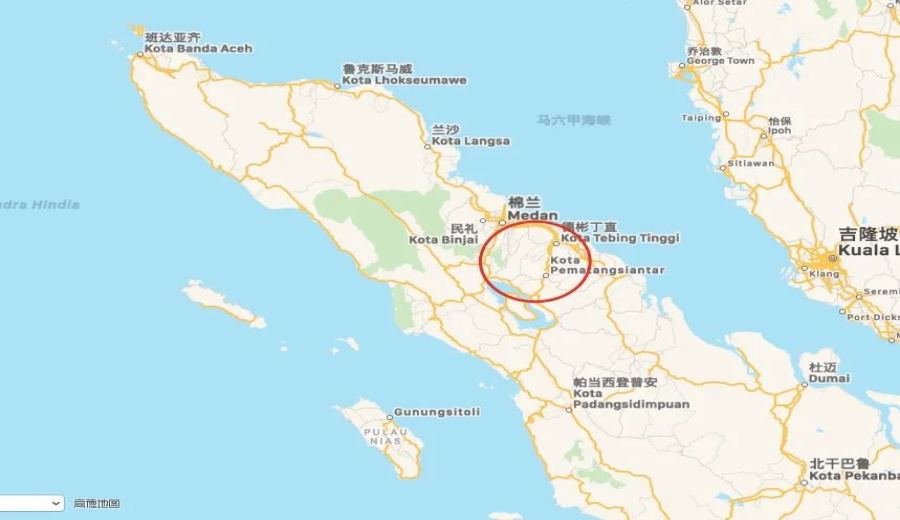
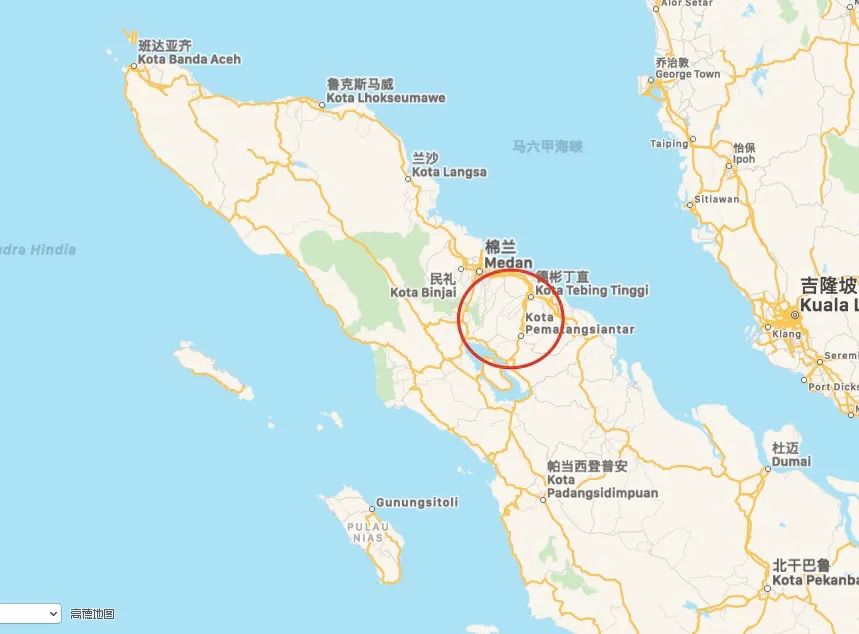
In recent days, persistent heavy rainfall in northern Sumatra, Indonesia, has caused widespread flash floods and landslides, with several areas in North Sumatra Province suffering severe damage. To date, the disaster has resulted in 20 tragic fatalities and numerous injuries. The catastrophe has not only devastated local residential buildings, schools, roads, and other infrastructure, but has also directly impacted the Arabica coffee cultivation areas in the central Lidong region of the province — the primary origin of the world-famous Mandheling coffee. Meanwhile, landslides in the neighboring Deli Serdang Regency have disrupted key transportation routes connecting to the Medan seaport, severely affecting import and export operations.
The current period marks the peak harvesting season for Arabica coffee. Continuous torrential rain threatens to knock ripe coffee cherries off the trees, which could not only lead to a decline in yield but also heighten concerns about unstable supply for the new harvest season. The international market remains generally cautious in response.
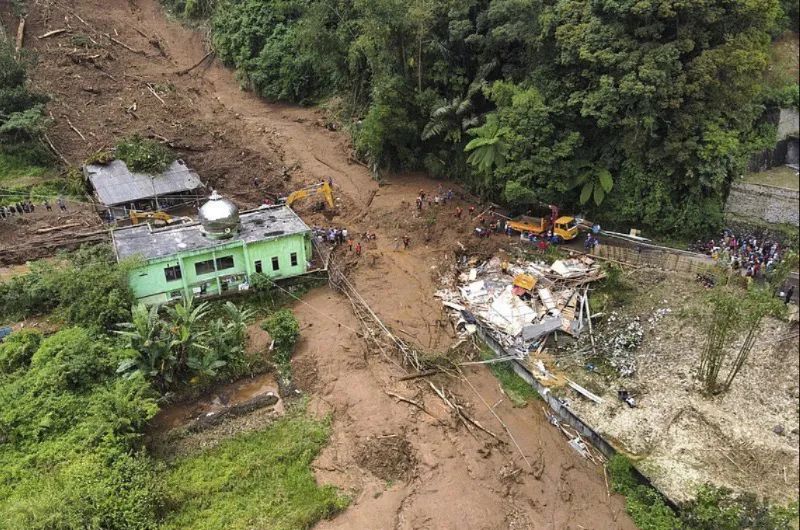
According to a disaster report from Indonesia’s National Disaster Management Agency (BNPB), the death toll from floods and landslides in North Sumatra Province has risen to 20. Among them, Karo Regency has been the hardest hit, with 10 deaths reported; Deli Serdang Regency has recorded 7 fatalities, with 2 people still missing and search and rescue efforts ongoing.
Notably, Indonesia typically enters its rainy season around November each year. Historical data from Indonesia’s Meteorological, Climatological, and Geophysical Agency (BMKG) shows that the western part of Sumatra Island will experience the peak of rainy season rainfall between November and December this year. This is precisely why the recent heavy rainfall has triggered such severe flooding and landslides.
BNPB’s disaster data experts further noted that the disaster has caused severe damage to 6 residential buildings locally, while public facilities such as schools, places of worship, farmland, and road traffic have also sustained varying degrees of destruction. Of particular concern is that North Sumatra Province is the main Arabica coffee-growing area on the island, with the globally acclaimed Mandheling coffee originating from the Lidong region in the central part of the province. As a result, the heavy rainfall and resulting secondary disasters have had a direct impact on the local coffee industry.
Additionally, Deli Serdang Regency, which has been more severely affected, is not only located north of the provincial capital Medan but also serves as a major route for the transport of goods from Sumatra Island to the seaport. However, some areas and roads have been damaged due to landslides, leading to serious obstacles in the region’s import and export operations.
In fact, as early as September this year, northern Sumatra Island experienced a round of severe weather. At that time, the Aceh region and surrounding areas were hit by heavy rainfall accompanied by strong winds, with maximum wind speeds reaching up to 55.56 km/h — almost hurricane force — causing damage to multiple buildings, sports facilities, and infrastructure, along with one reported fatality.
However, the September disaster was mainly concentrated in northern Sumatra Island. While it did have a certain impact on the Arabica coffee-producing areas, it did not affect the Robusta coffee-producing areas in the southern part of the island. According to official Indonesian statistics, Sumatra Island exported 369,332 bags (each 60 kg) of Robusta coffee in September, a significant year-on-year increase of 76.36%. This figure also contributed to Sumatra Island’s cumulative coffee exports of 1.268 million bags in the first six months of the 2024/25 season (April to March of the following year), reflecting an annual growth rate of 14.28%.
At the time, the market generally estimated that Indonesia’s total coffee production for the 2024/25 season would be around 11.5 million bags, of which 85% would be Robusta and the remaining 15% Arabica. However, as the current Arabica coffee harvest season coincides with continuous heavy rain, there is a risk of mature cherries falling off the trees, potentially leading to reduced output. Coupled with the effects of flash floods and landslides, the future yield remains uncertain.
BNPB also continues to urge local governments and residents to remain highly vigilant, as the latest weather forecasts indicate that northern North Sumatra Province and other areas may still experience extreme weather such as heavy rain, thunderstorms, and strong winds in the coming days, posing a risk of further disasters. As a result, the market remains generally pessimistic about the supply of Arabica coffee from the new harvest season in Sumatra Island. In addition, multiple major coffee-producing countries have also reported consecutive news of reduced yields, with international coffee prices currently remaining at high levels.
The above content is compiled by CoffeeHunters, a coffee news website.


