







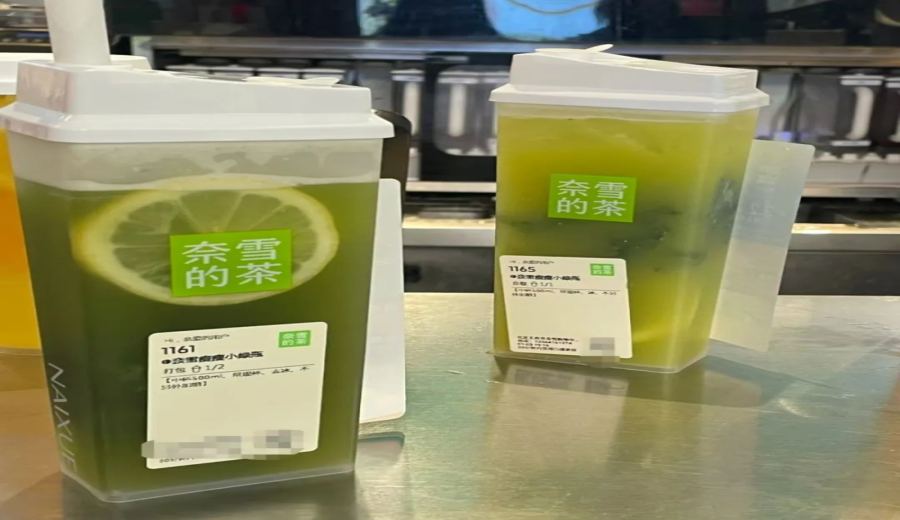
Introduction:Nayuki’s newly launched "Skinny Little Green Bottle" claims to use 500 grams of fruits and vegetables per day, with no added sugar and made fresh by juicing, attracting many health-conscious consumers. However, after its release, it sparked doubts about being overly sweet and having a yellowish color, even being jokingly called "vegetable leaf bathwater." The brand explained that the sweetness comes from the natural sugars in the fruits, and the yellow tint is a natural result of apple oxidation. This article will help you understand common misconceptions about fresh fruit and vegetable juices, the principles of oxidation, and drinking precautions.
Nayuki Tea recently introduced a new "500 Daily Fruits & Vegetables Bottle" series, with its first product, the "Skinny Little Green Bottle," promoting adherence to the Chinese Nutrition Society's recommended daily intake of 500 grams of fruits and vegetables. It combines six types of freshly juiced produce such as kale, apples, and pears, along with freshly brewed tea, as its formula. The brand emphasizes that the product is "0 added sugar" and uses fresh juicing and production as its main selling points, attracting health-focused consumers to give it a try.
However, many consumers have raised questions after trying it. Some users mentioned that although the official website and packaging both stress "no added sugar," they could clearly taste sweetness upon drinking, with some even describing it as having a "syrup-like" feel. Additionally, some consumers shared photos pointing out that the drink had a yellowish-green hue, which was noticeably different from the vibrant green shown in the official promotional images, leading them to question whether it was truly freshly juiced.
In response to the skepticism, Nayuki staff quickly addressed the issue on social media platforms. They clarified that the Little Green Bottle indeed uses freshly picked kale, apples, pears, and other fruits juiced on the same day, with no added white sugar or syrups. As for the perceived sweetness, it mainly comes from the natural sugars found in fruits like apples, oranges, and pears, which is a normal occurrence.
Furthermore, regarding the complaints about the yellowish color of the drink, the brand explained that because the formula includes apples that are prone to oxidation, if the juice is not consumed immediately after juicing, the phenolic compounds in the juice can naturally react with oxygen, causing the color to gradually change from bright green to yellowish-green.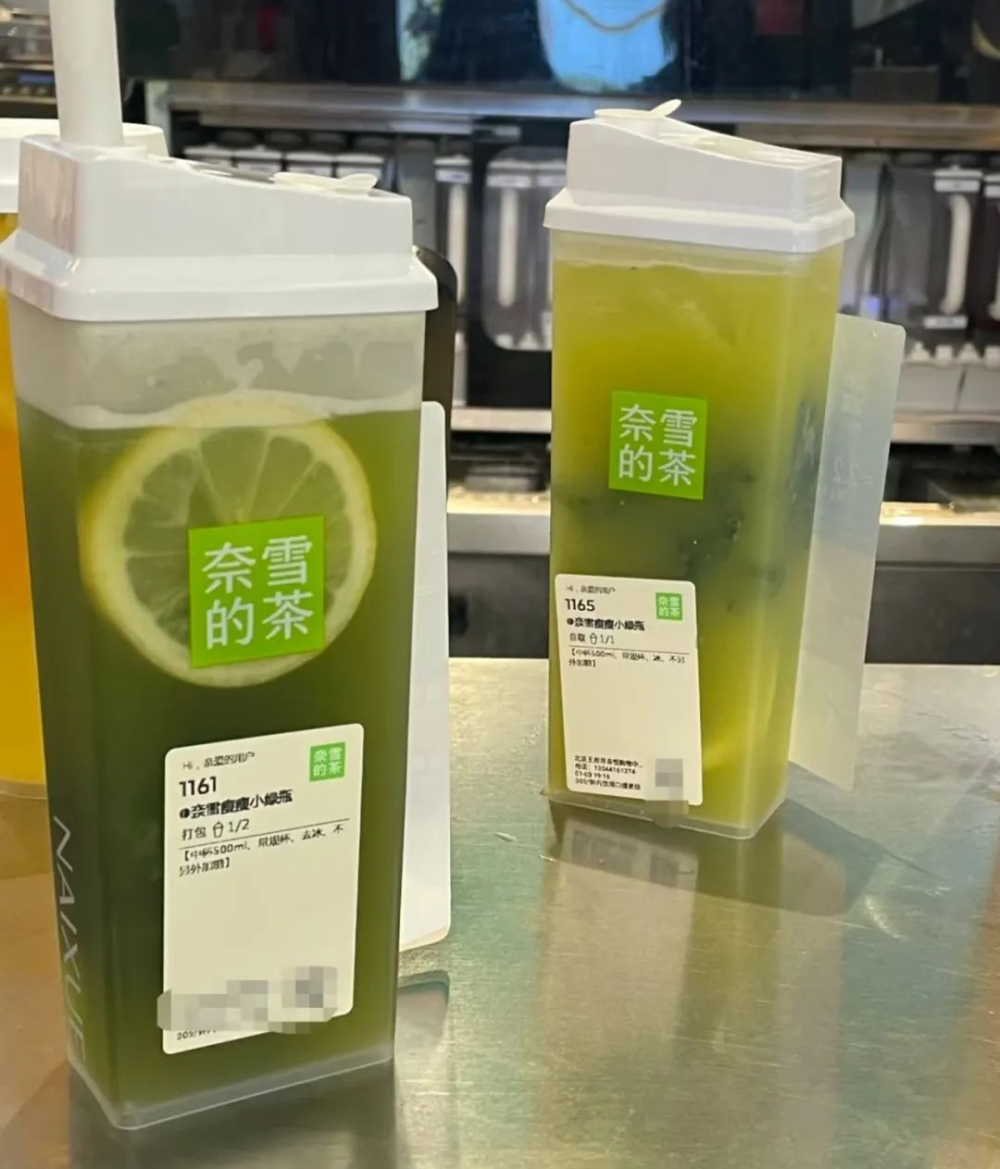 This phenomenon does not indicate that the drink has gone bad or is of poor quality; on the contrary, it proves that real freshly juiced juice is being used, rather than artificially mixed beverages.
Some consumers pointed out that the leftover lemon slices at the bottom of the cup and the seemingly not-so-fresh kale leaves gave off a "soaking vegetables in water" taste, with some even joking that it felt like drinking "vegetable leaf bathwater." In response, Nayuki staff stated that the vegetable leaves are mainly for decoration and suggested that customers remove the lemon slices before drinking to avoid prolonged soaking affecting the overall flavor.
This incident also sparked heated online discussions among netizens about common misconceptions regarding fresh fruit and vegetable juices. Experts pointed out that many consumers mistakenly believe that freshly juiced juice should be completely colorless or maintain the vibrant color it had when first juiced. In reality, most natural juices will change color over time after exposure to air, which is a normal oxidation process. For example, apple juice will begin to change color within minutes of juicing if no antioxidants are added.
Industry professionals suggest that when purchasing freshly juiced fruit and vegetable drinks, consumers should not only observe the appearance and taste but also pay attention to the production time and storage conditions. Freshly juiced juices are generally recommended to be consumed within 4 to 8 hours of juicing to ensure optimal nutrition and flavor. Additionally, if the drink appears unusually dark in color or has obvious sediment, one should be more alert and confirm whether it is freshly made.
It’s worth mentioning that some netizens on social media have gotten creative, suggesting that the leftover kale leaves at the bottom of the cup could be collected after drinking, washed, and used as salad ingredients to increase dietary fiber intake—giving the joking term "vegetable leaf bathwater" a humorous and practical twist.
The above content is compiled by CoffeeHunters, a coffee news website.


