







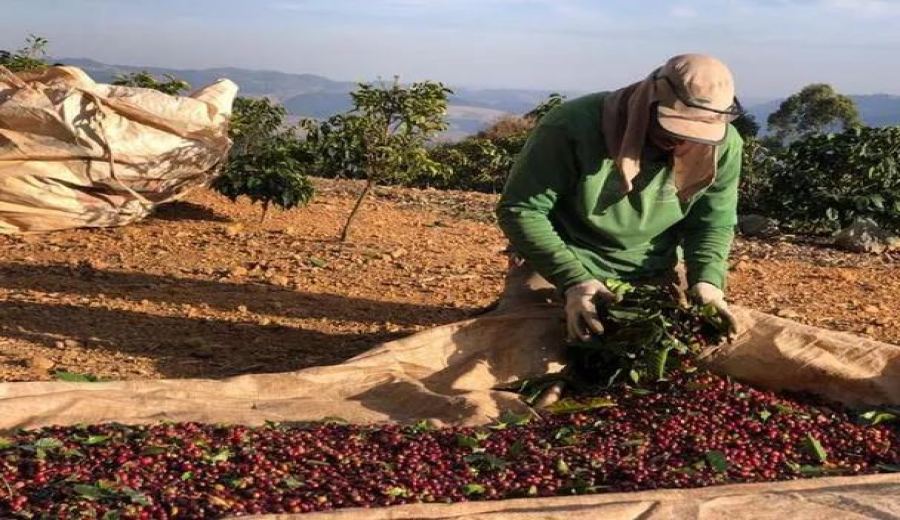
Introduction:Brazilian coffee spot prices have surged to a 26-year high, primarily due to downwardly revised production forecasts, abnormal weather, and port congestion. This article provides an in-depth analysis of the price trends for both Arabica and Robusta, breaking down how natural disasters, logistical bottlenecks, and a strong US dollar are driving up costs. It also reveals the massive losses caused by delayed shipments, helping readers grasp the key variables in the global coffee market.
The spot price of Brazilian Arabica coffee has recently climbed to a 26-year high, reaching 1,805.68 Brazilian reais per 60-kilogram bag — an 18.3% increase within a single month — reflecting the tense supply-demand imbalance in the market. This surge is driven by multiple factors: continuously depleting inventory levels, a downward revision of the 2024/25 production forecast, extreme weather disrupting crop growth, and a significant depreciation of the real against the US dollar, prompting international buyers to rush to secure spot supplies.
Looking back to early November, the same specification of Arabica coffee was priced at only around 1,500 reais per bag, but market sentiment quickly turned grim. Brazil’s main producing region, Minas Gerais, has been suffering from severe drought since August. Although rainfall returned in October, it was extremely unevenly distributed — some areas experienced consecutive days of heavy rain causing water damage, while others continued to face water shortages.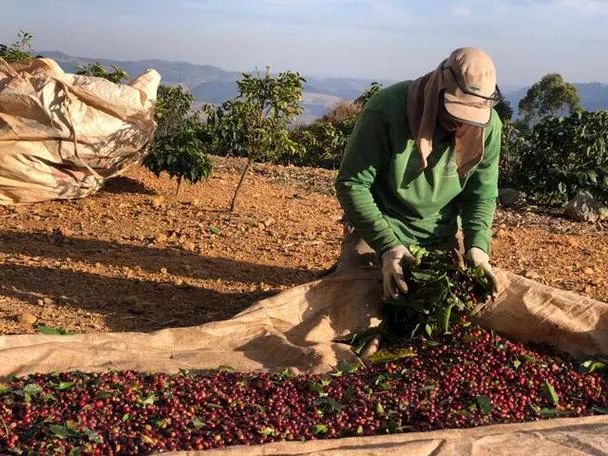 Currently, rainfall in the state remains below historical averages, and with insufficient soil moisture and high temperatures, even though coffee trees appear to be flowering well, farmers remain concerned about the risk of significant yield reductions during the harvest season.
While Robusta varieties have also benefited from the overall price rally, their price increase has been relatively moderate. After rising 8.27% compared to the end of October, the spot price is now 1,570.79 reais per bag. This type of coffee is inherently more resistant to adverse conditions, and Brazil’s growing regions have been less affected by the weather, with even potential for increased production; however, driven by the international market trend, prices have inevitably risen as well.
A more severe challenge comes from port transportation bottlenecks. As early as September, over 2.15 million bags of coffee were already stuck at Brazilian ports waiting for export; although October exports hit a monthly record of 4.926 million bags, alleviating some pressure, according to data from the Brazilian Coffee Exporters Association (Cecafé), 1.717 million bags (equivalent to 5,203 containers) remained backlog at the two major ports of Santos and Rio de Janeiro that month.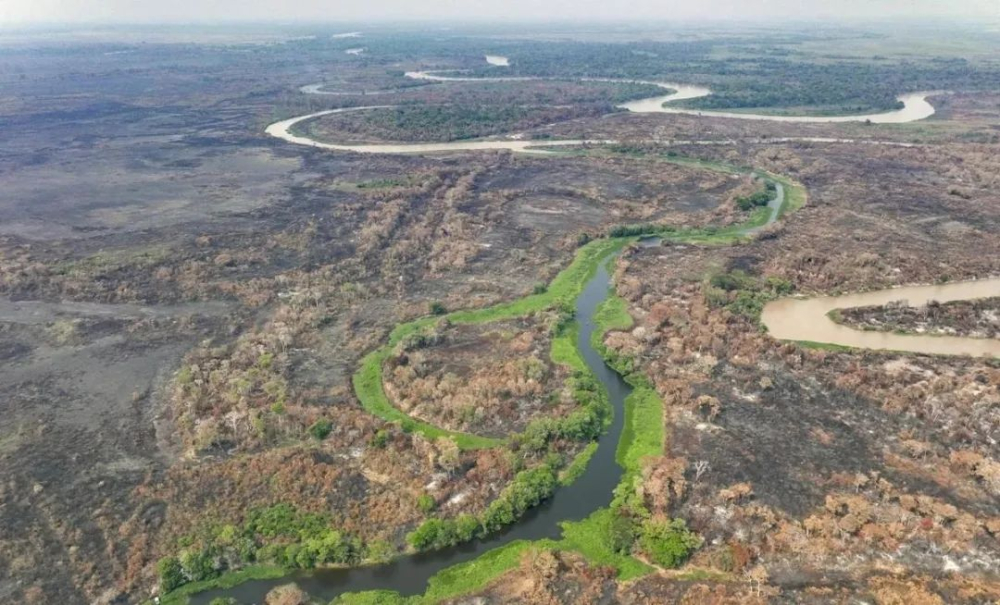 Ship delays reached as high as 74% and 70% respectively, causing exporters to face not only potential foreign exchange losses of $285.21 per bag (the October FOB average price) — estimated at a total of approximately $489.72 million — but also additional costs of up to 6.986 million reais for warehousing, demurrage, and pre-stacking fees.
Notably, the Brazilian real closed at 5.989 against the US dollar on November 28, up 1.3% for the day, even briefly breaching the 6-real threshold. Although currency depreciation can temporarily enhance the international price competitiveness of Brazilian coffee, in the long run, growers must bear the dual pressures of soaring costs for imported agricultural inputs and increased exchange rate volatility. These hidden costs will eventually be passed on to the final price, further pushing up global retail coffee prices.
The above content is compiled by CoffeeHunters, a coffee news website.


