







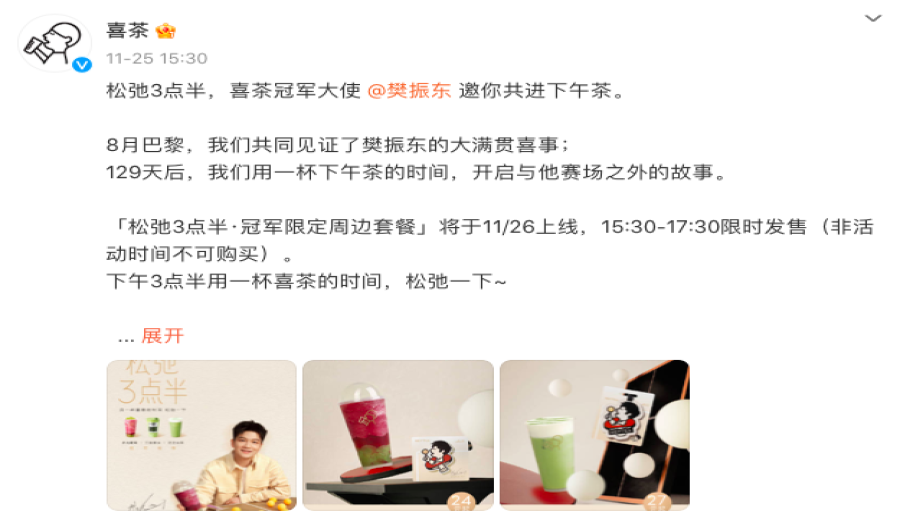
Introduction:The collaboration between HEYTEA and table tennis champion Fan Zhendong triggered a buying frenzy, with limited-edition refrigerator magnets and luggage tags selling out within minutes. Fans questioned whether retail outlets had inadequate stock or were withholding items internally. This article delves into the mechanics of the campaign, the distribution logic of the merchandise, and explores common practices in brand-limited collaborations as well as consumer strategies, helping you understand the rush for time-limited products.
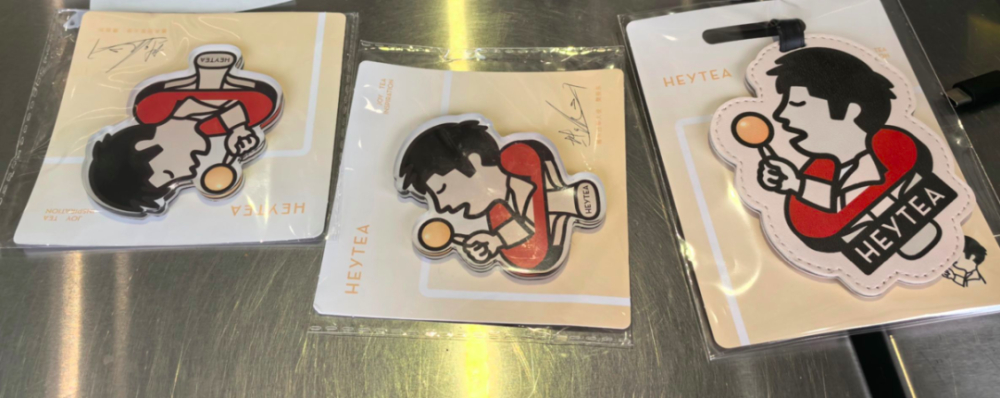
The collaboration between HEYTEA and table tennis world champion Fan Zhendong created a wave of enthusiasm, with the limited-edition refrigerator magnets and luggage tags flying off the shelves just minutes after going on sale. Many fans described the difficulty of securing them as comparable to snagging concert tickets. According to store employees, the number of collaborative merchandise items allocated to each outlet was extremely limited — even employees themselves struggled to get their hands on them. However, some netizens noticed that these items appeared on second-hand trading platforms earlier than the official announcement, and were being sold at prices far above their original value, sparking suspicions that insiders might be hoarding the merchandise for profit.
Themed “Chill at 3:30 PM,” the collaboration offered customers who purchased the champion-limited set during the designated afternoon tea period a complimentary limited-edition item featuring Fan Zhendong’s image. As soon as the campaign launched, many merchandise enthusiasts camped by their phones, ready to snap up the items the moment sales began. However, due to the overwhelming number of orders placed within the same time frame, many users reported that HEYTEA outlets in their area showed sold-out status just minutes after the sale started.
One consumer shared that to secure one of the first batches of merchandise, they arrived at the store before 3:30 PM, but the ordering system prompted that the items were out of stock when they tried to place an order. After inquiring inside the store, they learned that both the set and the merchandise were completely sold out. Many users lamented that getting a limited-edition collaboration refrigerator magnet was even harder than grabbing a concert ticket. A store employee explained that the number of merchandise items allocated to each outlet was minimal — typically just a few luggage tags and refrigerator magnets per store, and even internal staff found it hard to get them. “I’m a staff member myself. I clock in at four, but even refreshing at 3:29 didn’t get me any.”
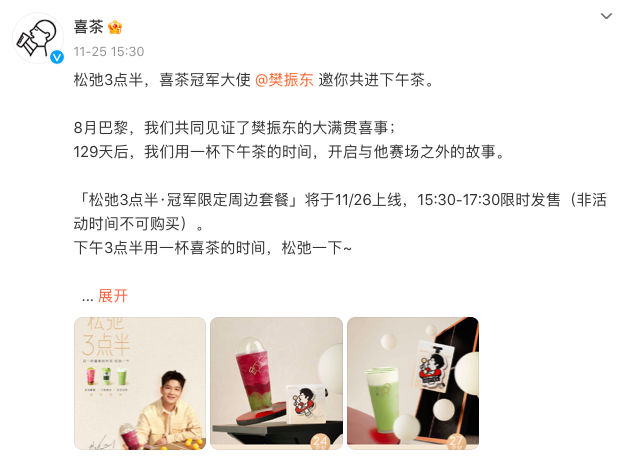
Despite such explanations from employees, consumers’ concerns about possible “behind-the-scenes manipulation” by insiders remained unresolved. Some netizens posted search results from second-hand platforms showing that these items were being sold at prices far exceeding the cost of the set itself, and had been listed earlier than the official announcement. This raised suspicions that some insiders might have privately withheld items originally allocated to stores for personal gain, making it difficult for consumers to purchase them.
While collaborations between brands and popular celebrities or athletes are generally designed to attract fan-based consumption, this campaign exposed issues in inventory preparation and distribution. Many consumers felt that HEYTEA, as an experienced brand, should have anticipated Fan Zhendong’s high popularity and the strong demand for collaboration merchandise among fans. Yet, information from store employees suggested that the quantity of merchandise allocated to each outlet was generally quite small, leading some to speculate whether this was part of a deliberate “hunger marketing” strategy by the brand to intentionally create difficulty in securing the items.
Experts pointed out that common strategies in limited-edition collaborations include strictly controlling the quantity of merchandise, releasing items during specific time slots, and distributing quotas across different outlets to create a sense of scarcity and boost brand engagement. However, if consumers widely perceive that stock is insufficient or that distribution is unfair, it may end up damaging the brand’s image. For consumers, when participating in limited-time campaigns, it’s advisable to familiarize yourself with the campaign rules in advance, ensure a stable internet connection, and act quickly when sales begin to improve your chances of success.
In summary, while the collaboration between HEYTEA and Fan Zhendong successfully captured market attention, it also highlighted potential issues in the distribution of limited-edition goods. When facing similar campaigns, consumers should approach the difficulty of securing items rationally and understand the possible marketing strategies employed by brands, in order to avoid unnecessary disappointment.
The above content is compiled by CoffeeHunters, a coffee news website.


