







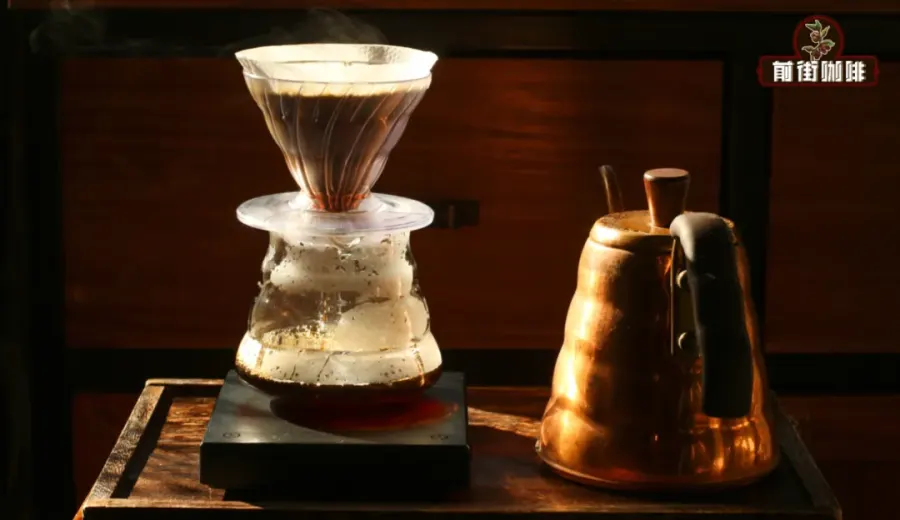
Introduction:When brewing light roast coffee at home using pour over, do you often encounter overly sharp acidity that’s hard to swallow? This is actually closely related to extraction parameters, water temperature control, and grind size. This article delves into the common causes of overly sharp acidity in pour over coffee—from under-extraction to flavor imbalance—and provides specific adjustment directions and practical tips to help you accurately achieve ideal extraction and enjoy a balanced, pleasant coffee flavor.
Many home pour over enthusiasts have experienced this frustration: the carefully brewed coffee turns out with such sharp acidity it’s almost undrinkable. This is especially common when using light roast beans. Compared to dark roast coffee, light roast beans have a significantly lower margin for error—slight misadjustments can easily lead to a failed cup. That’s also why one of the most frequent questions from beginner coffee drinkers is: “Why is my coffee so acidic?”
First, we need to clarify that coffee does indeed contain various natural acidic compounds, which contribute to the layered flavors of coffee, including positive notes like citrus, berries, or floral. However, when the acidity becomes overly stimulating and lacks roundness, it affects the overall drinking experience. What really needs to be addressed isn’t eliminating acidity, but identifying the key factors causing that sharp acidic taste.
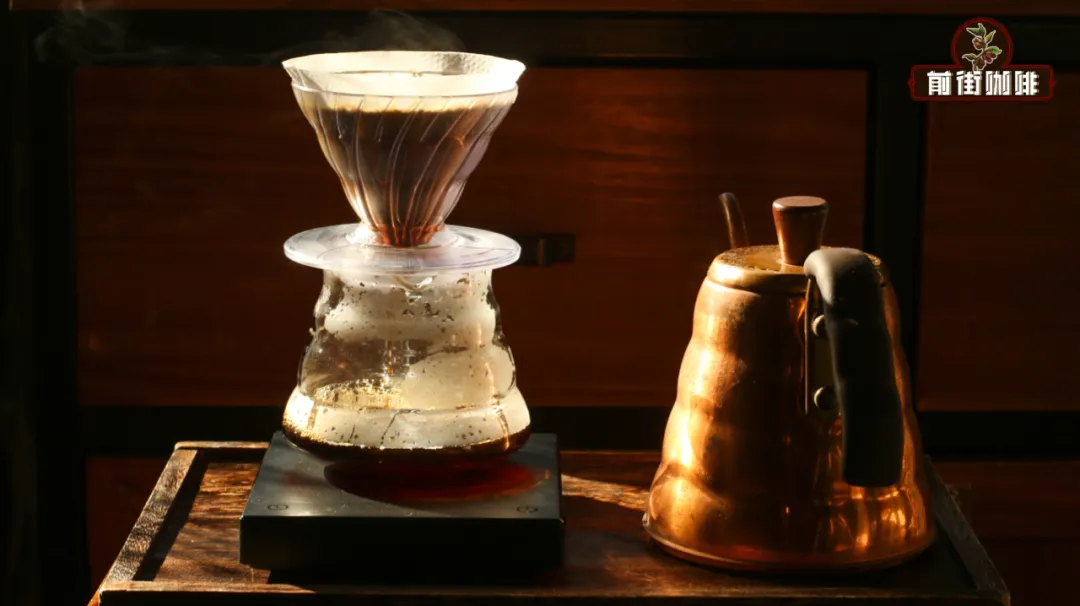
From practical experience, overly prominent acidity in pour over coffee often stems from several common extraction mistakes. For example, if the water temperature is too low, the grind size is too coarse, or the extraction time is insufficient, it may lead to excessive release of acidic compounds in the coffee, while sweetness and body-enhancing compounds are under-extracted. This imbalance is exactly what creates that sharp acidic sensation.
To improve this situation, it’s first recommended to review the basic parameters. Generally speaking, the ideal water temperature range for light roast coffee is around 90°C to 93°C. A water temperature that’s too low can easily lead to under-extraction, making acidic components relatively more prominent. At the same time, the grind size should be controlled to be medium-fine, roughly close to the texture of fine sugar, to ensure sufficient contact area so that water can evenly penetrate the coffee grounds.
Another common mistake is pouring too quickly or stirring unevenly, leading to uneven coffee extraction. It’s recommended to use a segmented pouring method—for example, start by pouring a small amount of hot water for blooming, then pour slowly in stages, controlling the total extraction time between 2 to 3 minutes. This not only improves extraction uniformity but also helps achieve a balanced release of flavor compounds.
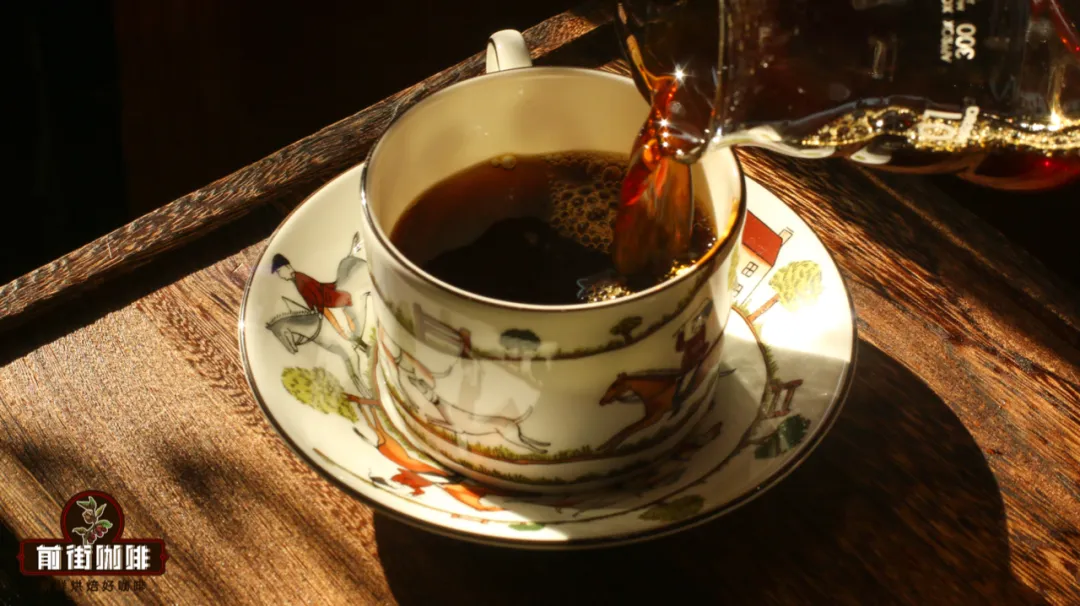
In addition, the coffee-to-water ratio is also an important variable affecting flavor presentation. The generally recommended coffee-to-water ratio is about 1:15 to 1:16, meaning 15 to 16 milliliters of water for every 1 gram of coffee grounds. If the ratio is too high, it may lead to under-extraction; if too low, it may result in over-extraction, bringing out bitterness and impurities. Adjusting the coffee-to-water ratio appropriately based on actual flavor feedback can help find the balance point that best suits your personal taste.
Another often overlooked aspect is the storage condition and freshness of the coffee beans. If coffee beans are stored for too long or exposed to air, their flavor compounds gradually degrade, and acidic components become relatively more prominent. It’s recommended to purchase small amounts of freshly roasted coffee beans and store them in a sealed, light-proof container to maintain optimal flavor performance.
In summary, overly sharp acidity in pour over coffee is usually the result of multiple factors acting together. By systematically adjusting water temperature, grind size, pouring method, and coffee-to-water ratio, and paying attention to the freshness of the coffee beans, you can gradually find the best extraction method that suits you and enjoy a well-balanced and satisfying coffee experience.


The above content is compiled by CoffeeHunters, a coffee news website.


