







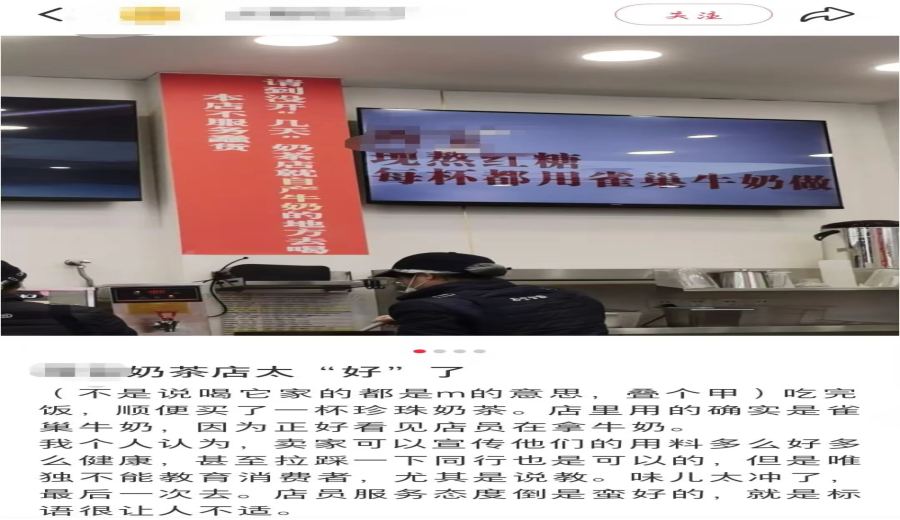
Introduction:Recently, a bubble tea shop in Hunan, China, stirred up a major controversy on social media after posting inflammatory signage such as "This store does not serve idiots." Though such marketing tactics may seem eye-catching, they often provoke widespread backlash and even deter potential customers. This article will delve into the details of the incident, explore why such extreme expressions not only fail to promote a brand but can severely damage a company’s image, and provide practical advice to help businesses avoid similar marketing pitfalls.
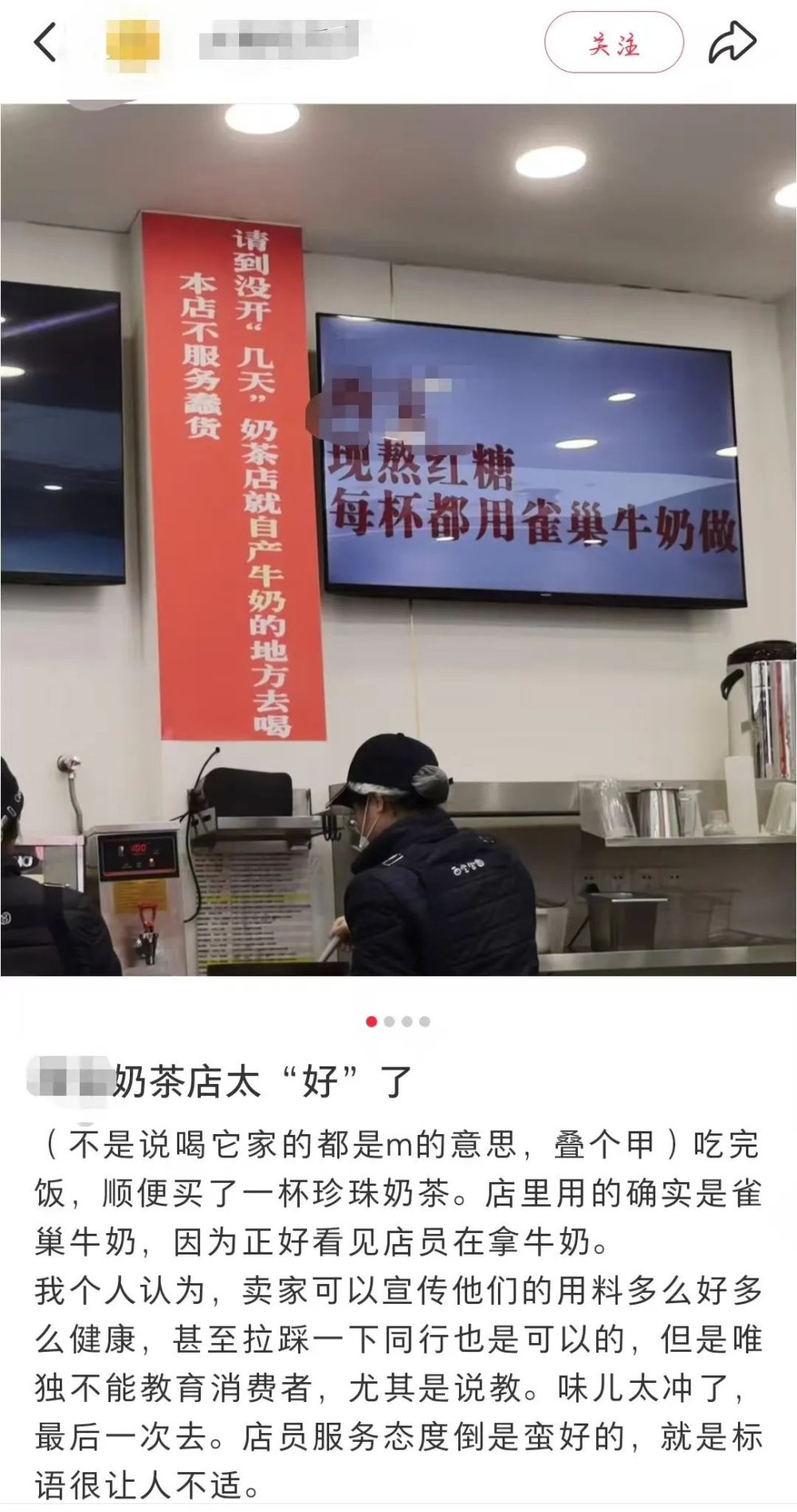
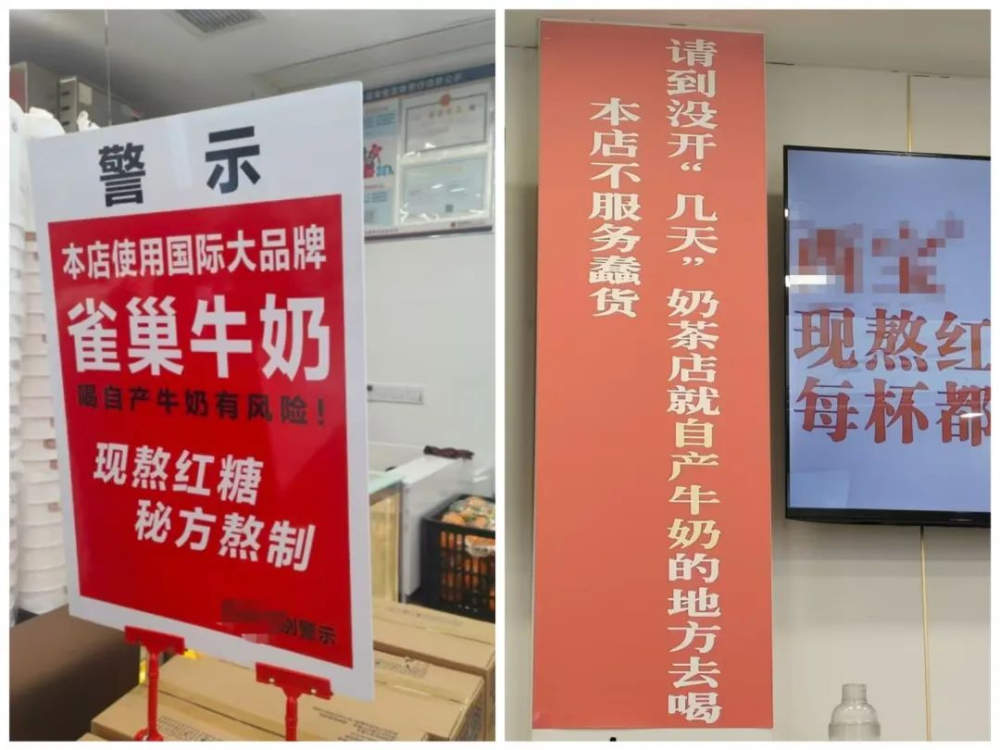
Recently, a local bubble tea shop in Hunan, China, made headlines after a red-background, white-text sign hanging inside the store went viral. The sign, worded in highly controversial language, read: "This store does not serve idiots. Please go to those 'newly opened' bubble tea shops that make their own milk." This sparked intense online discussion and outrage. Furthermore, a warning sign placed on the counter stated: "This shop uses internationally renowned Nestlé milk. Drinking self-made milk carries risks!" Such wording left many consumers puzzled, with some even interpreting it as belittling competitors and insulting customers.
According to netizen feedback, many were initially confused by the signs, with some admitting, "I don’t even understand what this means," while others jokingly claimed they needed to "translate Chinese into Chinese" to grasp the intended message. Design-savvy users also criticized the poor layout, commenting, "Vertical text shouldn’t be using quotes like that" and "First of all, couldn’t you find a better graphic designer for this?" Far from effectively conveying the brand’s message, such design choices only deepened doubts about the shop’s professionalism.
Observers noted that this shop, which specializes in freshly simmered brown sugar tapioca pearl milk tea, may have been attempting to generate buzz and subtly mock industry rivals through this unconventional marketing approach. Based on the tone and content, some netizens speculated that the shop might be targeting other popular local bubble tea brands such as Chen Wendeng or Baozhugong. However, this sarcastic and pointed messaging—though perhaps intended to emphasize the superiority of the shop’s ingredients and service—came across as overly direct and negative, making people uncomfortable and ultimately breeding resentment toward the brand.
In fact, the bubble tea shop’s past business strategies have also been controversial. According to local residents, the shop originally imitated the style of Mixue Ice Cream & Tea, selling a variety of milk teas and fruit teas, and only recently shifted its focus to the tapioca pearl milk tea market. Some customers recalled mistakenly ordering drinks because the shop’s storefront posters closely resembled those of Mixue. Additionally, a promotional line reading "It reddened my daughter’s cheeks" was seen as similar in tone to Baozhugong’s well-known slogan "Bubble tea your daughter can drink with peace of mind," leading to accusations of plagiarism or a hodgepodge of borrowed brand elements.
Many locals commented that the bubble tea shop felt like a "mix of several brands," lacking a clear brand identity or unique characteristics. Most of its offerings were already popular items in the market, resulting in serious issues of homogenization. Perhaps precisely because the shop had long struggled to differentiate itself with a compelling unique selling point, it resorted to using extreme signage to grab attention and make consumers "remember" the brand. Yet instead of successfully building a brand image, this approach led many to question the shop’s professionalism and service attitude.
Industry insiders pointed out that while such controversial marketing tactics might gain short-term attention due to their shock value, they are highly likely to provoke consumer backlash in the long run and could even erode brand trust. Especially in the service industry, referring to potential or actual customers as "idiots"—a blatantly negative term—not only demonstrates a severe lack of professionalism, but also raises serious doubts about the shop’s attitude toward customer service. For any beverage shop aiming to build lasting customer relationships, such a marketing strategy is nothing short of "shooting oneself in the foot."
In summary, the controversy surrounding this bubble tea shop’s signage not only highlights certain blind spots in branding and marketing strategies among small and medium-sized beverage outlets, but also serves as a reminder to all businesses: when engaging in creative marketing, the feelings of consumers and the maintenance of brand image must not be overlooked. Otherwise, even if attention is successfully captured, inappropriate wording or presentation can ultimately lead to customer loss and reputational damage.
The above content is compiled by CoffeeHunters, a coffee news website.


