








Introduction:Seesaw, once a brand that led the trend of specialty coffee in China, has recently been embroiled in controversy due to unpaid wages, overdue social insurance contributions, and numerous legal lawsuits. From the closure of stores in Chongqing to the travel restrictions placed on its founder, the brand’s operational status has drawn widespread attention. This article will outline the sequence of events, analyze the causes of its legal and financial crises, and explore the challenges and transformation directions facing the specialty coffee industry.
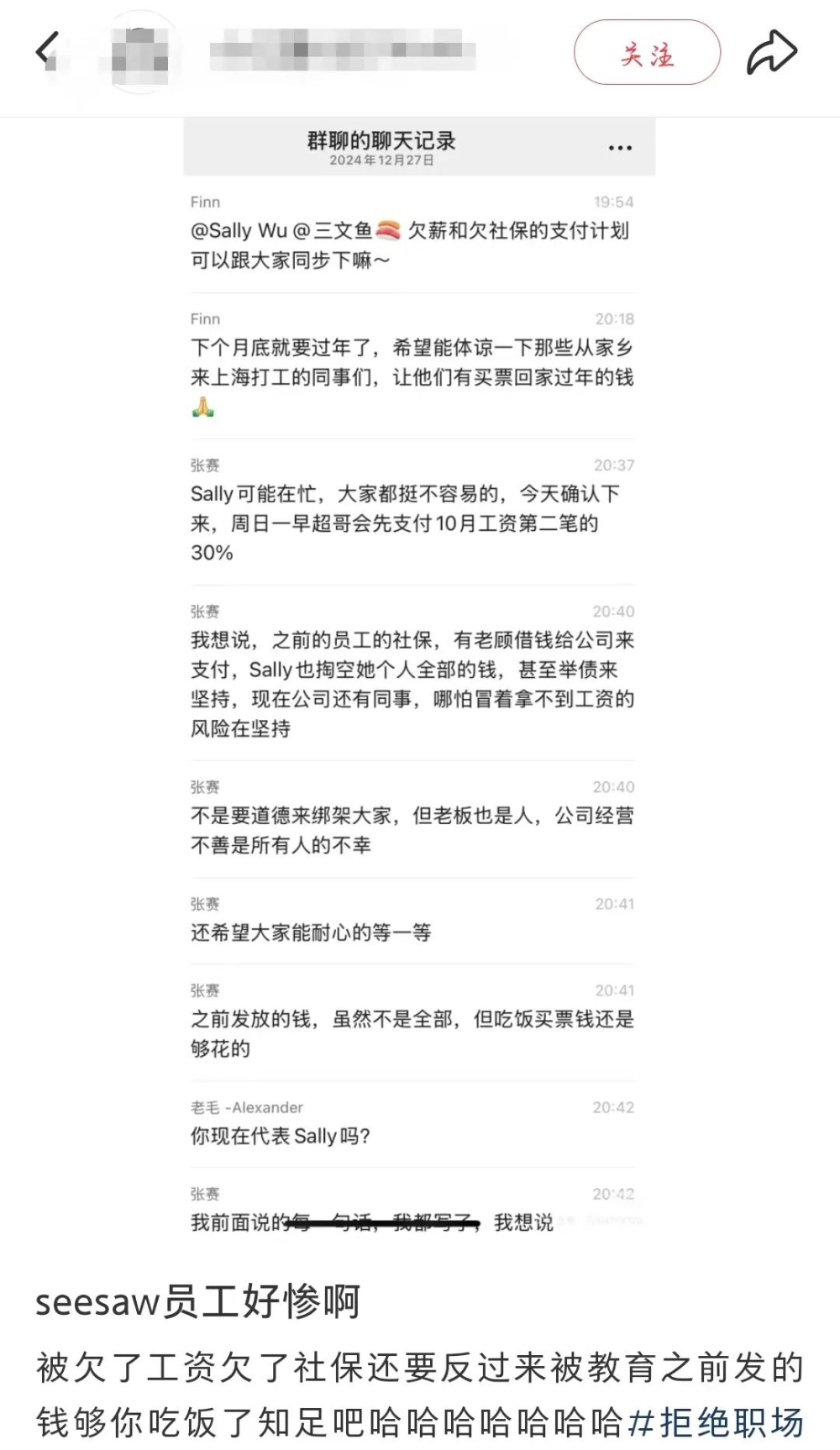
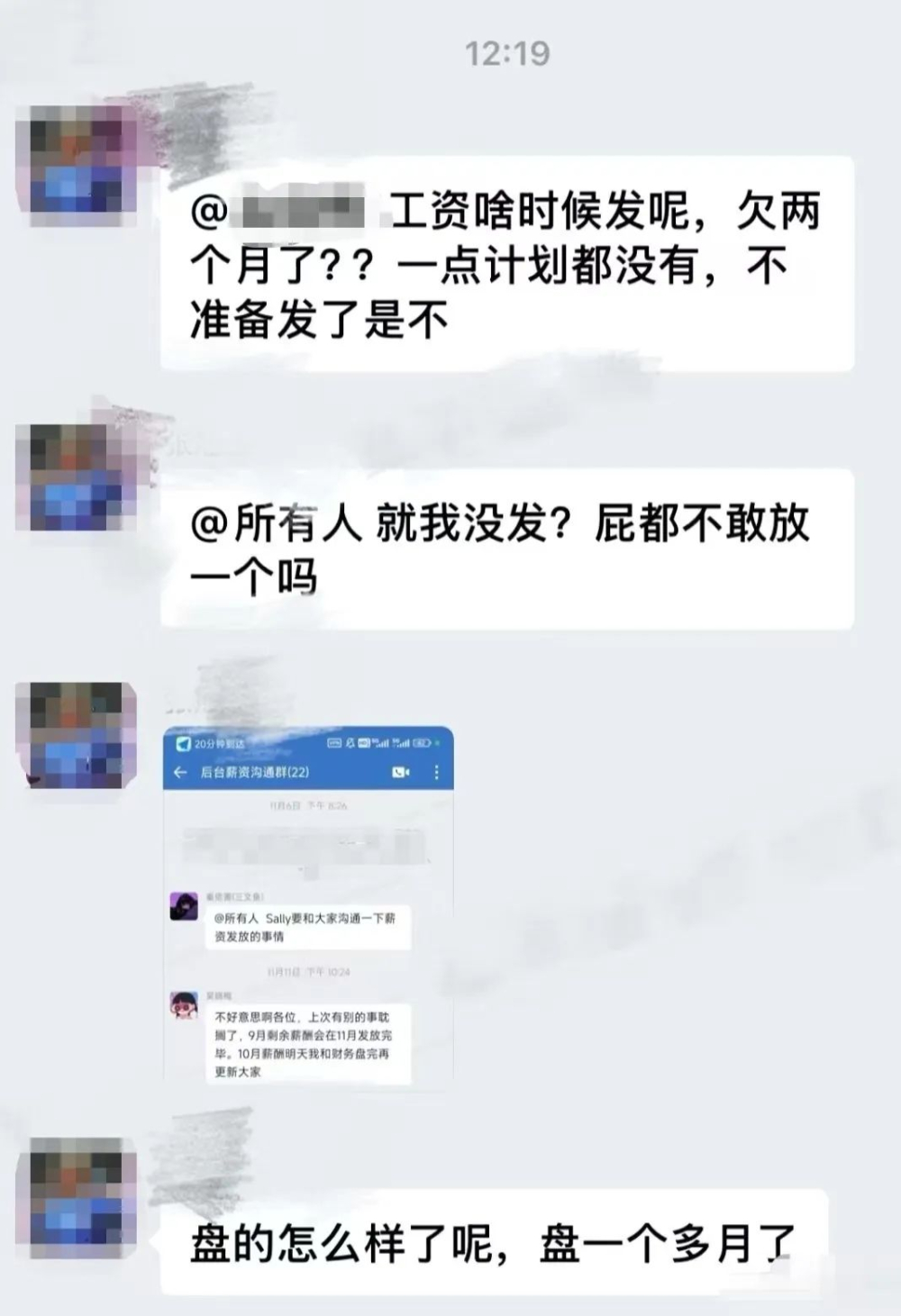
Recently, a discussion circulating on social media about employees of the well-known specialty coffee brand Seesaw being owed wages and social insurance has sparked widespread concern among industry insiders and consumers. According to exposed group chat records, employees publicly accused the company of withholding two months’ worth of salaries, while management promised to pay in installments and explained that the company was facing operational difficulties. Notably, "Zhang Sai" mentioned in the conversation is believed to be a director of Seesaw, while "Sally" is speculated by netizens to be the founder Wu Xiaomei.
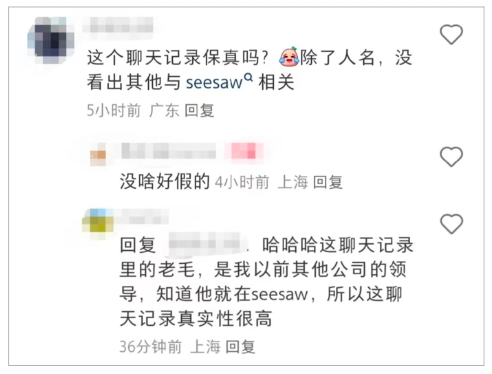
After the chat records were leaked, many netizens expressed shock. One comment read: “Seesaw employees have it so rough—they’re not only owed wages and social insurance, but also get lectured that the money they previously received was enough to eat, so they should be grateful.” Although some users questioned the authenticity of the records, as early as November last year, media reports indicated that Seesaw employees revealed internally that the company had delayed salary payments and only paid social insurance and housing fund contributions up to June. At that time, the brand did not officially respond to these allegations.
A deeper look into the company’s legal records reveals that Seesaw is currently involved in at least 19 legal cases, the vast majority of which are contract disputes, highlighting significant supply chain and financial pressures. Meanwhile, some users on social platforms pointed out that Seesaw’s last remaining store in Chongqing—the Guanghuan store—has quietly ceased operations, marking the brand’s official exit from the Chongqing market. This move has further deepened public doubts about its business condition.
Faced with a string of negative news, observers suggest that Seesaw may be experiencing a cash flow crisis, preventing it from fulfilling its financial obligations to employees and suppliers on time. Without sufficient operating capital, not only are employee salaries affected, but daily store operations and expansion plans are also inevitably constrained.
However, some consumers and netizens maintain a more optimistic outlook. They point out that although in November last year, Seesaw’s founder faced market concerns due to consumption restrictions, those restrictions were lifted by the end of November. Then, in December, Seesaw’s first store in Changsha opened smoothly, and according to feedback from local customers, store operations are stable and product quality remains at a certain standard. This development leads some market observers to believe that the brand may not be in as dire straits as outsiders speculate.
Regardless of the actual truth, Seesaw’s journey—from once being regarded as a model of China’s specialty coffee scene to now facing labor disputes and legal battles—has been a disheartening trajectory. Many consumers who once supported the brand can’t help but lament that this coffee brand, which once symbolized taste and innovation, is now also struggling to withstand the test of operational challenges.
Industry insiders point out that although the specialty coffee market has expanded rapidly in recent years, competition is equally fierce. In addition to facing pressure from international chains, domestic brands must also strike a balance between product innovation, cost control, and customer experience. The case of Seesaw serves as a reminder to the industry that even amid market booms, sound financial management and transparent corporate communication remain the cornerstones of sustainable brand operations.
The above content is compiled by CoffeeHunters, a coffee news website.


