







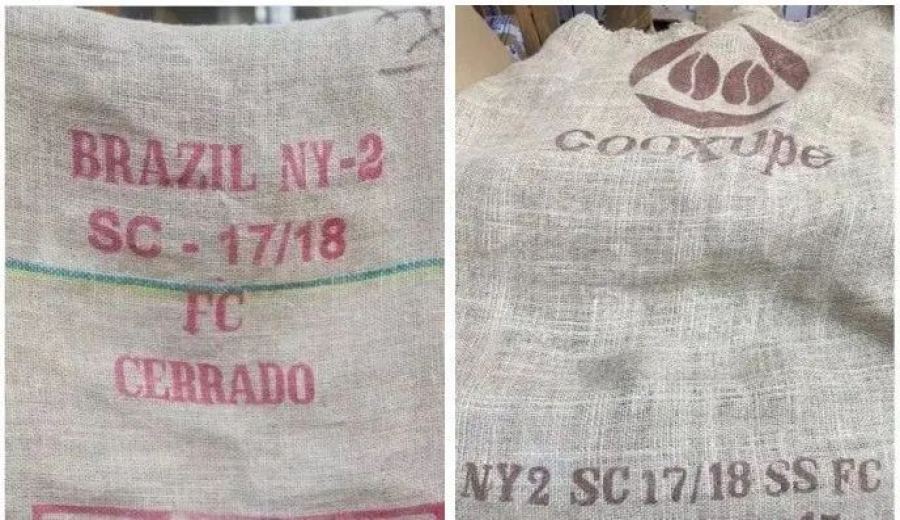
Introduction:Brazil is the world’s largest coffee producer, but its green bean grading labels can be puzzling. This article dives deep into the codes found on Brazilian green bean packaging—such as "CERRADO NY-2 SC-17/18 SS FC"—to explain how information like region, defect rate, screen size, and cupping grade influence flavor and value. It also addresses why there’s no NY1 grade and offers practical brewing tips to help you select and brew high-quality Brazilian coffee.
On Brazilian coffee sacks, you often see codes like "CERRADO NY-2 SC-17/18 SS FC." Though they may look complex, these are official Brazilian green bean grading details that include key data such as region name, defect grade, bean size, cupping score, and sensory evaluation. This grading system is regulated by Brazil’s Ministry of Agriculture, Livestock, and Supply (MAPA), and is highly valuable for import-export trade and roaster bean selection.
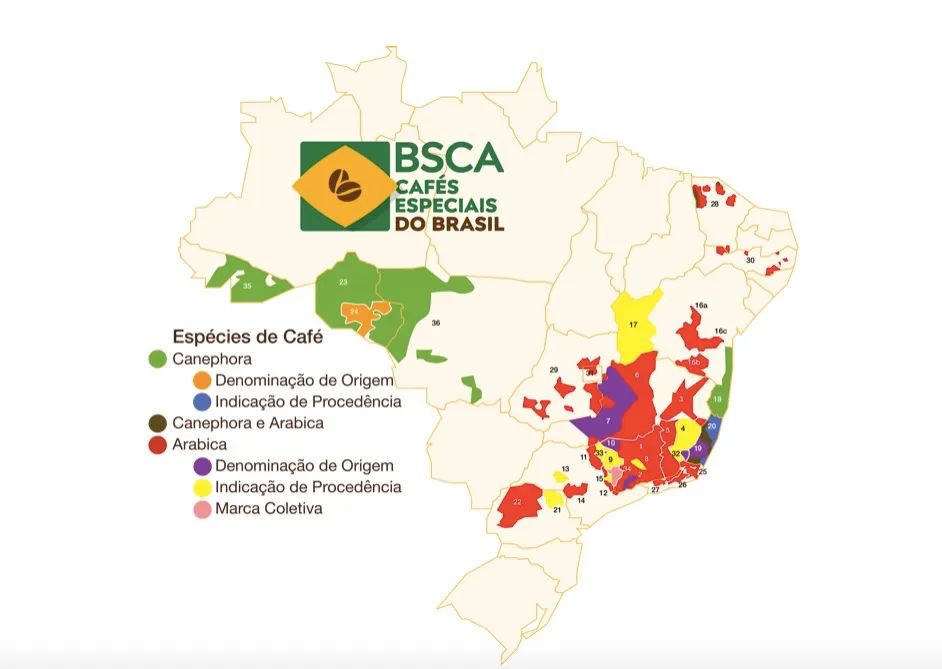
First, the "CERRADO" in the code refers to the region—the famous Cerrado Plateau in Brazil, known for its stable production and neutral flavor profile. In the past, Brazil often used state names to define regions, but with the rise of specialty coffee and increased consumer demand for traceability, it has now been subdivided into well-known sub-regions like Mogiana (MOGIANA) and South Minas (SUL DE MINAS). Additionally, some sacks also indicate the export port, such as "SANTOS," which means the beans were shipped from the Port of Santos.
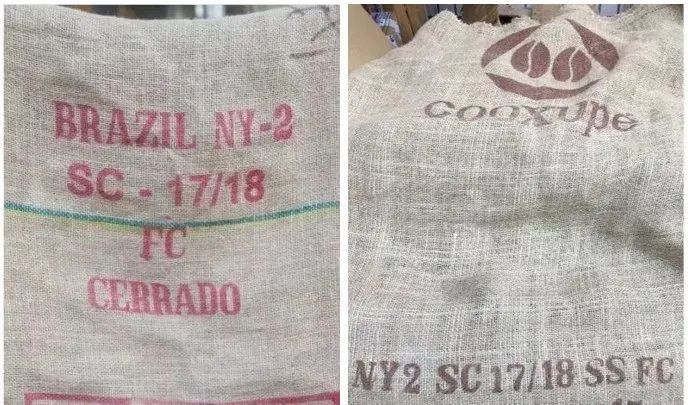
Regarding defect grading, the "NY2" in the code is key. This grading system is inherited from the New York Coffee Exchange (hence the “NY”), and other producing countries use different systems—for example, Ethiopia uses "G1" and Kenya uses "AA" to denote their top grades. However, Brazil’s highest grade is only "NY2," with no "NY1." According to official standards, a 300g sample of green beans is taken, and defects are counted to determine deductions; the fewer the defects, the higher the grade. The sequence goes 2, 2/3, 3, 3/4, 4, and so on—the smaller the number, the better the quality. Since Brazil considers it practically impossible to achieve completely defect-free green beans, "NY1" has never been established.
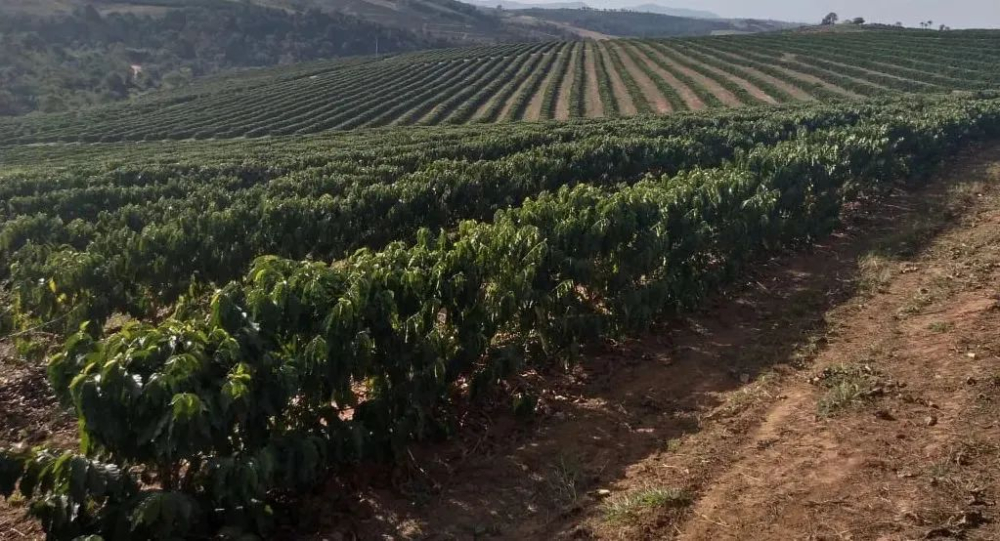
Most Brazilian coffee is grown on the central and southern plateaus at altitudes of around 1,000 meters, which is suitable for large-scale mechanized operations, giving Brazil the highest global production capacity. However, even in some high-altitude areas (1,000–1,400 meters) where manual harvesting is used, it’s still hard to completely avoid defective beans—this is why NY1 has never been adopted. This also reflects the industry focus in Brazil on stable yield and consistent flavor profiles.
After defect grading comes the "SC," which stands for screen size classification—that is, the sizing of coffee beans. The most common screen sizes in Brazil are 17/18, though 16/17 or higher 19 sizes also exist, though the latter are very rare. Generally, larger coffee beans help ensure more even roasting and have a positive impact on subsequent extraction.
The green beans also undergo cupping, scored according to the Specialty Coffee Association (SCA) standards. The scores are divided into seven levels, with 85 points and above classified as "Strictly Soft (SS)," representing premium quality; 80–84 points are rated as "Soft (S)," also considered high-quality. This step directly influences the final flavor expression and market positioning.
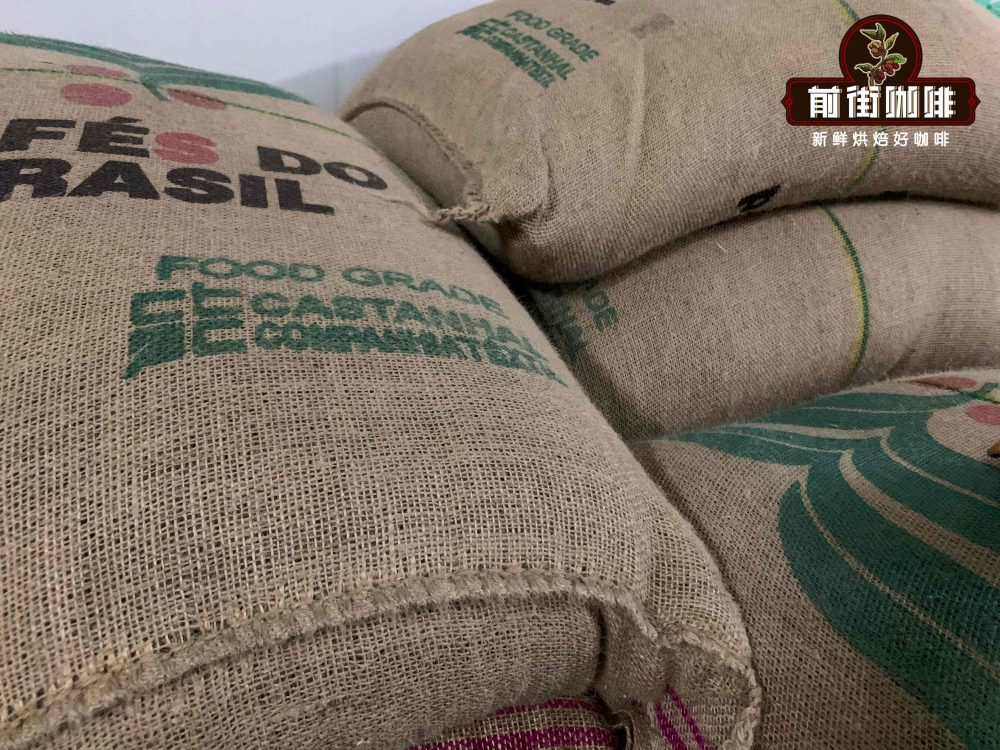
Finally, there’s the cup quality grade, which includes six tiers: Fine Cup (FC), Good Cup (GC), Fair Cup, and others, with FC and GC being the most common. FC stands for "Fine Cup," indicating a brighter and more balanced flavor profile—it’s the grade most favored by roasters and consumers.
Although Brazilian coffee may not have the standout flavors of African beans or certain Central and South American origins, and its acidity is relatively low, it boasts high production volume, affordable pricing, and a rich base note of chocolate and nuts. Its flavor is bold and stable. For this reason, it’s often used in espresso blends to reduce cost while adding body and a smooth, sweet aroma to espresso shots.
If you want to recreate a professional-grade Brazilian espresso at home, here are the reference parameters: use a double basket, with a recommended coffee dose of 20 grams, aiming for 40 grams of extracted liquid, for a 1:2 brew ratio. Keep the extraction time between 26–32 seconds—too short may result in underdeveloped flavors, too long may lead to over-extraction and burnt, bitter notes. The grind size is recommended to be around Galuileo 2.0, fine-tuned based on actual flow rate. Before extraction, remember to wet the portafilter to improve extraction uniformity. Lock in the portafilter and start extraction, monitoring the liquid weight and time. Stop the shot when you reach 40 grams and about 30 seconds—that’s your balanced, rich Espresso.
If you want to turn it into an Americano, it’s recommended to add hot water at a 1:5 ratio. This preserves the aroma of the espresso while creating a smooth, layered taste that’s perfect for everyday enjoyment.
The above content is compiled by CoffeeHunters, a coffee news website.


