







Introduction:Want to dive deeper into the world of coffee? This guide will unravel the mysteries of coffee terminology—from common English abbreviations to the origins and nicknames of the three main coffee species (Arabica, Robusta, and Liberica). It helps beginners quickly grasp the basics, making it easier for you to choose coffee beans or communicate with fellow enthusiasts.
Just like every industry has its own jargon, the coffee world is no exception, filled with a variety of specialized terms. While these terms help professionals communicate effectively, they can be a significant barrier for newcomers. Without understanding their meanings, it’s not only hard to follow relevant discussions but may also affect your integration into the coffee community.
To help everyone more easily step into the world of coffee, this article will thoroughly explain common coffee terminology, including the origins of nicknames for the three major commercial coffee species, the meanings of frequently used English abbreviations, and core words like “body” that describe coffee flavor and mouthfeel. Whether you’re a beginner or an enthusiast looking to fill knowledge gaps, you’ll benefit greatly and improve your ability to discuss coffee.
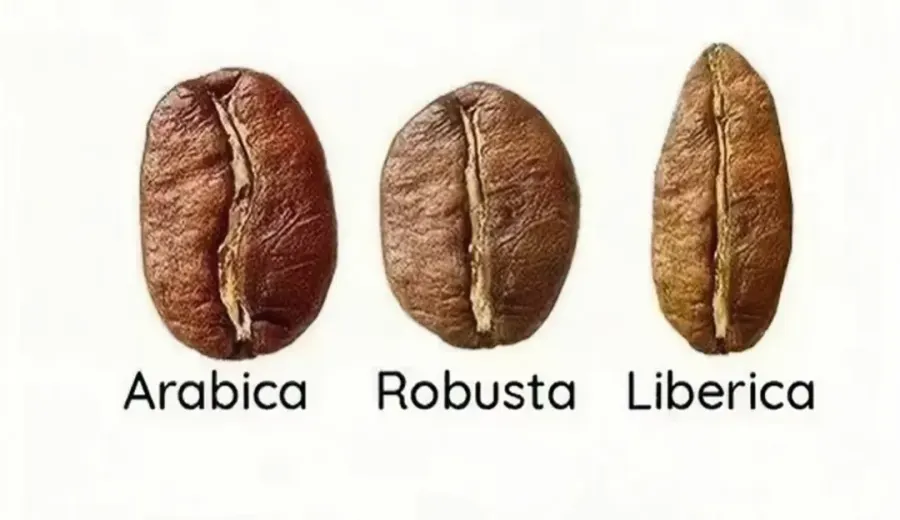
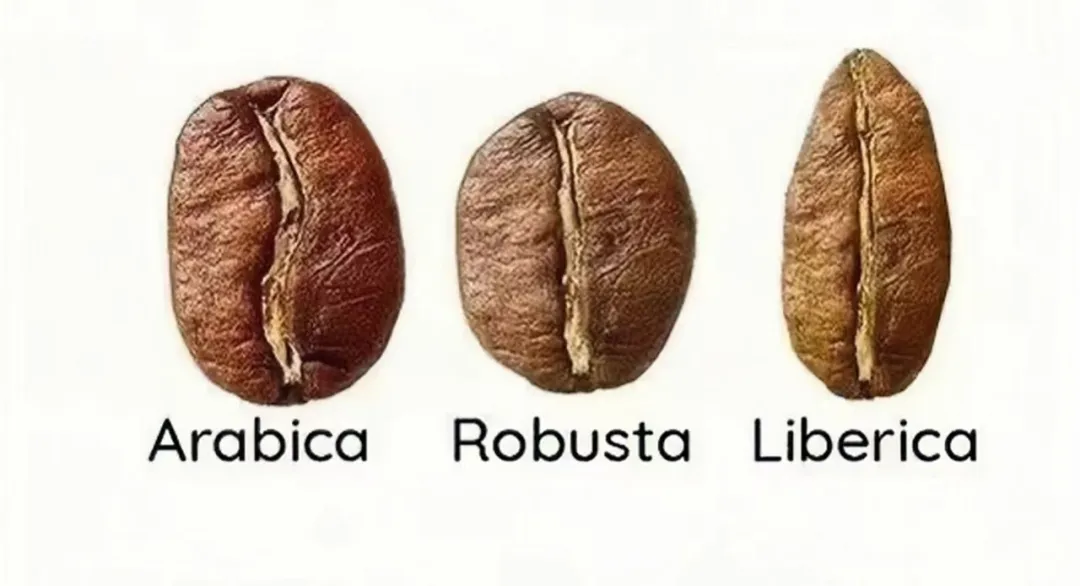
First, let’s talk about the three main coffee bean varieties. In daily life, you might have heard the terms “small-bean variety,” “medium-bean variety,” and “large-bean variety.” These are actually common names for the three main commercial coffee species. They correspond to: small-bean variety refers to Arabica, medium-bean variety refers to Robusta, and large-bean variety refers to Liberica (also called Liberian).
This naming method originated from people simplifying classification based on the appearance and fruit size of these three coffee plants for everyday communication. For example, Arabica coffee cherries are relatively small, hence called “small-bean variety”; Robusta cherries are medium in size, thus named “medium-bean variety”; while Liberica cherries are usually larger, so it’s called “large-bean variety.”
Understanding these nicknames can not only help you quickly grasp product information when buying coffee beans, but also allow you to more precisely express your preference for a certain type of coffee when talking to others. For instance, many specialty coffee lovers prefer Arabica because it often has richer aroma and acidity, whereas Robusta, with its higher caffeine content and bolder flavor, is commonly used in instant coffee or espresso blends to add intensity and crema stability.
Moreover, as you delve deeper into the coffee world, you’ll inevitably encounter many English abbreviations, such as AA, AB, SHB, HB grading labels—terms used by the industry to distinguish coffee quality and processing altitude. For example, “SHB” stands for Strictly High Grown, typically meaning the coffee was grown at higher altitudes, resulting in denser beans and often more refined flavors. “AA” is commonly seen in regions like Kenya, representing the highest grade in their classification system, usually indicating beans that are plump and have low defect rates.
Mastering these common English abbreviations can help you more accurately choose coffee beans that suit your taste preferences, and also make it easier for you to understand origin information or roaster descriptions.

Beyond variety nicknames and English abbreviations, professional terms describing coffee flavor and mouthfeel are also essential for every coffee enthusiast. For example, “body” refers to the weight and thickness of coffee in the mouth—some describe it as the difference between milk and water, where coffee with heavier body tastes richer and more “substantial.” Meanwhile, “acidity” is often misunderstood as “sourness,” but it actually refers to the bright, refreshing acidity in coffee, similar to the crispness of citrus or berries, and is an important characteristic of many high-quality Arabica coffees.
These flavor descriptors not only help you more clearly articulate your experience of a cup of coffee, but also allow you to make more suitable choices when selecting beans based on your personal taste preferences. For example, if you like light, fruity-acidic coffee, you might look for high-altitude, lightly roasted Arabica beans; if you prefer rich, full-bodied flavors, medium-to-dark roasted Robusta or certain regional Arabicas could be great options.

In summary, understanding coffee terminology not only helps you integrate into the coffee community more quickly, but also assists you in making smarter decisions during bean selection, brewing, and tasting. Whether you’re a beginner or already an experienced coffee lover, this knowledge will be a practical tool in your exploration of the coffee world.
Remember, the charm of coffee lies not only in its flavor, but also in how we, through language and knowledge, come to better understand and appreciate the story behind each cup.


The above content is compiled by CoffeeHunters, a coffee news website.


