







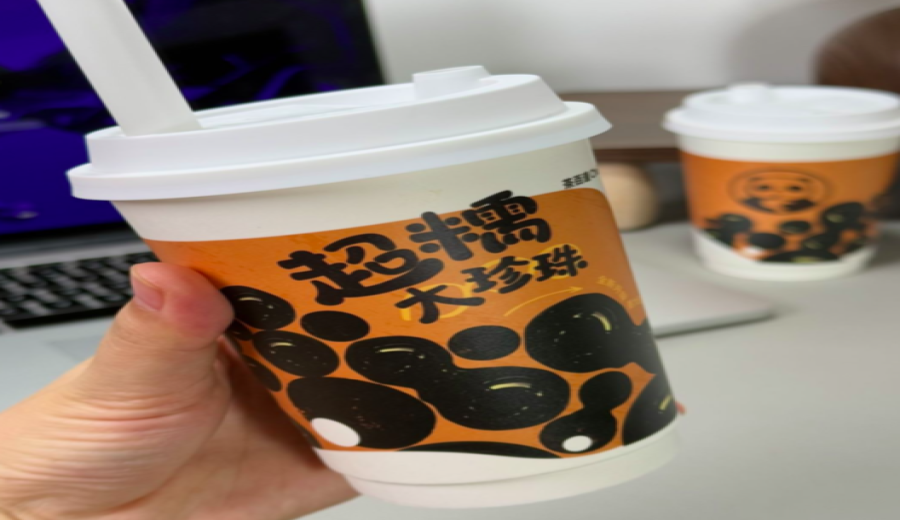
Introduction:Tea Bingdao’s newly launched “Hand-Fried Brown Sugar Pearl Fresh Milk” has sparked heated discussions with its gimmick of on-site fried brown sugar pearls, attracting many consumers eager to try it out. However, this milk tea, which emphasizes the live-frying process, has received polarized reviews due to issues with pearl texture and quality control. This article takes an in-depth look at the actual production process of the hand-fried pearls, explores the sources of quality controversies, and offers tips on selection and tasting to help consumers approach this innovative product more rationally.
Tea Bingdao recently introduced a new product in its stores called “Hand-Fried Brown Sugar Pearl Fresh Milk,” with its standout feature being the scene of back-of-house staff flipping and stir-frying pearls in a hot wok. This image, uploaded to social platforms, quickly garnered widespread attention, with many netizens surprised to find that employees originally responsible for making drinks were now taking up spatulas to become “chefs,” personally “hand-frying” brown sugar pearls for customers.
For milk tea lovers who enjoy pearls, brown sugar pearls have always been a classic pairing, and those that are freshly fried and coated in rich syrup are even regarded as an “upgraded version” in the world of pearls. As a result, this new product successfully attracted a large number of consumers upon launch, all eager to experience a different pearl texture.
However, as the first wave of consumers began trying it, reviews quickly became sharply divided. Some customers praised the soft, chewy texture of the pearls with a hint of caramelized aroma, even expressing willingness to buy again; yet many others were deeply disappointed, saying the pearls tasted overly soaked, overly puffed up, and some even detected a disinfectant-like off-flavor in the pearls.
According to feedback on social platforms, the controversy mainly centers around three aspects: first, the quality of the semi-finished pearls themselves; second, inconsistent quality control across different stores due to varying preparation techniques; and third, whether the live-frying process can truly deliver a substantial improvement in taste.
From the production processes shared by some staff members, the so-called “hand-frying” step is actually limited to quickly stir-frying pre-cooked and frozen semi-finished pearls in pre-made brown sugar syrup, ensuring the surface is evenly coated. While this process may appear lively and engaging, the elasticity and texture of the pearls are largely determined during earlier stages of production.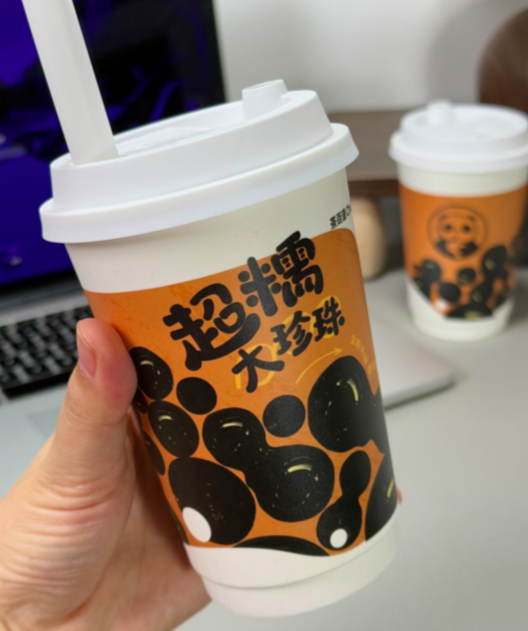
Industry insiders point out that the final texture of the pearls depends greatly on the quality of raw materials and the initial cooking process. If the semi-finished pearls used by the stores lack elasticity or have been stored for too long, even coating them in thick brown sugar syrup cannot mask their underlying flavor deficiencies. Additionally, some consumers suspect that improper handling—such as over-soaking the pearls in syrup or inadequate storage conditions—may lead to off-odors.
Notably, although the brand provides a standardized production procedure, actual execution still heavily relies on the experience of on-site staff. Factors such as the duration of frying, the control of syrup temperature, and even the uniformity of stirring the pearls in the syrup can affect the final texture and flavor. This level of human involvement is also one of the key reasons for the noticeable differences in quality among various stores.
In response to these quality concerns, many netizens believe that while the live-frying technique can create a sense of freshness and generate buzz, failing to ensure consistent basic quality can easily lead to consumer disappointment. Some have even suggested that if the brand wishes to balance innovation with maintaining its reputation, it should prioritize strengthening raw material selection and semi-finished product management, rather than relying solely on eye-catching on-site operations.
Based on overall feedback, for consumers wanting to try this new product, it is recommended to choose stores with higher popularity and more stable reviews, and to consume the pearls as soon as they are fried—while the syrup is not yet fully solidified—to get the best possible texture experience. If any obvious off-odor or abnormal texture is detected, consider giving feedback to the staff to help the brand continuously improve product quality.
In summary, while Tea Bingdao’s hand-fried brown sugar pearl fresh milk has successfully created buzz through marketing and visual presentation, there remains a gap between its actual quality and consumer expectations. Future improvements in supply chain management and standardized production procedures may be necessary for this innovative product to truly gain market recognition.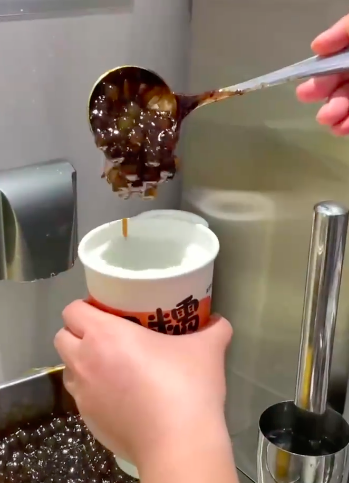
The above content is compiled by CoffeeHunters, a coffee news website.


