








Introduction:Plant-based milk coffee has become a trend, but soy milk—a familiar beverage in China—rarely appears on café menus. Can soy milk and coffee truly pair well? This article explores the possibilities through practical testing, using the golden ratio of 1:5 (40ml espresso paired with approximately 200ml soy milk) to craft a latte. We delve into the flavor characteristics of soy milk lattes, key preparation considerations, and uncover the real reasons why cafés seldom use soy milk, offering insight into the potential of this innovative drink.
In recent years, plant-based milk coffee has taken the world by storm, with alternatives like oat milk and almond milk becoming common options in cafés. Yet, soy milk, hailed as a national beverage, has yet to win favor among coffee shops. Why does this equally protein-rich drink seldom appear on latte menus? Is it due to flavor clashes or other hidden factors? Through professional testing, we replace milk entirely with soy milk to make a classic latte, analyzing everything from ratio adjustments and taste performance to practical challenges.
The popularity of plant-based milk stems largely from its lactose-free nature, allowing those who are lactose intolerant to enjoy the frothy coffee experience. Common alternatives such as premium-priced oat milk upgrades have proven there is market demand. But interestingly, among the many plant-based options, soy milk—the one most familiar to Taiwanese people—is notably absent. In fact, by definition, soy milk made from soybeans and water fully qualifies as a plant-based milk. What kind of flavor synergy might emerge from this combination of “soy beverage + coffee”?

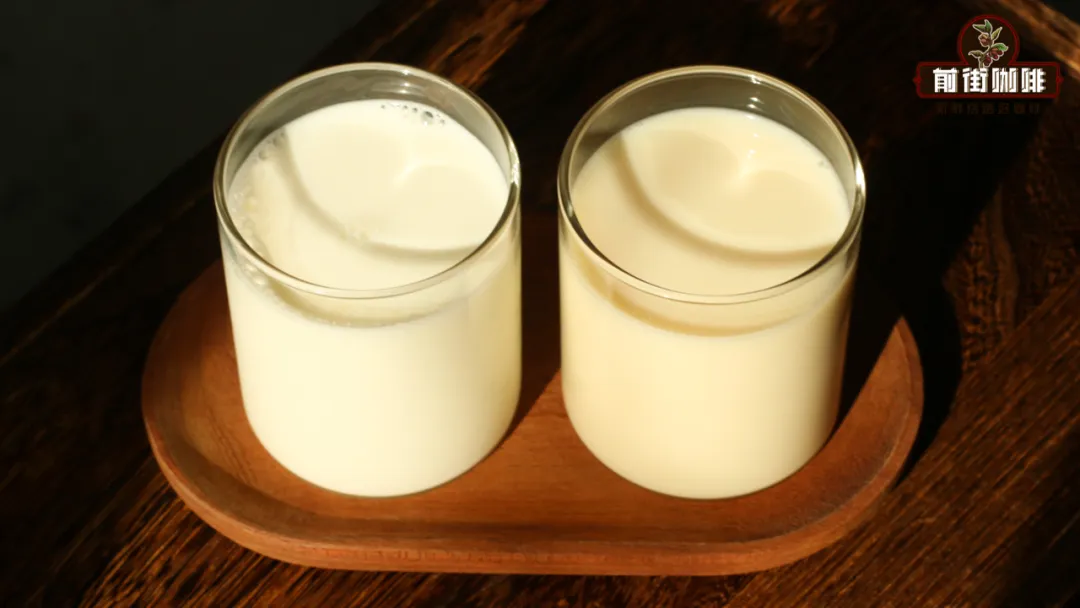
To test feasibility, we simulated a standard café-style latte recipe, usingthe 1:5 golden ratio—namely, 40ml of espresso paired with about 200ml of soy milk. This ratio helps maintain the drink’s layered texture while highlighting the unique flavors of soy milk.It’s important to note that soy milk itself has a relatively strong aroma,and practical testing found its taste impact can even surpass that of commonly used oat milk. It’s recommended to choose an unsweetened, unflavored basic variety to avoid additional sweetness interfering with the coffee’s natural flavor.
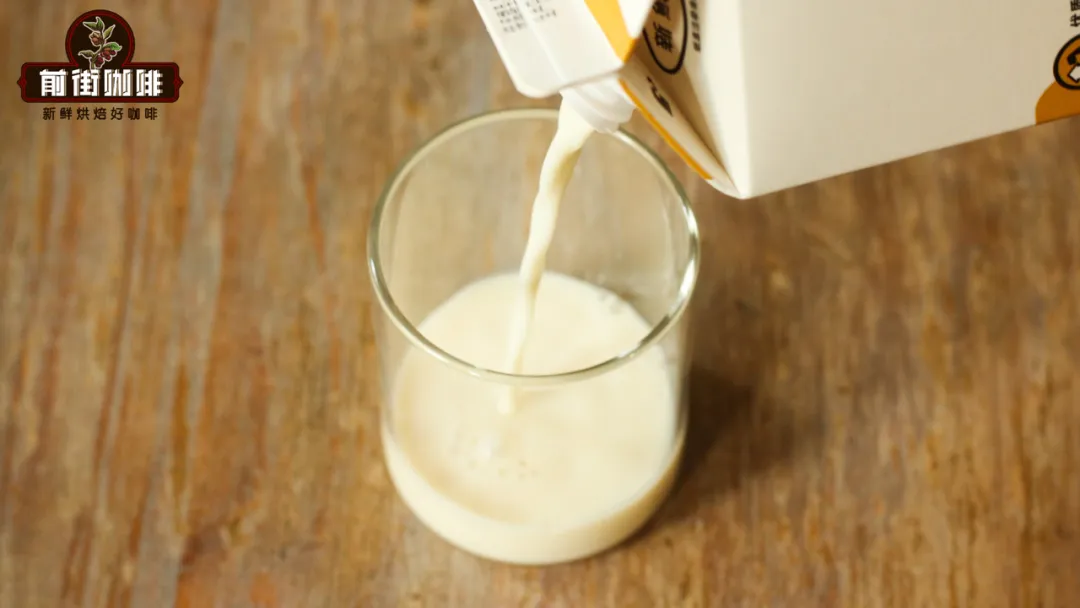
From actual tasting experiences, the soy milk latte presents a unique balance between the bean’s aroma and the bitterness of coffee.In terms of texture, soy milk has slightly less foaming ability than milk,with poorer foam stability. When using a steam wand, it’s advised to control the temperature between 60–65°C to avoid overheating, which can cause the soy milk to separate. For home preparation, you can use chilled store-bought soy milk and shake it well in advance to ensure even ingredient distribution.

An in-depth analysis of why cafés rarely use soy milk can be summarized in three points: First, both soy milk and coffee possess strong inherent flavors, and pairing them can create a battle for dominance on the palate. Second, soy milk’s unique protein structure can produce a beany off-flavor when subjected to high temperatures. Third, from a business perspective, soy milk has a shorter shelf life and requires strict temperature control, increasing operational costs. These technical hurdles lead most café owners to opt for more stable choices like oat milk or almond milk.
For home brewers, we recommend trying a “progressive blending” method—starting with 30% soy milk mixed with 70% milk to get accustomed to the flavor, then gradually adjusting the ratio. The optimal drinking temperature is suggested to be maintained at 55–60°C, a range that highlights the soy aroma without masking the characteristics of the coffee. For a smoother mouthfeel, adding a small amount of plant-based cream (around 5ml) can enhance creaminess, though total calorie intake should still be monitored.
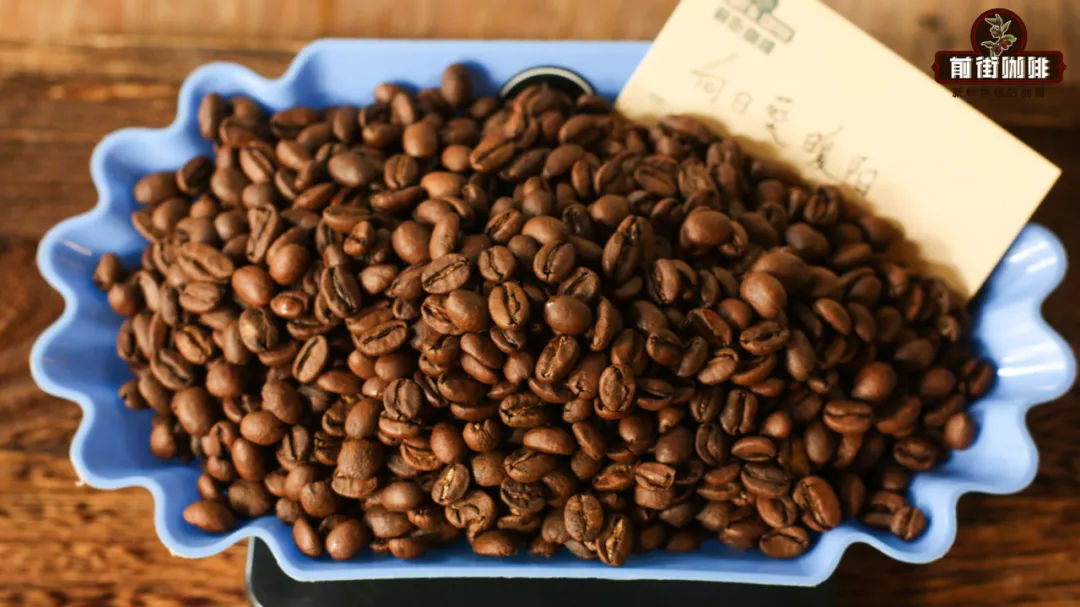
This test confirms that soy milk can indeed serve as an innovative base for coffee. Although its texture differs from the traditional smoothness of milk-based lattes, its unique bean aroma offers a new dimension to the coffee experience. The key lies in mastering the correct ratio and preparation techniques.It’s recommended that first-time users choose a medium-to-dark roasted blend,whose rich body better complements the mellow qualities of soy milk. Be sure to use freshly ground coffee powder and control the extraction time between 25–30 seconds to achieve the best flavor balance.
In conclusion, while soy milk lattes may not be a regular café offering, they hold practical value as a home brewing option or alternative for special dietary needs. Through this detailed parameter analysis and hands-on sharing, we hope to provide coffee enthusiasts with another possibility in the realm of plant-based milk coffee. The next time you only have soy milk on hand, why not challenge yourself with this East-meets-West coffee creation using a scientifically tested ratio?
The above content is compiled by CoffeeHunters, a coffee news website.


