







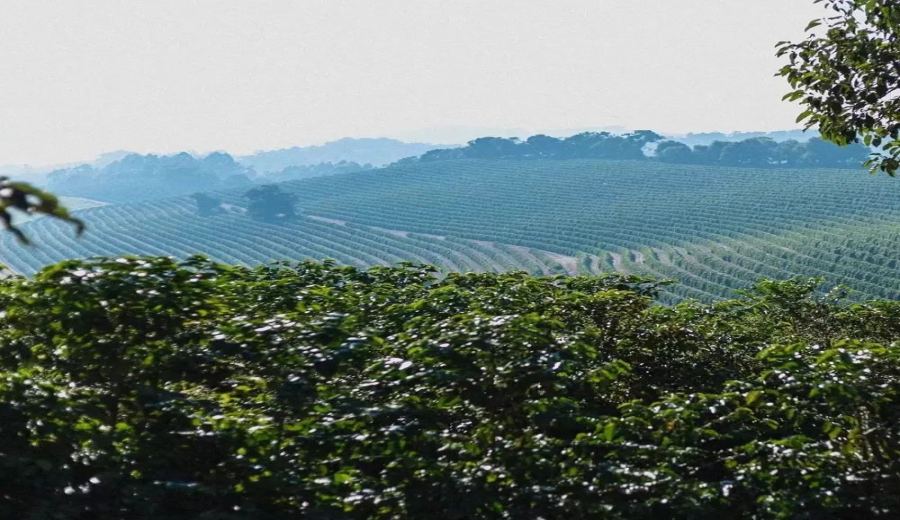
Introduction:Brazilian coffee has long held the top spot in global production and serves as an essential foundation for many espresso blends. This article delves into why Brazilian beans have become the mainstream choice for blends, exploring factors such as regional environments, production advantages, and industrialized farming methods. It also introduces you to the Yellow Bourbon specialty beans from Fazenda Rainha in the Mogiana region, analyzing their unique sweetness and nutty profile, as well as recommended roasting and brewing approaches.
As the country with the highest global coffee output for over 150 consecutive years, Brazil contributes approximately one-third of the world’s coffee beans annually. Not only is its production volume large, but Brazilian coffee is also valued for its consistent quality and flavor, playing a key role in many espresso blends. For example, out of six espresso blends launched by one brand, five include Brazilian beans, highlighting their importance.
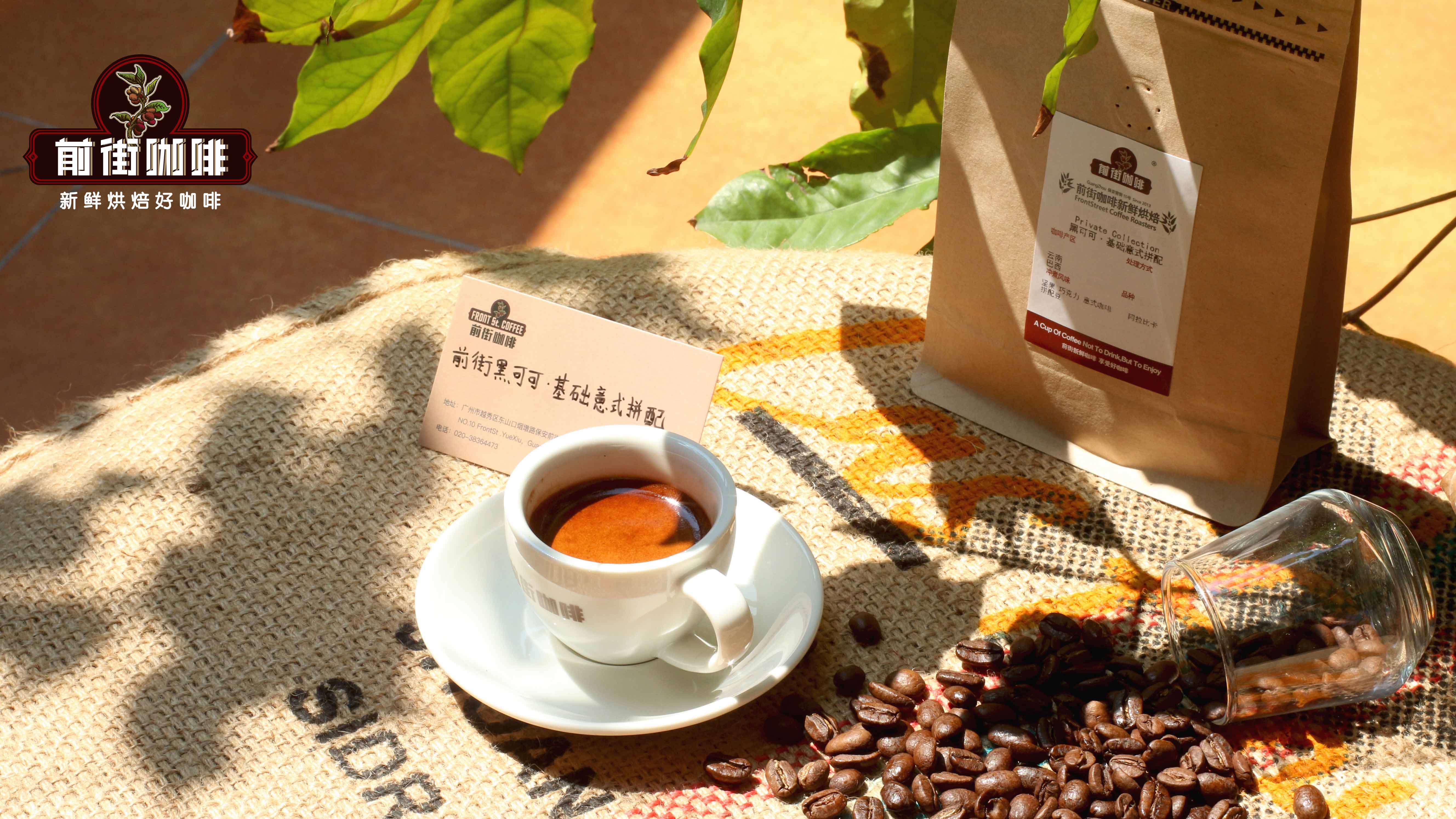
For those looking to experience the distinctive characteristics of Brazilian flavor, options like the Dark Cocoa-based blend—suitable for both beginners and enthusiasts—are an excellent choice, composed of Yunnan small-bean and Brazilian Red Bourbon. This blend delivers a rich aroma of cream and nuts, with a soft acidity and a chocolatey sweetness in the aftertaste. Whether brewed as Americano or Latte, it offers a mild and balanced taste.
The frequent use of Brazilian beans in blends is due to several reasons, includingtheir stable supply, relatively affordable pricing, as well asa consistent flavor profile. Their flavor wheel features typical traits of American coffee, dominated by cocoa and nuts, with a mellow aroma that forms a solid foundation for the cup.
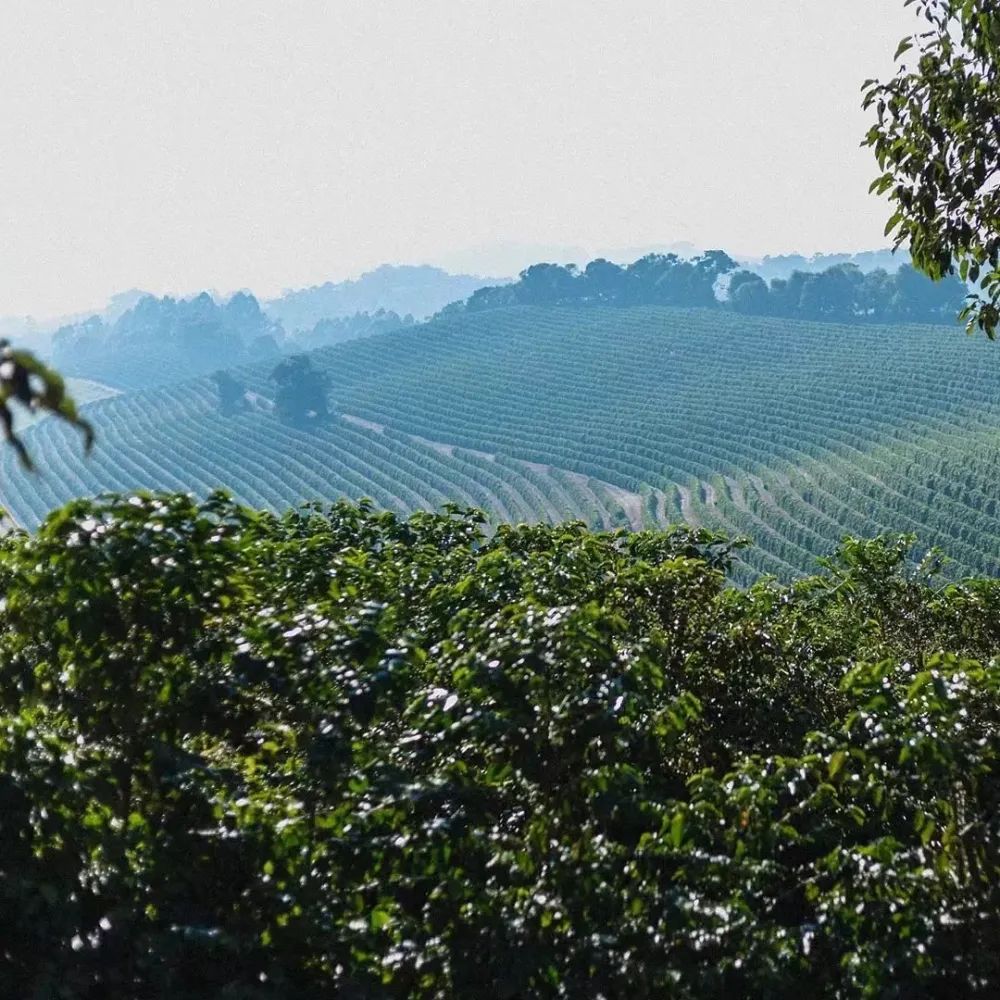
This stable and large-scale output is inseparable from Brazil’s geographical environment. As the largest country in South America, Brazil has 26 states, 17 of which grow coffee, with main production areas concentrated in the central and southern highland regions at altitudes of around 1,000 meters. The flat terrain and favorable climate make it highly suitable for large-scale agricultural operations.
Compared to neighboring coffee-producing countries, Brazil’s scale of cultivation is unmatched. Many coffee farms are vast and commonly employ advanced mechanization, along with large automated irrigation systems, providing stable water and nutrients to coffee trees. This has established Brazil as the most industrialized and modernized major coffee-producing nation in the world.
However, due to the generally low altitude of most production areas, flat terrain, and lack of significant microclimates or shaded environments, Brazilian coffee beans do not emphasize bright fruit acids and floral notes like some high-altitude regions. Instead, their typical flavor profile is characterized bylow acidity, prominent nutty and cocoa notes, and a rich, full-bodied mouthfeel, making them highly suitable as base beans in espresso blends.
In addition to producing large quantities of commercial-grade coffee beans, Brazil has in recent years placed increasing emphasis on the quality and technological development of specialty coffee. Numerous farms and industry organizations have invested resources in improving green bean quality and conducting breeding research. Among these, the Campinas Agronomic Institute (IAC) has long been dedicated to genetic research and breeding of coffee varieties, exerting global influence in sustainable development and genetic improvement.
As the inaugural host country of the Cup of Excellence (COE), Brazil is also home to many high-quality specialty coffee farms, mostly located in higher-altitude mountainous regions such as Mogiana (Alta Mogiana), Cerrado, and Sul de Minas. Due to terrain limitations, large-scale mechanical harvesting is not feasible in these areas, and hand-picking is predominant, helping preserve higher-quality coffee cherries.
The specialty coffee beans introduced in this article come from Fazenda Rainha in the Mogiana region. This farm has consistently achieved outstanding results in domestic and international coffee evaluations and is renowned for producing high-quality Yellow Bourbon varieties, while also committing to environmental protection and sustainable farming practices.
Bourbon variety coffee is known for its sweetness and balanced flavor, and Yellow Bourbon is a particularly unique mutation. While regular Bourbon coffee cherries turn from green to red upon ripening, Yellow Bourbon cherries exhibit a distinct yellow color. This color difference stems from genetic expression, where dominant genes produce red berries, recessive genes yield yellow berries, and in rare cases, orange berries may appear.
Yellow Bourbon was first discovered in the 1930s. Subsequent research found that Yellow Bourbon grown at high altitudes, due to sunlight conditions and growth environment, accumulates abundant fructose, often showcasinga richer sweetness and a juice-like mouthfeel. This variety has repeatedly ranked in the top three of Brazil’s Cup of Excellence competition, attracting widespread attention in the specialty coffee community.

Thanks to the high-altitude environment, Yellow Bourbon coffee beans are denser and rich in sugars. In terms of roasting strategy, to highlight the distinctive mellow base of Brazilian coffee while bringing out the natural sweetness of the Bourbon variety, a medium-dark roast is recommended. With proper roasting, this Fazenda Rainha Yellow Bourbon coffee, when brewed, delivers a distinct fruity sweetness, complemented by aromas of sugarcane, chocolate, and nuts. The bitterness is light and clean, with an overall delicate and smooth mouthfeel.
For coffee lovers who prefer low acidity and enjoy nutty and chocolatey profiles, this Yellow Bourbon specialty bean from Mogiana, Brazil, is an excellent choice for exploring the depth and specialty potential of Brazilian flavors. Whether brewed via pour over or used as an espresso base, it showcases its unique layers and aromatic expression.
The above content is compiled by CoffeeHunters, a coffee news website.


