







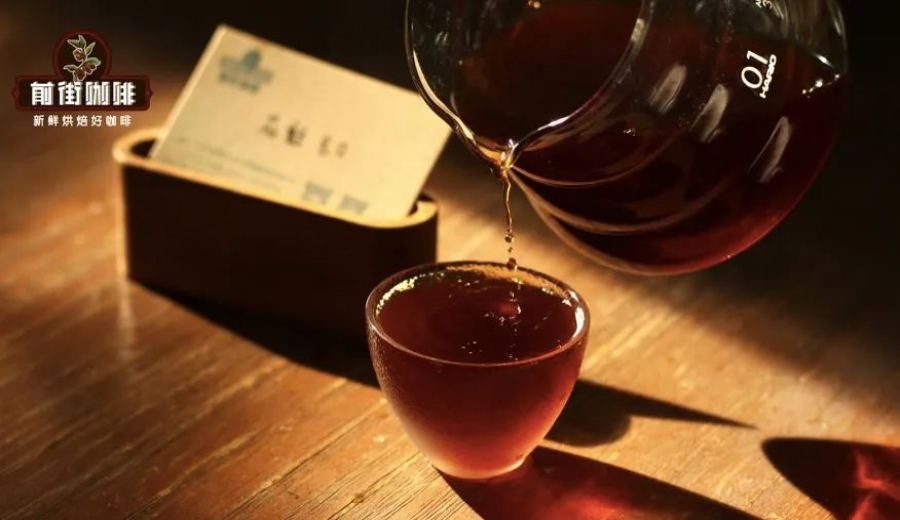
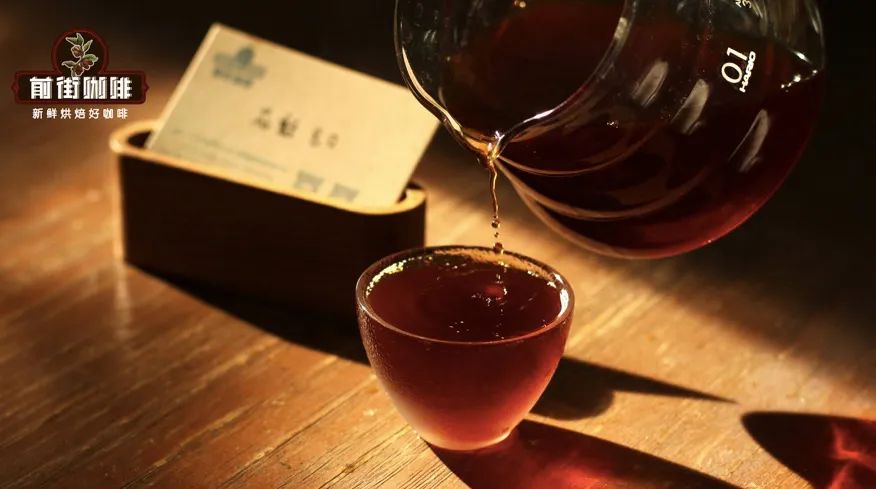
Introduction:As a representative natural-processed coffee bean from Ethiopia's Guji Hambella region, the Huakui coffee bean has been released up to its 8th batch since winning the championship in 2017. This article delves into the regional background, naming origin, and batch evolution of Huakui, analyzes its tropical fruit flavor characteristics, and shares brewing recommendations and flavor profiles under light roasting to help coffee enthusiasts gain a more comprehensive understanding of this popular bean variety.
In recent years, Huakui coffee beans have garnered significant attention in the specialty coffee community, with batches now reaching up to the 8th. Many consumers mistakenly believe it is an independent coffee variety, but in fact, Huakui is a natural-processed coffee bean from Ethiopia’s Guji region, specifically the Hambella sub-region. After winning the natural category championship at the TOH (Taste of Harvest) green coffee competition in 2017, this bean was named "Huakui" by a Chinese green coffee importer, symbolizing the “queen of flowers,” and gradually rose to prominence in the international market.
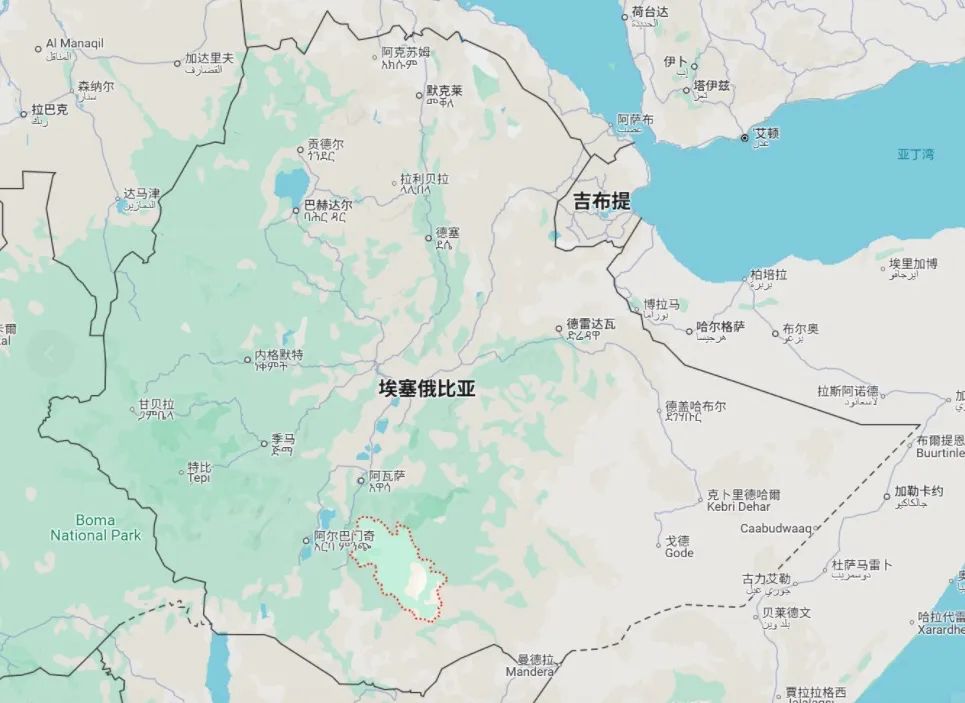
When it comes to Ethiopian coffee, Huakui is undoubtedly one of the most representative names in recent years. From its debut to the present, it has entered its 8th year, or “Huakui 8.0.” Many coffee enthusiasts are curious about which specific area of Ethiopia this uniquely flavored coffee bean comes from. The answer is the Guji region, located in the southern part of Ethiopia within the Oromia state. This area features diverse terrain, including mountains, valleys, and plateaus, with altitudes generally exceeding 1,800 meters. Coupled with significant diurnal temperature variations and a pristine forest environment with minimal human intervention, the fertile volcanic soil creates ideal conditions for cultivating high-quality coffee.
The Guji region, like the renowned Yirgacheffe region, was originally part of the larger Sidamo administrative zone. It wasn’t until 2010, following a reclassification by the Ethiopia Commodity Exchange (ECX), that Guji gained official recognition as an independent region due to its distinctive and consistent flavor profiles. Guji encompasses several well-known sub-regions, including Hambella, Shakiso, and Uraga, among which Hambella is the birthplace of Huakui coffee.
Hambella is a remote area, separated from Yirgacheffe to the west by the Kochere mountain, and bordered by other Guji sub-regions on the remaining three sides. Coffee here is grown at elevations ranging from 2,100 to 2,300 meters. The high altitude combined with dense forests not only provides natural shading but also allows fallen leaves to serve as a natural nutrient source for coffee trees, resulting in pronounced fruity aromas and complex flavor potential.
In 2017, during the TOH green coffee competition organized by the African Fine Coffees Association, DW Company (DW COFFEE EXPORT) submitted a natural-processed coffee bean from Buku Abel washing station in Hambella. This bean, with its intense berry aroma and creamy-smooth mouthfeel, won the natural category championship of that year. Initially, based on origin information, it was simply labeled as a “Hambella” natural from Guji. Later, a discerning Chinese green coffee importer, impressed by its outstanding flavors, named it “Huakui,” meaning “the queen of flowers,” and introduced it to the Chinese market, where it quickly gained widespread acclaim.
It’s worth mentioning that in the same year, during the China leg of the World Brewers Cup, Beijing competitor Li Jianfei used this Huakui coffee bean in the competition. Defeating several then-popular Geisha (Gesha) coffees, he ultimately secured second place, further boosting the reputation of Huakui among both industry professionals and consumers.
As Huakui’s fame grew, DW Company, in response to increasing market demand, established additional processing facilities in Dimtu town, the heart of the Hambella production area, and began sourcing coffee cherries from surrounding villages to produce subsequent batches of the “Huakui” series. However, as coffee is an agricultural product, its quality can be influenced each year by multiple factors such as climate, rainfall, soil nutrients, and processing conditions. As a result, even beans from the same region and washing station can exhibit flavor differences from year to year.
To distinguish the quality and flavor characteristics of different years and batches, the Huakui series has been named using the format “Huakui X.0” since 2017. For example, 2018 was “Huakui 2.0,” and so on, up to the latest release, “Huakui 8.0.” This naming approach not only helps consumers understand the batch but also tracks the series’ annual evolution.
Ethiopian coffee is generally known for its bright acidity and multi-layered flavors. Huakui, processed via the natural method, enhances its fruity expression, often featuring notes of berries, tropical fruits, and subtle fermentation aromas. In terms of roasting recommendations, most specialty roasters opt for a light roast to preserve its delicate floral and fruity nuances. Once brewed, Huakui reveals vibrant flavors of tropical fruits such as mango and citrus, with a juice-like body and a soft black tea-like aftertaste. The overall profile is richly layered and balanced, making it an excellent choice for pour over enthusiasts who appreciate distinct fruitiness and complexity.
The above content is compiled by CoffeeHunters, a coffee news website.


