







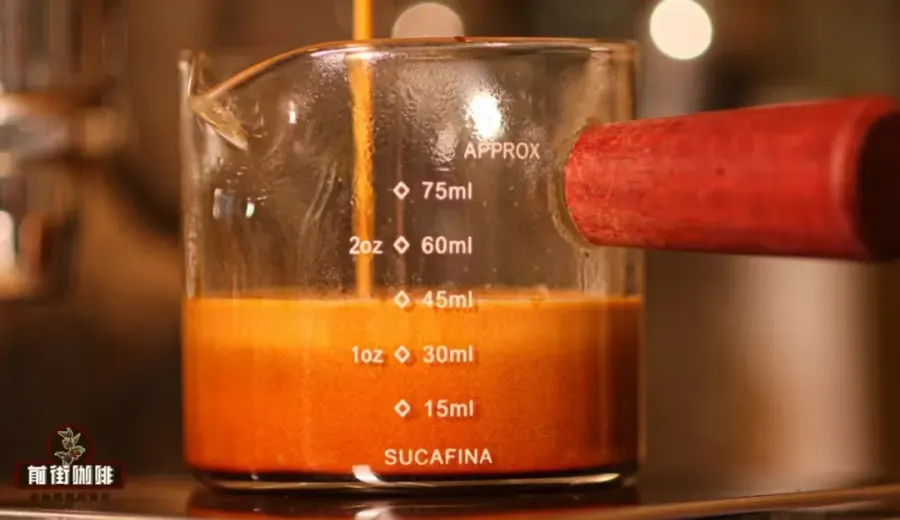
Introduction:The crema on the surface of an espresso shot is not only important for aesthetics but also serves as a key indicator of quality. When you notice that your espresso lacks that enticing golden-brown foam, it may be due to incorrect grind settings or imbalanced extraction parameters. This article delves into the science behind crema formation, explores common reasons for thin crema in dark roasted beans, and provides practical grind adjustment steps and formulas to help you precisely master the extraction process and consistently achieve an ideal crema layer.
During espresso extraction, the fine, dense layer of crema on the surface is often seen as a sign of a successful shot. This golden-brown foam not only enhances visual appeal but also contains rich aromas and flavors. However, many coffee enthusiasts often encounter thin or even completely absent crema, especially when working with dark roasted beans. What causes this phenomenon, and how can adjustments be made to restore an ideal crema presentation?
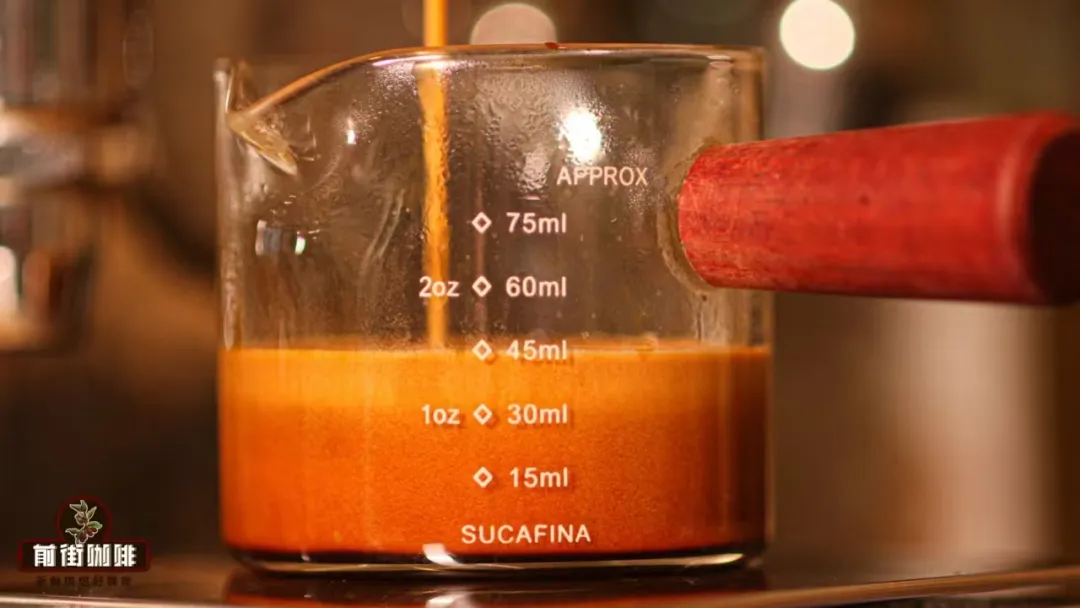
To solve this mystery, we first need to understand the nature of crema. It is primarily composed of carbon dioxide and lipids released from the coffee beans, forming a stable foam layer under high-pressure extraction. Light roasted beans, which undergo less fermentation, contain relatively less carbon dioxide, so their crema is usually thinner — this is normal. But if you're using dark roasted beans rich in carbon dioxide and still fail to extract a thick crema, the issue is likely related to grind size and extraction parameter settings.
One of the most common mistakes is using a grind that is too coarse.When coffee particles are too large, the density of the coffee puck significantly decreases.Even if you apply significant tamping pressure, hot water can still easily pass through the coffee bed. In such cases, the flow rate becomes unusually fast, preventing the espresso machine from generating the necessary 9 bar pressure — a critical factor in crema formation.
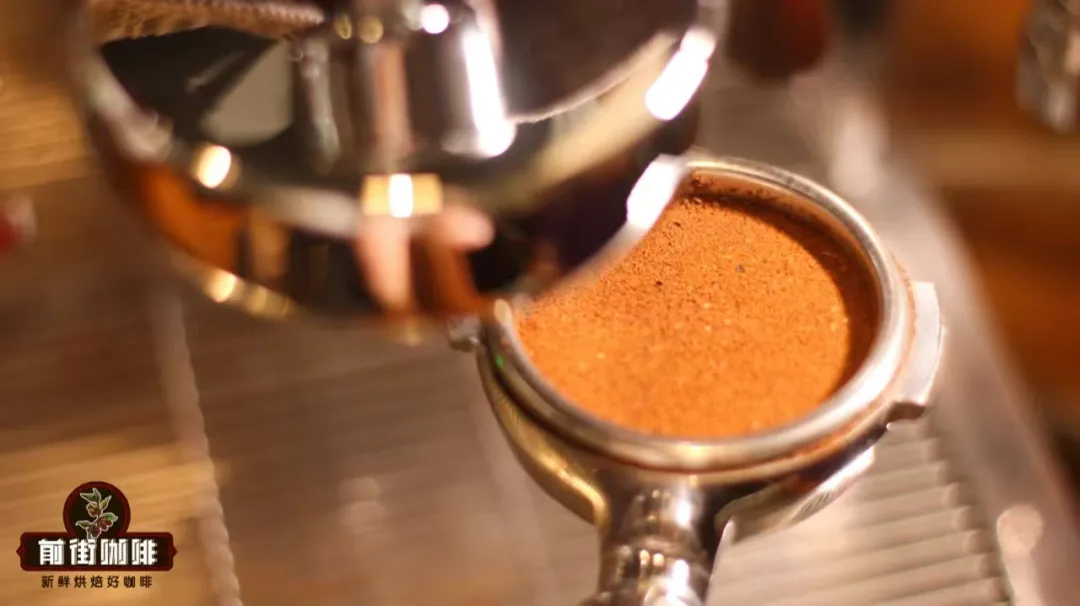
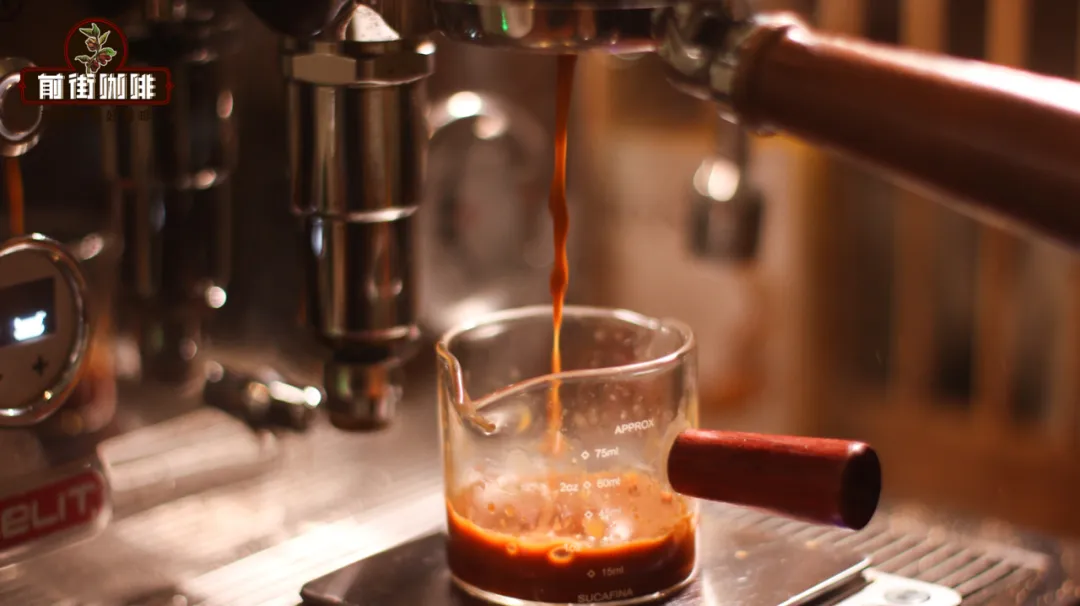
In practice, this issue is often overlooked. Many baristas tend to stick to a fixed set of grind settings, ignoring the subtle daily variations in the condition of the coffee beans. For example, one day 20 grams of coffee grounds might yield 40 milliliters of espresso in 32 seconds; yet the next day, under the same conditions, it could take just 20 seconds. Such a noticeable difference in flow rate directly reflects changes in puck resistance.
When faced with excessively fast flow rates, some baristas try to adjust by increasing or decreasing the dose. While this approach can work for minor changes, it often falls short when there are significant fluctuations in bean condition. Once the portafilter basket has reached its maximum capacity, adding more coffee may actually compromise extraction evenness. In such cases, the most effective solution isto moderately fine-tune the grind to a finer setting.。
Taking the daily operations of a professional café as an example, it is recommended to use the baseline parameters of "extracting 40 milliliters of coffee with 20 grams of coffee grounds within 28 to 32 seconds." If the actual extraction time falls outside this range, grind adjustments must be made. For instance, if you find that 20 grams of coffee are extracted in just 20 seconds, adjust the grind setting 2 to 3 notches finer, and then fine-tune based on the final flavor profile. During this process, in addition to monitoring extraction time, it is also advisable to observe changes in liquid weight and taste to achieve the best balance.
Maintaining consistent crema performance requires baristas to have the ability to make real-time adjustments. It is recommended to perform standardized tests at the start of each business day, recording changes in extraction parameters for different batches of coffee beans. Also pay attention to environmental factors such as temperature and humidity, as these can alter the physical properties of the coffee beans. Through systematic observation and adjustment, you can not only address the issue of insufficient crema but also significantly improve the overall quality of your espresso.
The above content is compiled by CoffeeHunters, a coffee news website.


