







Introduction:The European Union has postponed the enforcement date of the Deforestation-Free Regulation (EUDR) to December 2025, granting Kenyan coffee exporters additional buffer time, but they still face numerous challenges. This article delves into the hurdles Kenya’s coffee industry faces in areas such as compliance, climate, logistics, and policy, and explores how these factors impact its export prospects, helping readers understand the current state and potential risks of the East African coffee supply chain.
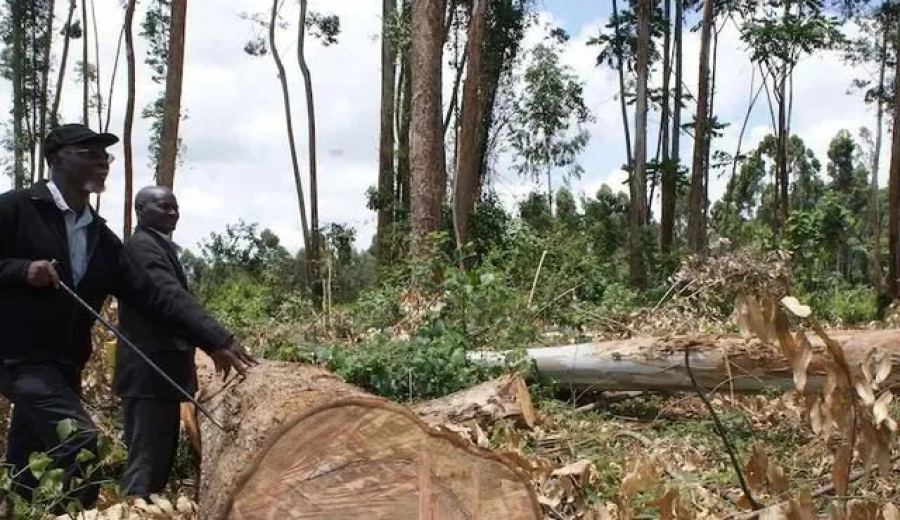
The European Parliament recently voted to delay the official implementation of the Deforestation-Free Regulation (EUDR) by one year, to December 2025. This regulation requires that all seven types of agricultural products entering the EU market—including coffee, cocoa, and timber—must be proven to have been cultivated on land that has not experienced deforestation after December 31, 2020, posing significant challenges for major exporting countries like Kenya. Although granted extra time, many Kenyan coffee exporters remain concerned about their ability to meet the EU’s high standards.
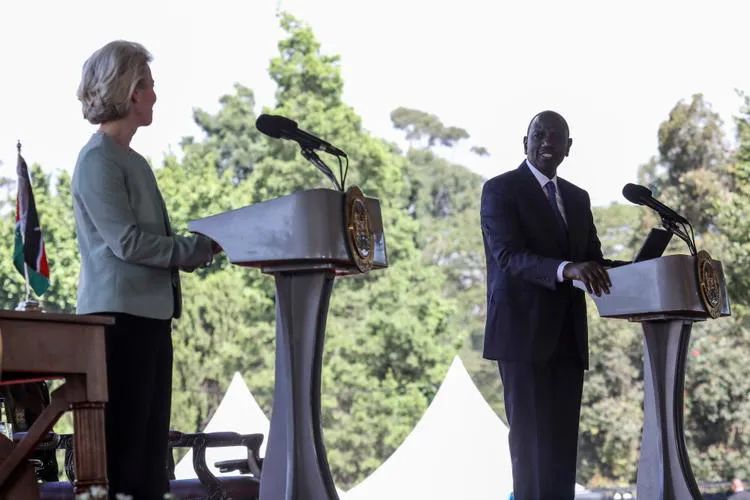
Kenya is one of the world’s important coffee-exporting nations, and the EU is its largest market, accounting for over 20% of the country’s total coffee exports. In June 2023, Kenya and the EU signed an Economic Partnership Agreement, which allows Kenyan coffee beans and other agricultural products to enter the European market duty-free. In return, Kenya must reduce import tariffs on EU products, creating a mutually beneficial relationship. However, all of this hinges on the products meeting various regulatory requirements, including the EUDR.
According to the EUDR, agricultural products exported to the EU must have traceable origins and proof that the cultivation area has not been subject to deforestation since the end of 2020. However, Kenya’s coffee industry is largely structured around a vast number of smallholder farmers, who are dispersed and have low levels of organization. Many small-scale farmers have limited understanding of the new regulations and struggle to promptly adjust their production and record-keeping processes. Additionally, the local cooperative system is not yet fully prepared to effectively support farmers in submitting the necessary data and undergoing verification.
Beyond the technical barriers to compliance, the costs incurred during the compliance process are also a major challenge. Many small and medium-sized exporters and farmers report that meeting EUDR requirements involves additional expenses for land audits, supply chain tracking, and document management, yet the relevant resources and technical support remain relatively scarce, resulting in persistently high compliance thresholds.
In recent years, the Kenyan government has attempted to drive reforms in the coffee industry—for example, by relaxing market controls and introducing the Direct Settlement System (DSS) to allow coffee farmers to receive payments in US dollars, thereby increasing their income. However, the actual results have fallen short of expectations, with some reforms even leading to sharp declines in the earnings of coffee exporters. Furthermore, the government has shut down several coffee processing factories that failed to obtain new licenses on time, including some well-known traders, forcing farmers to send their coffee to a limited number of authorized factories. This has led to insufficient processing capacity and further slowed the supply chain.
Weather conditions continue to impact coffee yields. Data shows that Kenya’s coffee production was 51,900 metric tons in 2022, but dropped to 48,700 metric tons in 2023—a decline of 6.2%. The reduced output directly affects export performance. Fortunately, following the implementation of the EUDR, European traders, concerned that other African countries might struggle to meet the standards, have ramped up their purchases in advance, leading to a recent rebound in both the volume and revenue of Kenyan coffee exports.
However, global logistics uncertainties also add volatility to Kenyan coffee exports. Due to frequent attacks on commercial vessels by Houthi militants in the Red Sea, many international shipping routes have been forced to detour around the southern tip of Africa, causing a surge in cargo volumes at Kenya’s Mombasa Port and nearby ports in Tanzania. Unfortunately, these ports generally have outdated infrastructure, lacking sufficient loading/unloading and warehousing equipment, resulting in issues such as container backlogs and shipping delays. These problems not only increase costs for traders but also weaken the competitiveness of Kenyan coffee in the international market.
Even more challenging is the ongoing rise in domestic inflationary pressures, which further drives up production and transportation costs. If, during the extended EUDR implementation period, the Kenyan government and relevant departments fail to swiftly introduce effective supporting measures to help farmers and exporters enhance their compliance capabilities, then not only will the coffee industry face severe setbacks, but other agricultural products regulated by the EUDR may also be affected, impacting the overall performance of agricultural exports.
The above content is compiled by CoffeeHunters, a coffee news website.


