







Introduction:What if you’re brewing coffee at home only to find you’ve run out of filter paper? Does that mean you have to give up? Actually, immersion brewing can be done entirely without filter paper. This method, where coffee grounds are fully soaked in water, not only has a high tolerance for error and produces richer, more rounded flavors, but also avoids the risk of over-extraction. This article uses Ethiopian Yirgacheffe heirloom beans as an example to walk through the full process of filter-free immersion brewing, explains the key differences from traditional drip brewing, and shares practical tips to achieve a clear, sediment-free cup.
Have you ever encountered this situation: just as you’re about to enjoy a pour over coffee, you suddenly realize you’ve run out of filter paper? Don’t give up just yet. While filter paper is essential for drip brewing, switching to immersion brewing can easily solve this problem. This method, where coffee grounds are fully immersed in water, not only delivers a fuller mouthfeel, but its natural extraction process also gives the beverage a uniquely rich flavor.
A common question among many coffee enthusiasts: is it really impossible to brew good coffee without filter paper? The answer is no. Although filter paper effectively filters out coffee grounds, it’s not a necessity for immersion brewing. In fact, as long as you master the right techniques, you can still brew a clear, sediment-free, delicious cup of coffee without using any filtering tools. This time, we’ll use the highly praised Ethiopian Yirgacheffe heirloom beans as an example to demonstrate how to achieve professional-level filter-free immersion brewing with just two containers and a stirring spoon.

The core of immersion brewing lies in allowing the coffee grounds to fully contact and integrate with hot water. Compared to traditional drip brewing, this method has clear advantages: as the temperature of the hot water naturally decreases over time and the concentration difference between the coffee grounds and water gradually lessens, the overall extraction efficiency steadily declines. This characteristic not only greatly reduces the risk of over-extraction, but also creates the unique rich texture and high tolerance of immersion brewing.
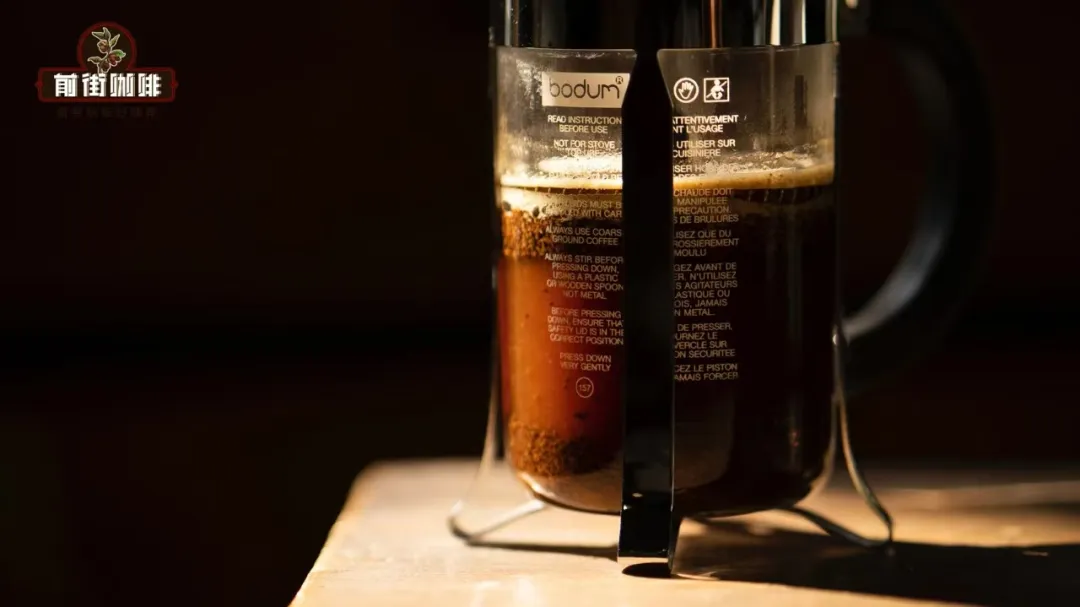
It’s worth noting that although many immersion brewing processes use filter paper or other filtering tools, their primary purpose is simply to enhance the clarity of the beverage. By precisely controlling the brewing time and using appropriate stirring techniques, even without any filtering equipment, you can still achieve satisfying extraction results. Especially for coffee lovers who pursue the original flavors and don’t like how filter paper might affect the taste, this is undoubtedly an option worth trying.
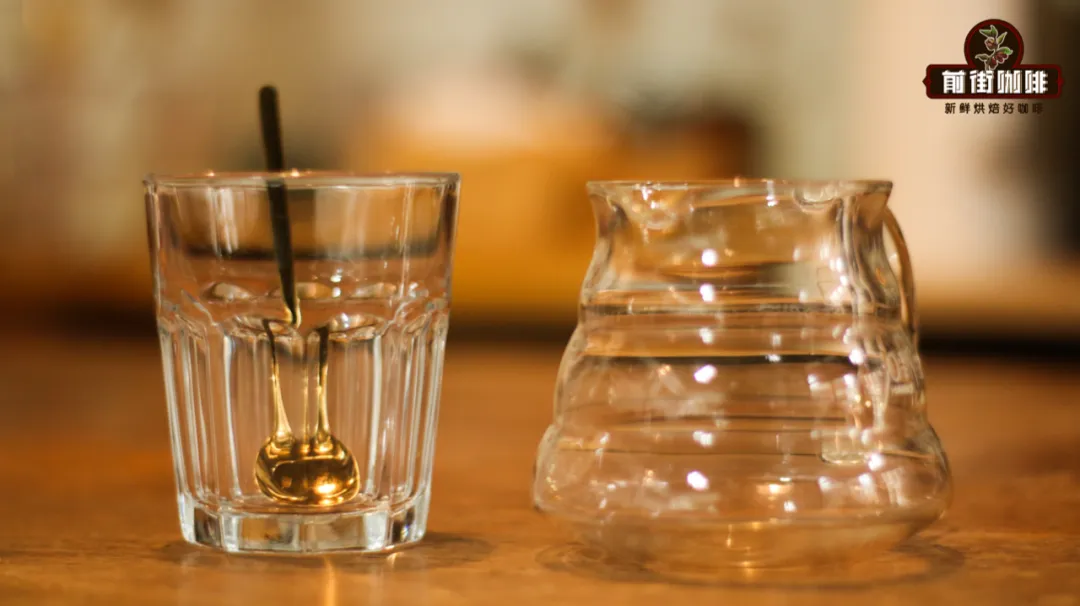
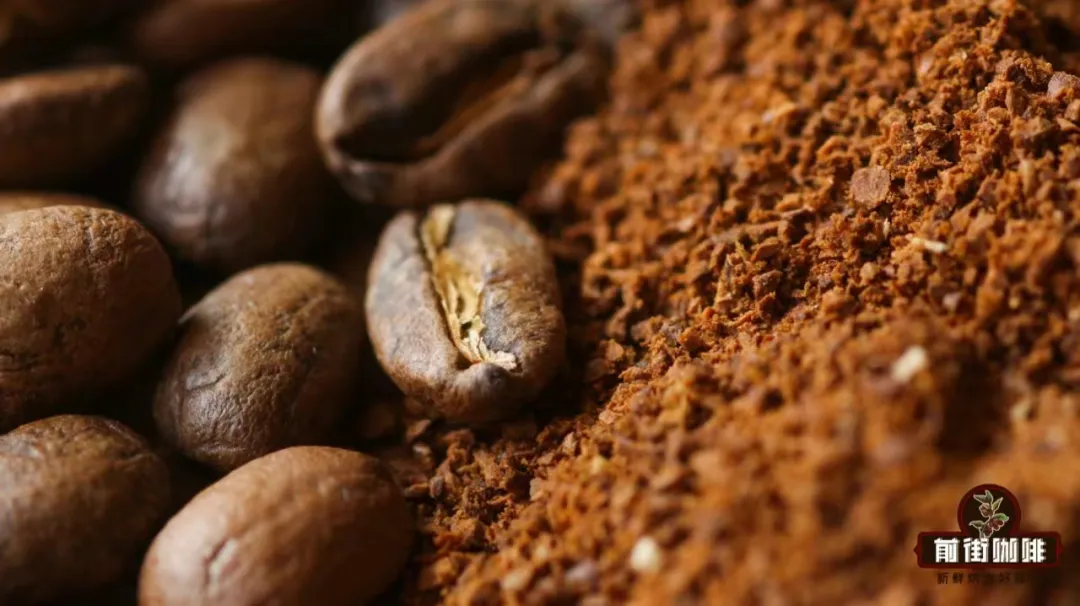
For this test, we used heirloom coffee beans from Ethiopia’s Yirgacheffe forest. These beans are known for their clean, bright acidity and rich fruitiness, making them particularly well-suited to showcasing the unique charm of immersion brewing. The required equipment is extremely simple: two containers with good drainage capabilities (it’s recommended that one of them has a spout design), and a spoon for stirring. This minimalist setup is not only easy to operate, but also allows you to focus on the enjoyment of the brewing process itself.
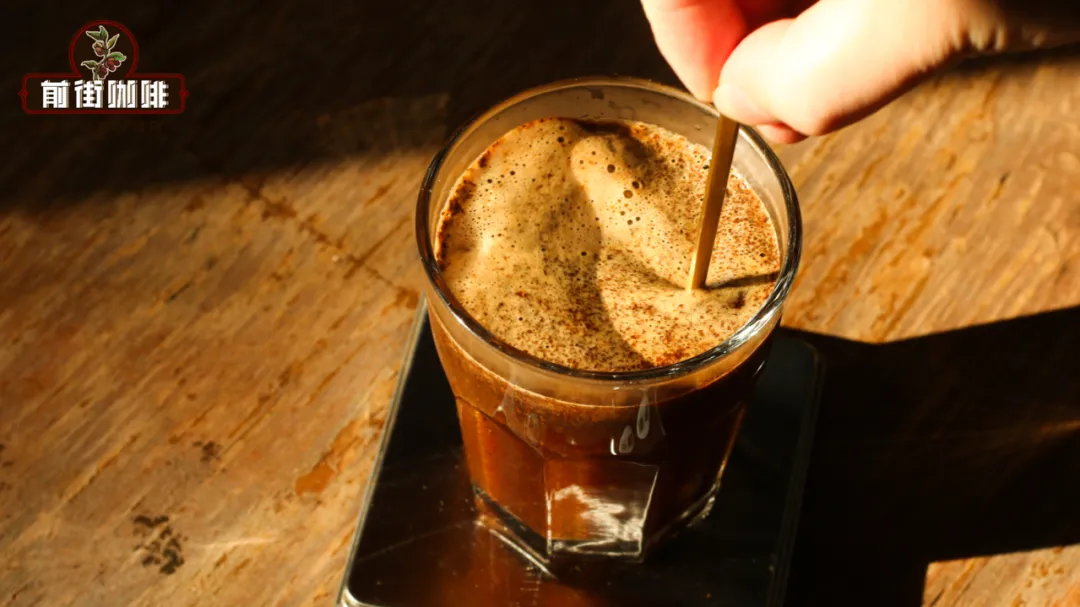
In actual operation, it’s recommended to control the water temperature between 90–93°C, which is the optimal range for brewing Ethiopian beans. The soaking time is typically set to 4–5 minutes, but can be fine-tuned according to personal taste preferences. The key technique lies in the resting phase after brewing—let the coffee grounds naturally settle for about 30 seconds before slowly pouring out the liquid, which can effectively reduce residual coffee grounds. Remember, the gentler the movement, the clearer the final result.
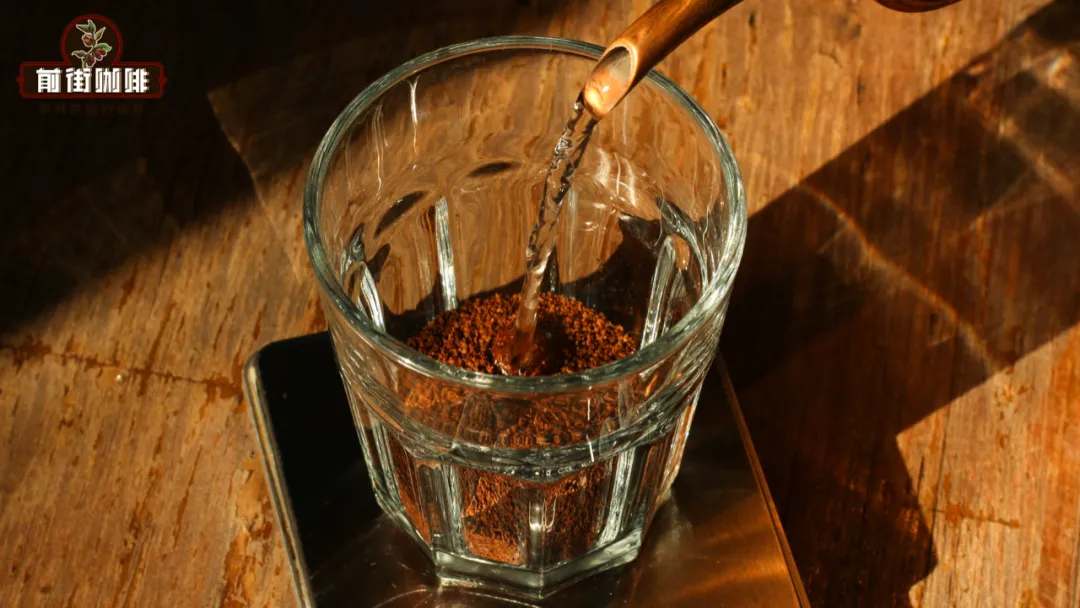
The most significant difference between immersion and drip brewing is that the former involves keeping the coffee grounds continuously soaked in hot water, while the latter relies on gravity to let water slowly pass through the coffee grounds layer. This fundamental difference leads to notable distinctions in flavor expression and ease of operation. Immersion brewing, due to its gentler extraction process, generally produces a rounder mouthfeel and lower acidity; whereas drip brewing, with its distinct extraction stages, makes it easier to control the release of flavors at each stage.
The above content is compiled by CoffeeHunters, a coffee news website.


