







Introduction:Jamaica Blue Mountain coffee is world-renowned for its rich body and finely balanced flavors, earning the title "the emperor of coffees." What exactly contributes to its unique flavor profile and exceptional quality? This article delves into the growing environment, variety characteristics, and rigorous grading system of Blue Mountain coffee, and provides an in-depth look at the No. 1 Grade Blue Mountain from the Clifton Estate in the Saint Andrew region—from washed processing to barrel transport—taking you through the meticulous craftsmanship and full flavor expression behind a cup of top-tier Blue Mountain.
Jamaica Blue Mountain coffee has long been celebrated for its intense aroma, balanced flavor, and rich body, and has been hailed as the “coffee emperor” for many years. This remarkable richness stems from a combination of natural and human factors, including the mineral-rich volcanic soil of the Blue Mountains, the significant diurnal temperature variation at high altitudes, the cultivation of the traditional Typica variety, and Jamaica’s strict regional regulations and quality grading systems.
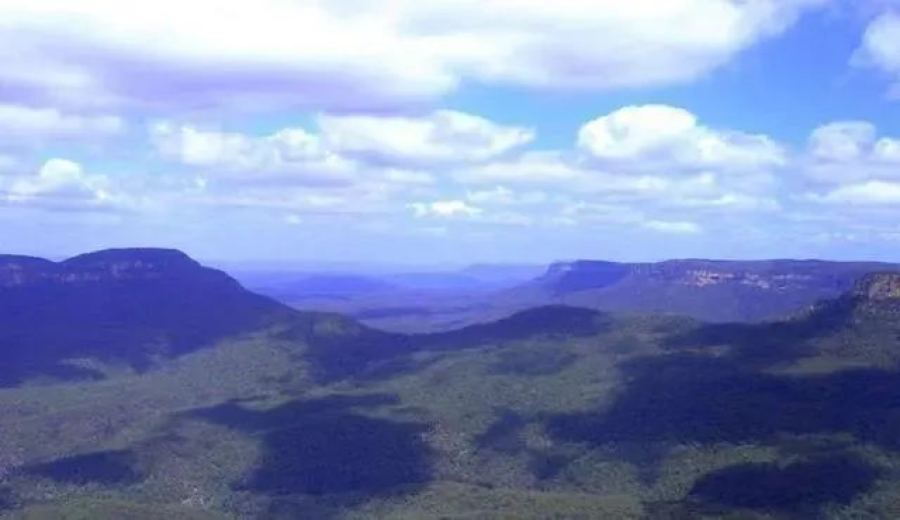
The Blue Mountains are located in the northeastern part of Jamaica and represent a rare high-altitude volcanic terrain in the Caribbean region. This mountainous area, formed by ancient volcanic activity, boasts soil abundant in various minerals beneficial to coffee growth, providing an exceptionally fertile foundation for coffee trees.
Moreover, the elevation in the Blue Mountain region generally ranges between 915 and 1700 meters, with some areas even higher. The high-altitude environment features significant day-night temperature differences, which help coffee cherries ripen slowly, accumulating richer flavor compounds while also resulting in denser coffee beans—both of which greatly benefit the final extraction in terms of taste and aroma.
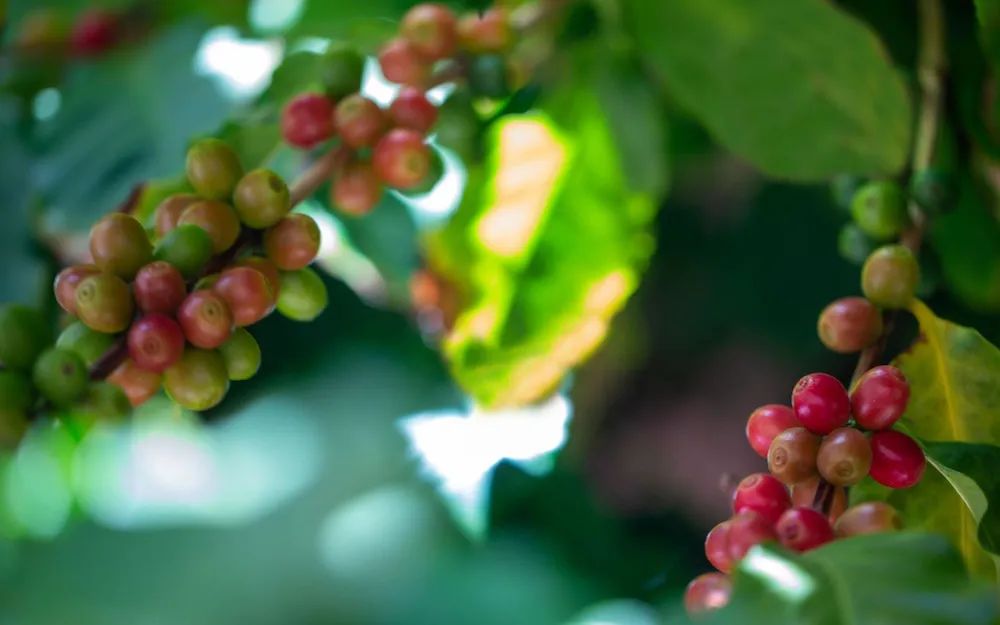
Jamaica Blue Mountain coffee is primarily cultivated using the Typica variety, one of the oldest coffee varieties in the world, known for its elegant acidity and delicate flavor. However, Typica is relatively susceptible to pests and diseases, particularly leaf rust, nematodes, and berry diseases, requiring highly meticulous cultivation management to ensure stable growth and the full expression of its potential.
To ensure the quality of Blue Mountain coffee, the Jamaican government, through its agricultural commodity regulatory authority JACRA, has established strict regional and quality standards. According to JACRA regulations, only Typica coffee grown at elevations above 915 meters in the four designated regions—Saint Andrew, Saint Thomas, Portland, and Saint Mary—can be called “Jamaica Blue Mountain coffee.” Coffee produced in other areas can only be sold under the labels “Jamaica High Mountain coffee” or “Jamaica Prime coffee.”
During planting and harvesting, due to the steep terrain of the Blue Mountains, the picking work is mostly done manually by experienced local female workers, who select only fully ripe coffee cherries to ensure the quality foundation of the raw materials. The harvested coffee cherries are then sent to processing facilities for washed processing, a method that helps preserve the original aromatic characteristics of the coffee beans more completely and reduces interference from impurities.
JACRA has formulated detailed grading standards for Blue Mountain coffee, classifying the beans based on size, defect rate, and cupping results. Blue Mountain coffee is divided into Grade 1, Grade 2, Grade 3, and the special Peaberry (PB) grade. Among them,Blue Mountain No. 1 is the highest grade, with green bean specifications required to be between 17 and 18 mesh, a defect rate below 2%, moisture content controlled between 10% and 12.5%, and cupping performance meeting specific criteria to qualify for certification.
To avoid the effects of light, oxygen, and odors during transport, Jamaica still insists on packaging and exporting Blue Mountain coffee in traditional wooden barrels, a practice that helps stabilize the beans’ condition and preserve their original flavor characteristics.
In actual cupping and roasting applications, the Saint Andrew region Clifton Estate Blue Mountain No. 1 green beans used have plump and uniformly sized beans with extremely high quality consistency. After medium to medium-dark roasting, this Blue Mountain No. 1 exhibits distinct notes of dark chocolate, nuts, and caramel, with a creamy-smooth mouthfeel, balanced acidity and sweetness, and a clean, slightly sweet aftertaste. The overall flavor profile is well-layered and harmonious.
In summary, the reason Jamaica Blue Mountain coffee can achieve such a rich body and highly balanced flavor lies in its unique geographical environment, variety characteristics, strict regional controls, and refined post-harvest processing. If you’re seeking a high-altitude coffee with complete flavor and rich details, Blue Mountain No. 1 is undoubtedly a classic worth exploring in depth.
The above content is compiled by CoffeeHunters, a coffee news website.


