







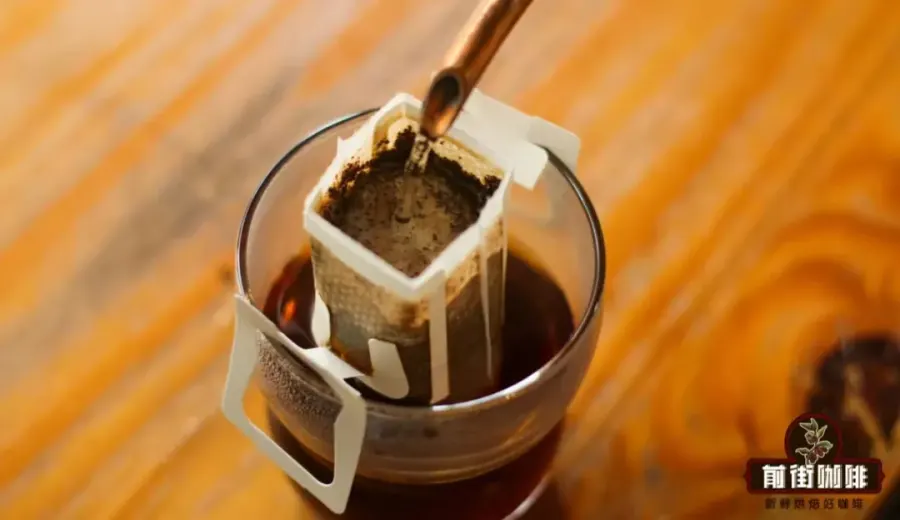
Introduction:Drip bags have become a popular choice for many busy individuals seeking high-quality coffee due to their convenience and consistency. But how do their design logic and brewing methods differ from traditional pour over? This article delves into the structural principles of drip bags, compares them with pour over in terms of tools and procedures, and offers practical extraction tips that require only mastering water temperature and volume. Additionally, we introduce several drip bag options suitable for beginners based on different flavor preferences, allowing you to easily brew well-balanced, richly aromatic coffee.
The reason drip bags are so popular is that they simplify the many variables involved in traditional pour over, enabling users to quickly brew a cup of coffee with consistent quality—whether at home, in the office, or even while traveling. Their basic structure is quite simple: composed of a non-woven fabric filter pouch and pre-ground coffee, simply tear open the pack, hang the pouch over your cup, and begin brewing.
However, despite the low barrier to entry, brewing a delicious cup of drip bag coffee still hinges on two key factors: water temperature and volume. These two parameters directly affect extraction efficiency and the final flavor profile. With proper control, even without precise instruments, you can consistently brew flavorful coffee.
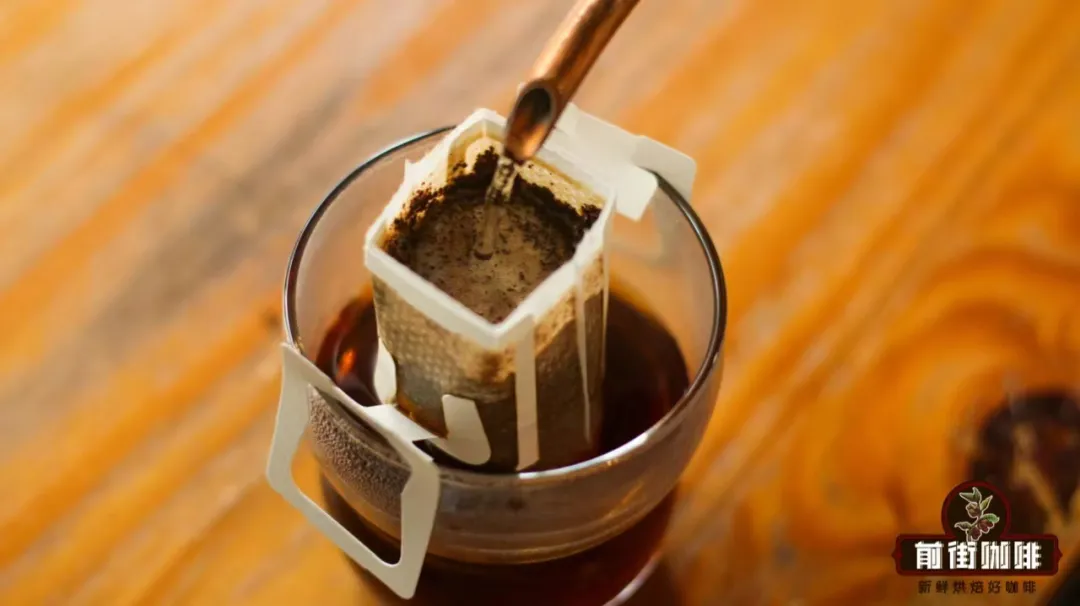
The very concept of drip bags was born to make coffee drinking more convenient, free from complicated steps. Each packet contains pre-ground coffee paired with a non-woven filter pouch, eliminating the need for additional filter cones or pour over kettles. Just hot water and a cup are enough to complete the brew. This design significantly lowers the entry barrier to specialty coffee and allows busy modern individuals to more easily enjoy a good cup of coffee.
If you have specific flavor preferences, there are also many drip bag options with distinctive profiles on the market. For example, consumers who enjoy fresh floral aromas might consider trying products reminiscent of Panamanian Geisha, which feature a rich flavor profile with citrus and floral notes. If you prefer bright acidity and a black tea-like base, you might opt for a drip bag akin to Hua Kui, which combines berry and tea flavors—perfect for those who enjoy a refreshing taste.
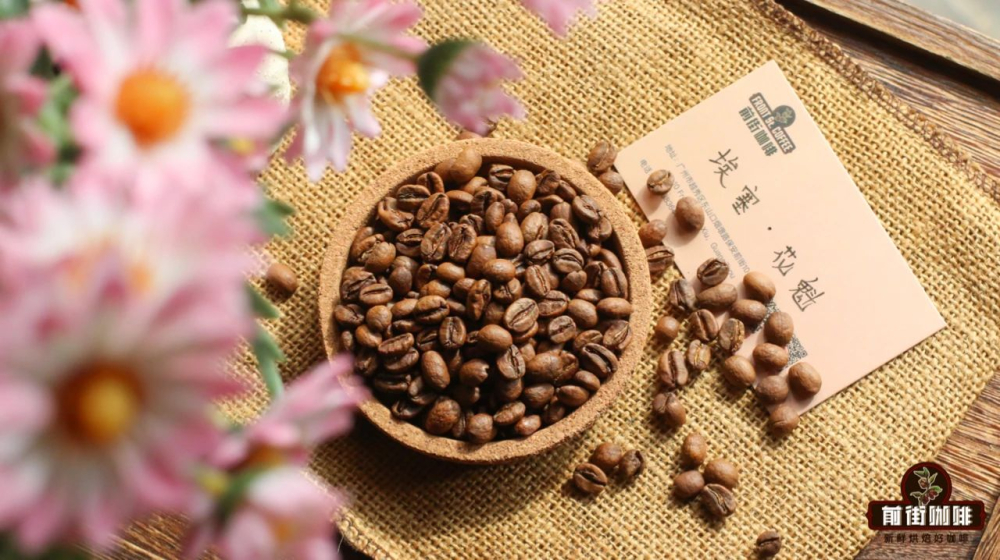
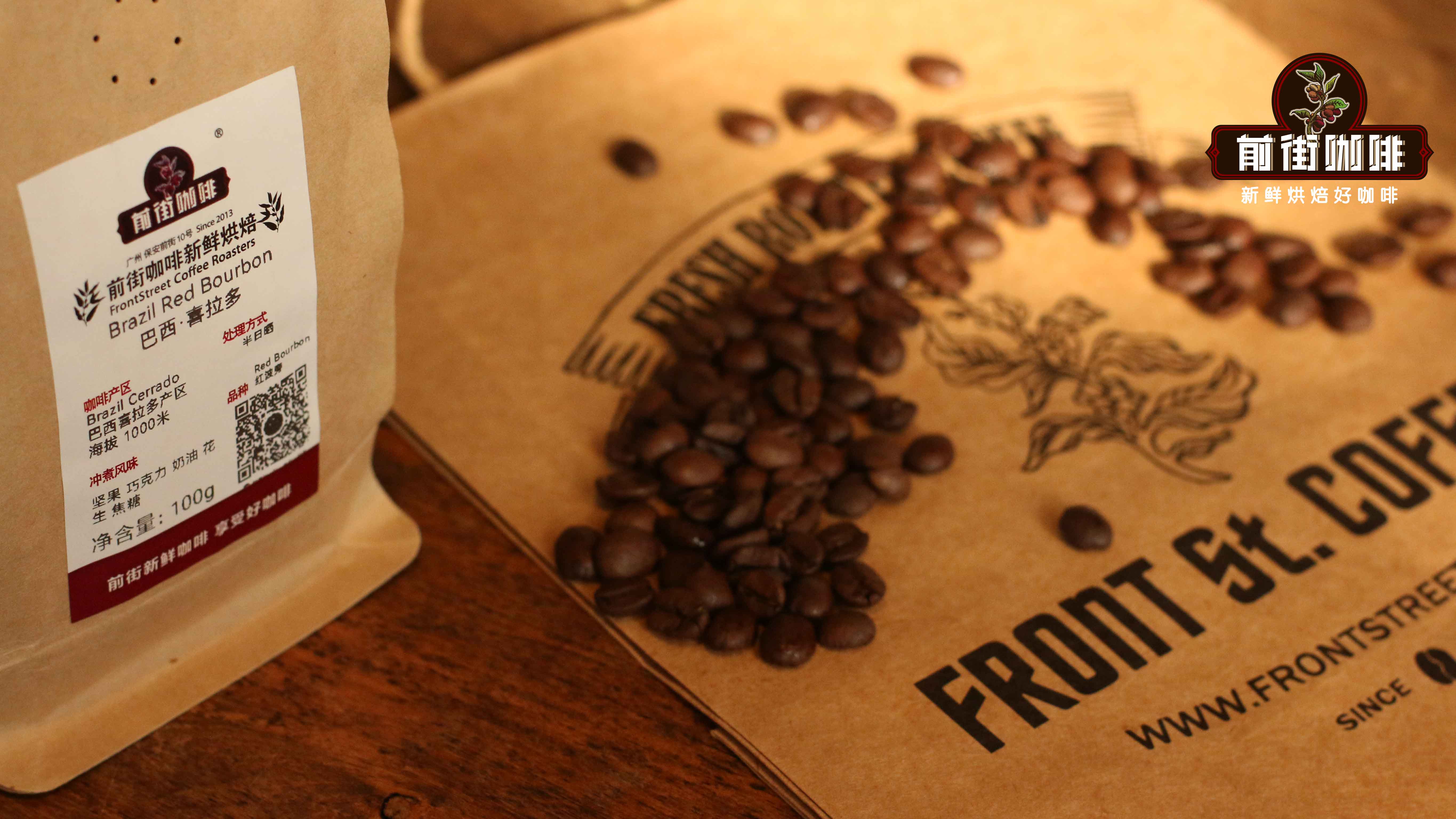
For those seeking balanced flavors that are neither too acidic nor overly bitter, medium-to-dark roasted Brazilian drip bags are usually a safe bet, offering nutty and chocolatey undertones. Meanwhile, readers desiring a rich, full-bodied cup may choose Indonesian Mandheling drip bags that have undergone multiple screenings with low defect rates—these offer a bold mouthfeel and low acidity, ideal for fans of dark roast profiles.
Since the brewing method of drip bags is similar to pour over, many people directly adopt the entire pour over process—including using a professional pour over kettle and focusing on pouring techniques. However, such steps are overly elaborate for users who just want to quickly enjoy a cup of coffee, and they also undermine the inherent convenience of drip bags.
But if you completely ignore the basic principles of pour over—such as water temperature and pouring rhythm—it can easily result in coffee that tastes thin or under-extracted. As a result, many readers often ask: is there a simpler way to still brew drip bags well? The answer is yes—and it only requires focusing on two core parameters: water temperature and volume.
In coffee extraction, water temperature is one of the key factors influencing flavor release. For drip bags, since the grind size is fixed, water temperature becomes the most important variable for adjusting extraction efficiency. Generally speaking, medium-to-dark roasted drip bags are recommended to be brewed with hot water between 86°C and 90°C, while medium-to-light roasted ones suit slightly higher temperatures, around 88°C to 92°C.
It’s worth noting that the hot water from many office or home water dispensers is often only around 80°C, which is slightly insufficient for fully extracting the coffee’s potential, possibly resulting in less aromatic and flatter-tasting brews. Therefore, if you want better extraction, it’s advisable to use a hot water device that ensures the desired temperature, or do a quick test before brewing.
As for volume, most common drip bag coffee packs contain 10 to 12 grams of coffee powder, and the recommended coffee-to-water ratio ranges from 1:14 to 1:16. For example, if using 10 grams of coffee powder, the total water volume can be controlled between 140 and 160 milliliters. Adjusting the ratio according to personal taste preferences can change the strength of the coffee.
If you don’t have an electronic scale, you can also estimate the water level by familiarizing yourself with the capacity of commonly used cups. For instance, a standard tall cup holds about 350 milliliters. If aiming for 150 milliliters of brewed coffee, you can estimate the water level to be just below the halfway mark as a reference point to stop pouring.
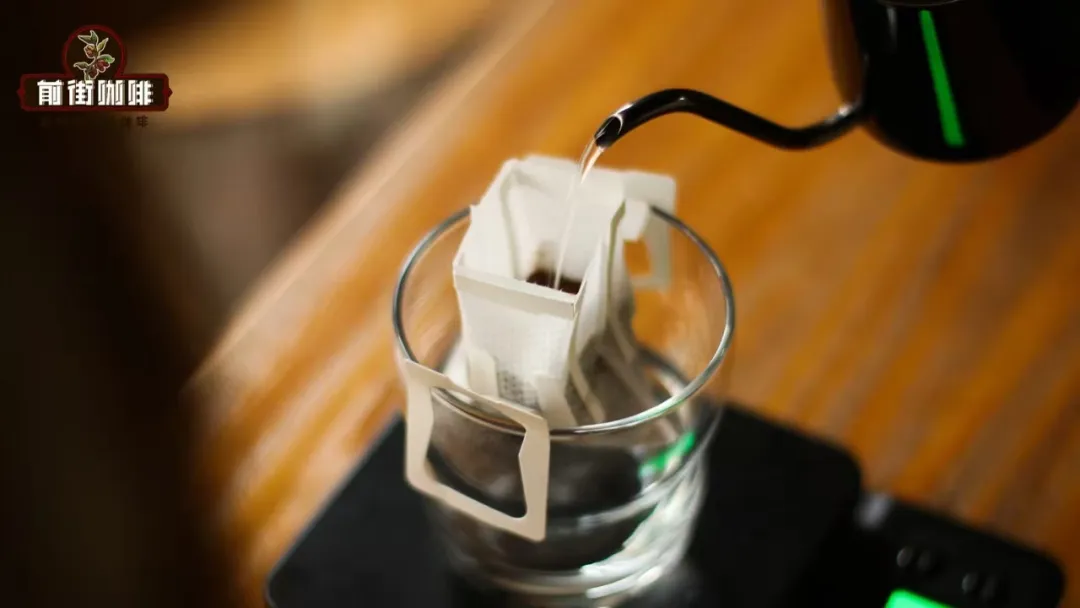
In practice, it is recommended to use a pulse pouring method, which helps extend the contact time between water and coffee grounds, thereby improving overall extraction. Because the drip bag’s filter material has limited permeability and the amount of coffee is limited, pouring too much hot water all at once can lead to excessively fast water flow, which may cause uneven or insufficient extraction.
The method of pulse pouring involves adding small amounts of hot water in multiple steps. Each time, only add enough to just submerge the coffee grounds, then wait for a certain amount of brewed coffee to drip through before continuing. Repeat this process until the brewed coffee reaches the desired level to complete the brew.
In summary, brewing a delicious cup of drip bag coffee is not complicated. By mastering the correct water temperature range, appropriate coffee-to-water ratio, and using a pulse pouring technique, you can consistently extract coffee with balanced flavors and rich aromas. Whether you’re a busy office worker, a travel enthusiast, or simply someone looking to streamline your daily coffee routine, drip bags are a practical option worth incorporating into your daily choices.
The above content is compiled by CoffeeHunters, a coffee news website.


