







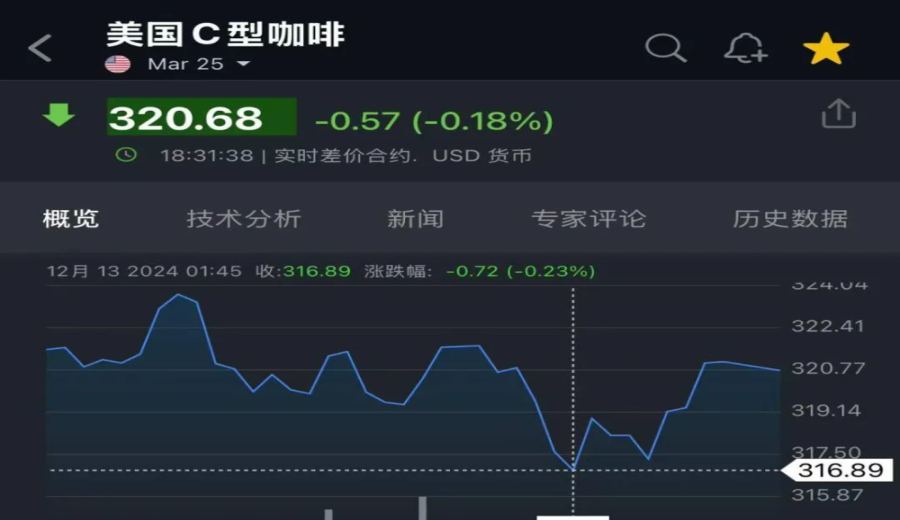
Introduction:The global coffee market has recently experienced intense volatility, with futures prices briefly hitting an all-time high before pulling back. Experts predict that high price levels may persist for the next 3 to 5 years. This article delves into factors such as Brazil’s interest rate hike, abnormal climate conditions, and production changes in Vietnam and major coffee-growing regions, helping you grasp the key elements influencing coffee prices and future trends.
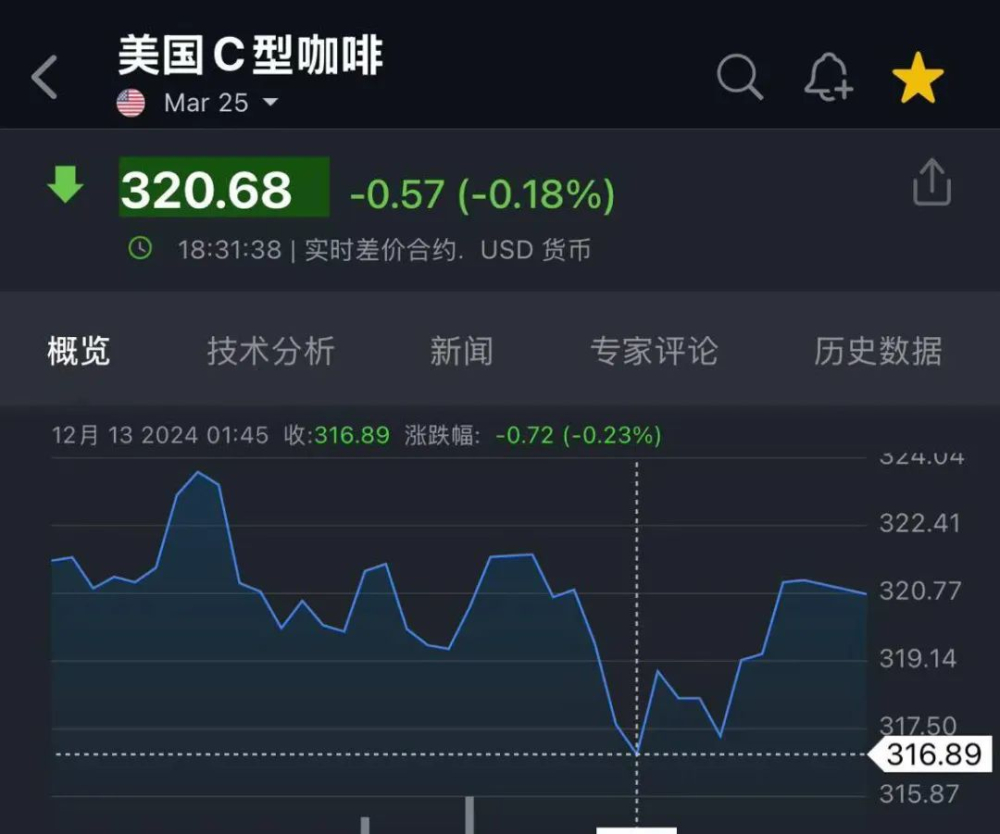
Recently, the global coffee market has been shaken by strong fluctuations, with coffee futures prices staging a dramatic rise and fall. Among them, Arabica futures traded in New York soared to an all-time high of 343.4 US cents per pound, before retreating to around 319.6 US cents; meanwhile, Robusta futures have shown a continuous downward trend. Behind this shift in market dynamics lie multiple macroeconomic and regional factors.
First, Brazil’s central bank unexpectedly announced an increase in its benchmark interest rate to 12.25%, which significantly raised the financing and transportation costs of export commodities, leading to higher quoted prices for Brazilian coffee. At the same time, many traders, aiming to control costs and reduce risks, have turned to more economical alternative supply sources. Vietnamese Robusta coffee, with its price advantage, has become their new favorite.
A recent report published by the United States Department of Agriculture (USDA) indicates that Vietnam’s total coffee production for the 2024/25 season is expected to reach 30.1 million bags (60 kg per bag), with Robusta accounting for the majority at 29 million bags, while Arabica makes up only about 1.1 million bags. Although this estimate is slightly lower than the June forecast, it still represents growth compared to the previous quarter’s 27.5 million bags. Notably, Vietnam experienced severe drought earlier this year, with serious soil water shortages from March to May, hindering coffee tree growth; then, consecutive days of rainfall during the harvest season also dealt a significant blow to yields.
Nevertheless, rising coffee prices have motivated local farmers to increase inputs such as fertilizers, irrigation, and labor, enabling some producing areas to mitigate losses. Currently, Vietnam is in the midst of the harvest season. Although heavy rain has delayed harvesting progress, most fruits are of good maturity and increased weight, resulting in overall more stable quality — a positive sign for the export market.
Beyond Vietnam’s producing regions, the global market also faces multiple uncertainties. The World Meteorological Organization has warned that between December 2024 and February 2025, there is a 55% probability of the world transitioning from the current neutral weather pattern to a La Niña event. However, this episode is expected to be weak and relatively short-lived, limiting its impact on the market. Even so, in recent months, the world has already been hit by extreme weather events, including unusual high temperatures, prolonged droughts, and sudden floods, which have become the new norm.
These extreme climatic conditions undoubtedly pose challenges for coffee cultivation. In particular, Arabica coffee is extremely sensitive to its growing environment, requiring not only stable temperatures and rainfall but also specific altitude conditions. As climate becomes increasingly unpredictable, yields and quality in the coming seasons will face significant tests.
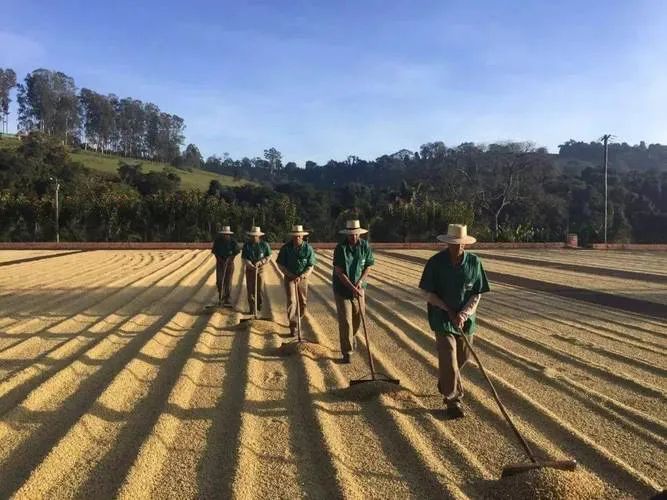
More concerning is the fact that it takes about five years for coffee trees to grow from planting to harvest. Even if planting areas are expanded now, it will be difficult to alleviate short-term market supply pressures. Coupled with geopolitical risks, labor shortages, and transportation bottlenecks, the global coffee supply chain is currently in a state of high instability.
The industry generally predicts that under the combined influence of these factors, coffee prices will remain at elevated levels over the next 3 to 5 years, with Arabica varieties likely to continue benefiting from inelastic demand and production constraints. For coffee professionals and enthusiasts, understanding these market dynamics can help with advance planning of procurement and inventory strategies, and provide clearer insight into price trends.
The above content is compiled by CoffeeHunters, a coffee news website.


