







Introduction:At the end of 2024, Starbucks has seen multiple store closures across China, including the outlet inside Wuhan's Hongshan Square subway station and a long-standing branch in Nanning's Parkson that had been operating for twelve years. In addition to rising rents and declining foot traffic, the rise of affordable coffee brands has also dealt a significant blow. This article delves into the reasons behind Starbucks’ recent wave of closures, explores the brand’s potential strategic adjustments in the market, and offers a practical perspective on observing changes within the chain coffee industry.
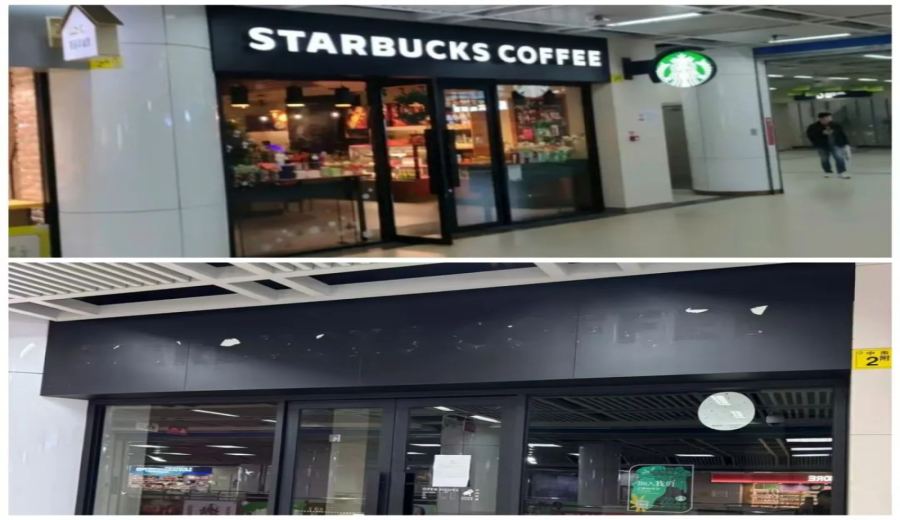
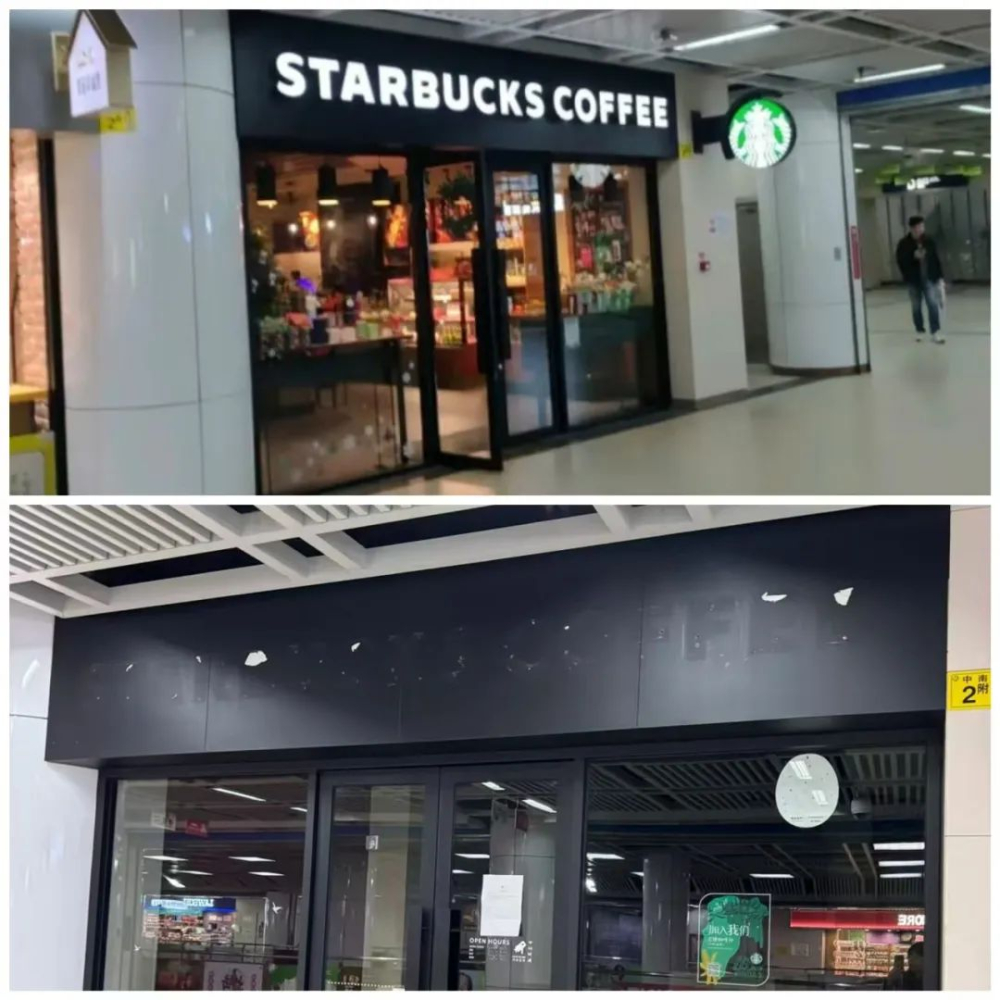
As 2024 draws to a close, reports of multiple Starbucks store closures in the Chinese market have prompted a re-examination of the brand’s development strategy. Among them, the Starbucks outlet inside the Hongshan Square subway station in Wuhan, Hubei, has quietly shut down, with its equipment cleared out and its signage dismantled, leaving only black traces where the sign once hung. Many passersby expressed surprise, though some felt it was not unexpected under the current circumstances.
According to local residents, although Hongshan Square is a major subway transfer hub, foot traffic has noticeably declined in recent years, and surrounding shops have generally struggled. Moreover, the station is now home to Luckin Coffee and another budget-focused coffee brand, both offering direct competition to Starbucks in terms of price and convenience. Faced with high rents and a misaligned positioning, the Starbucks outlet found it difficult to maintain stable customer traffic, making closure a reasonable outcome.
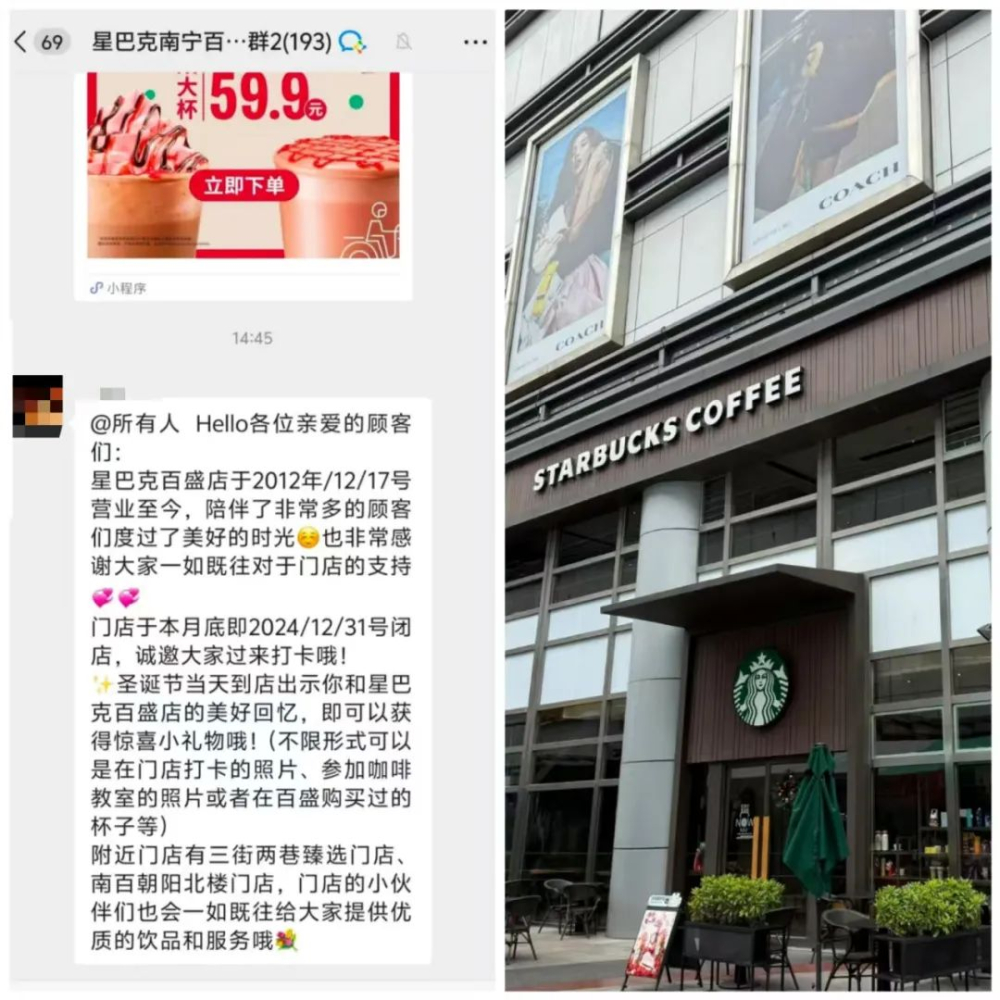
A similar situation occurred in Nanning, Guangxi. Recently, a netizen shared a group chat screenshot indicating that the Starbucks store, which had been located in Nanning Parkson department store since 2012, will officially cease operations on December 31, 2024. The news drew many expressions of regret from local coffee enthusiasts. In fact, earlier this year, the regional flagship Starbucks store in Nanning MixC also closed ahead of schedule due to lease expiration and mall redevelopment, which had already upset many long-time customers.
One local recalled, "In recent years, more and more bubble tea shops and affordable coffee brands have opened around here, and that Starbucks has clearly been doing less business, often looking deserted." Caught between continuously rising mall rents and fragmented consumer traffic, even once-iconic legacy stores can’t escape the fate of closure.
The successive closures have raised further questions about Starbucks’ operational status in the Chinese market. As early as last month, reports emerged that Starbucks was "considering selling its stake in its Chinese business," a move that instantly became a market focus and drew renewed public attention to how this international brand—having entered China over twenty years ago and once leading coffee culture—plans to navigate the shifting market landscape.
Including the closure of the first store in Changsha earlier this month, Starbucks has seen at least three outlets cease operations in 2024. Market estimates suggest there may be other stores in various regions that have quietly exited the market for various reasons, surprising many familiar customers who realize "another one has disappeared."
Analyzing the reasons behind this wave of Starbucks closures, the causes are not singular. They include, but are not limited to: continuously rising store rents, decisions not to renew expiring leases, sharp declines in local foot traffic, intensified market competition due to the rapid expansion of affordable coffee brands, and the brand’s strategic adjustments to overall market layout. Each factor could become a key determinant in a store’s survival.
Although changes in the business environment make such "partings" unavoidable, for many consumers who once spent important moments in these Starbucks stores, each closure still carries an emotional weight that is hard to let go. Many netizens have expressed that seeing familiar, frequently visited stores disappear one by one inevitably brings feelings of nostalgia and loss.
In summary, Starbucks is facing not just challenges in individual cities, but a broader transformation in the overall market structure. Finding a balance among rent pressures, brand positioning, consumer preferences, and competition will be a crucial issue for the brand’s future adjustments. For readers observing coffee industry trends, this wave of closures also provides real-world cases for understanding the operational realities and market adaptation strategies of chain coffee brands.
The above content is compiled by CoffeeHunters, a coffee news website.


