







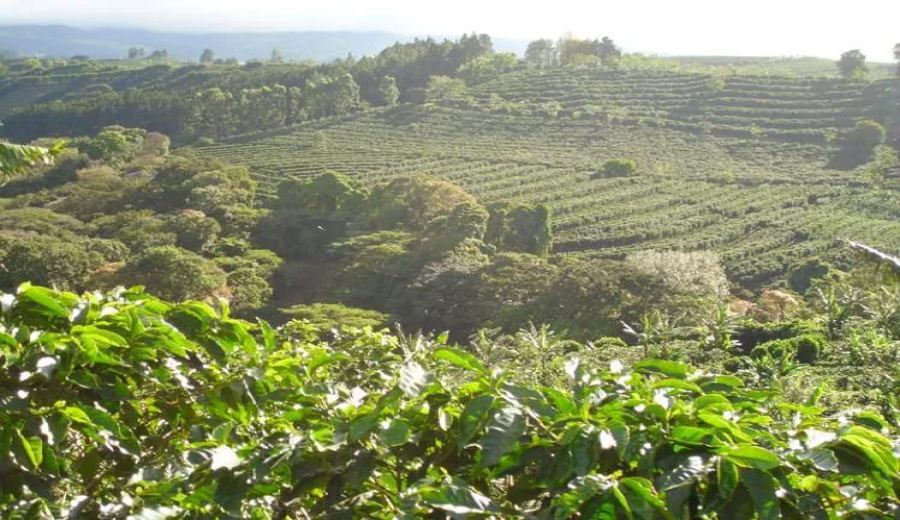
Introduction:Colombian coffee is renowned for its diverse flavor profiles, and among them, the washed Caturra from the Huila region stands out as an unmissable choice for specialty coffee enthusiasts. This article delves into the geographical advantages and microclimatic conditions of the Huila region, explores how the washed processing method highlights the pure flavors of the coffee beans, and provides a detailed look at the actual performance of a classic washed Caturra. It aims to help readers better understand the unique charm of this highly popular coffee bean.
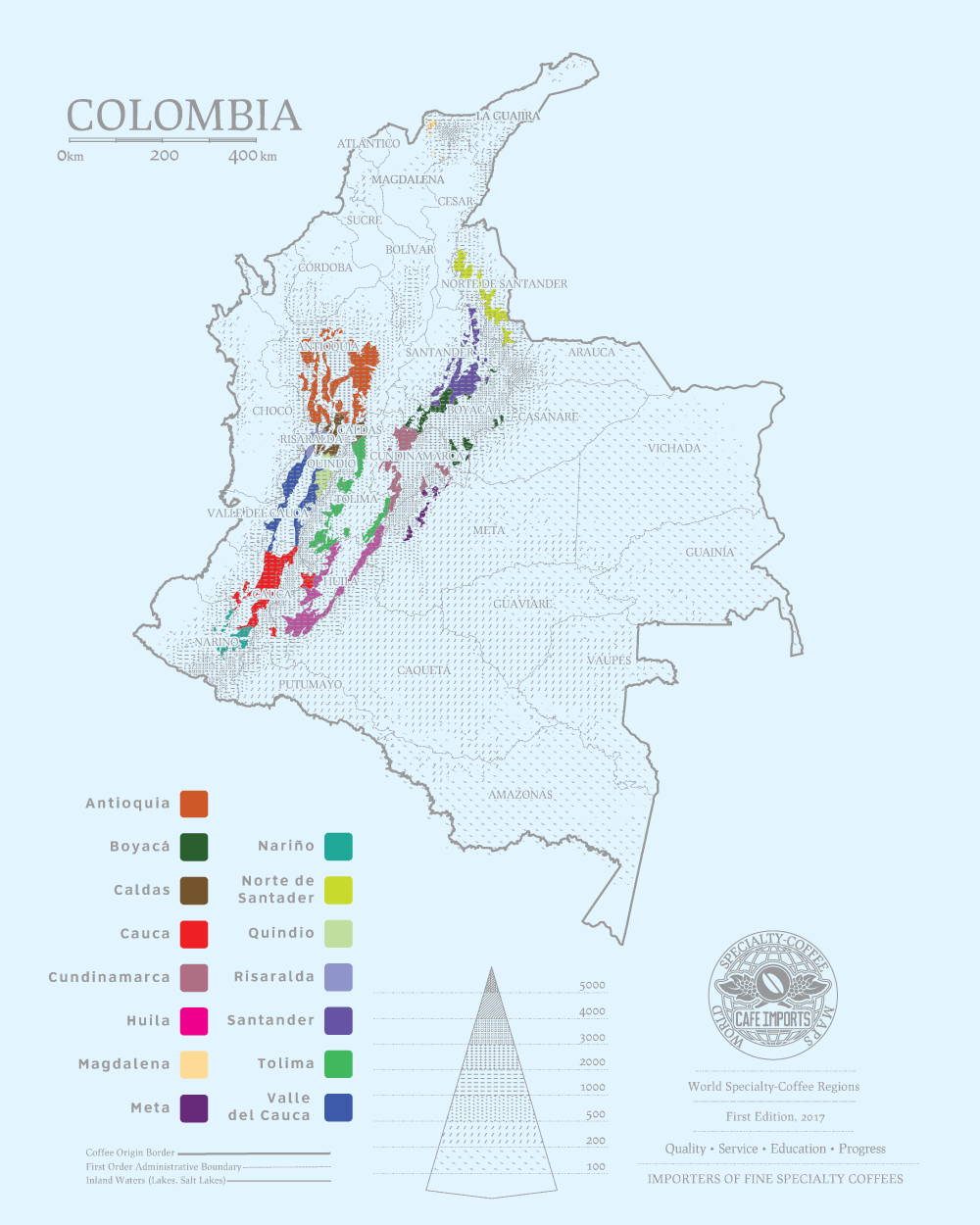
Colombian coffee has long been known for its rich notes of nuts and chocolate, coupled with bright acidity and moderate sweetness. This balance has made it widely loved in the global market. As the world’s third-largest coffee-producing country, Colombia benefits from the high-altitude environment of the Andes Mountains, diverse microclimates, and a wealth of coffee varieties, creating a layered and complex flavor spectrum. With the rise of the specialty coffee trend, the focus of the country’s coffee production has gradually shifted from the central-northern regions to the southern areas such as Huila, Cauca, and Nariño, among which the Huila region is the most renowned.
Colombia and Brazil are both major coffee-producing countries in the Americas, but they exhibit significant differences in flavor profiles. Colombian coffee typically exudes strong notes of nuts and chocolate, with bright and lively acidity and a soft, lingering sweetness. The overall flavor is well-balanced and layered. This unique flavor profile is actually inseparable from the local geography and processing methods.
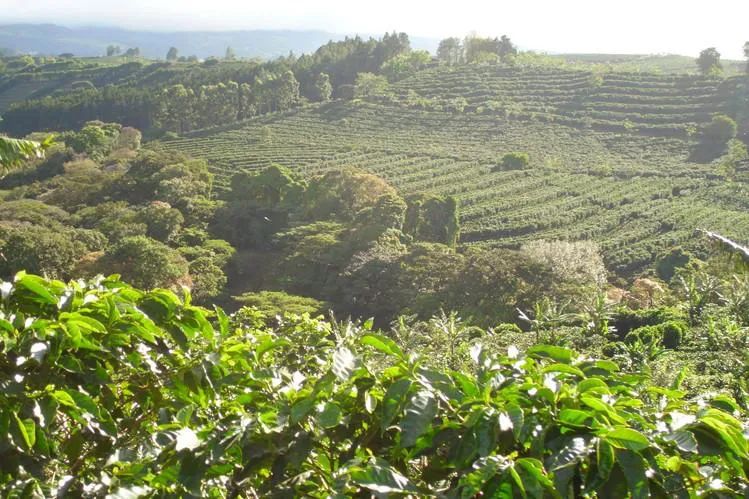
The terrain of Colombia is complex, with the Andes Mountains and other high-altitude regions providing ideal growing conditions for coffee. The country’s coffee-growing areas are mainly concentrated in the western mountainous regions. Due to the steep terrain, significant altitude variations, and distinct climate differences between the north and south, a variety of microclimates have emerged, enabling year-round coffee harvesting. This unique geographical advantage is also key to Colombia’s ability to maintain both high yields and quality.
In the past, Colombia’s coffee production was primarily concentrated in central-northern regions such as Quindío, Cauca Valley, and Cundinamarca. These areas, blessed with two rainy seasons and two dry seasons each year, allowed for two coffee harvests annually. However, with the rise of specialty coffee culture and increasing consumer demand for terroir characteristics and processing methods, the focus of production has gradually shifted southward to regions closer to the equator, such as Nariño, Cauca, and Huila.
Among these, the Huila region has become a focal point for specialty coffee enthusiasts due to its exceptional natural conditions. Surrounded by mountains, the region features a unique canyon-like terrain that not only blocks cold air intrusion but also brings cool mountain breezes, maintaining a stable annual temperature between 17°C and 23°C. Coffee trees are mainly planted on slopes at altitudes of 1,250 to over 2,000 meters. The high-altitude environment results in significant day-night temperature variations, which help slow down the ripening process of coffee cherries, allowing flavor compounds to accumulate and develop more fully. Additionally, several major rivers run through the area, and the nearby Huila volcano enriches the soil with abundant minerals and nutrients, creating an optimal environment for growing specialty coffee.
Colombia grows a wide variety of coffee cultivars, including the common Caturra and Catuai, as well as Geisha introduced from Panama, and emerging varieties such as Sidra and Ombligon that have gained attention in recent years. These varieties, when paired with different altitudes and processing methods, showcase a rich and varied potential for flavor expression.
In terms of processing methods, Colombia initially relied solely on washed processing, as the government once mandated that only washed coffee could be exported. It wasn’t until 2012, with the international market’s growing acceptance of natural and honey processing methods, that this restriction was lifted, leading to the adoption of various innovative processing techniques in Colombia. Although new processing methods can bring more distinctive flavor characteristics, many farmers still adhere to traditional methods such as washed and natural processing to faithfully present the original flavor traits of the coffee beans.
The washed processing method effectively removes the pulp layer, reducing impurity interference and thereby highlighting the intrinsic aroma and regional characteristics of the coffee beans. Based on practical cupping experiences, Colombian coffee processed using traditional washed methods often exhibits gentle notes of nuts and chocolate, paired with soft acidity and natural sweetness, delivering a clean and well-layered overall profile. To preserve these qualities, medium roasting is recommended to balance aroma and flavor expression.
Among the many specialty coffees from Colombia, a washed Caturra from the Huila region stands out as an ideal choice for beginners, thanks to its consistent quality and outstanding flavor profile. This coffee is typically medium roasted to enhance its regional characteristics. Upon brewing, the first impression is a gentle acidity, followed by pronounced notes of nuts and chocolate, with a natural caramel sweetness in the aftertaste. The overall mouthfeel is smooth and well-balanced, making it highly suitable for everyday drinking or as an entry-level option for understanding the flavors of Colombian coffee.
The above content is compiled by CoffeeHunters, a coffee news website.


