








Introduction:Have you noticed that even when using the same coffee beans and technique, your pour over coffee in winter always seems to lack a bit of flavor? The key often lies in the overlooked change in water temperature. As hot water is poured, it loses heat to the surrounding environment, resulting in an actual brewing temperature lower than expected, which in turn affects the aroma and taste profile of the coffee. This article delves into how water temperature influences extraction and provides simple yet effective adjustment strategies, so you can consistently brew coffee with your desired flavors even in the cold season.
Using the same coffee beans and following the same brewing steps, yet finding the coffee’s aroma and taste not as good as before? Many coffee enthusiasts often encounter this issue in winter. In fact, the problem usually isn’t with the technique itself, but rather the neglected natural loss of water temperature during pouring.
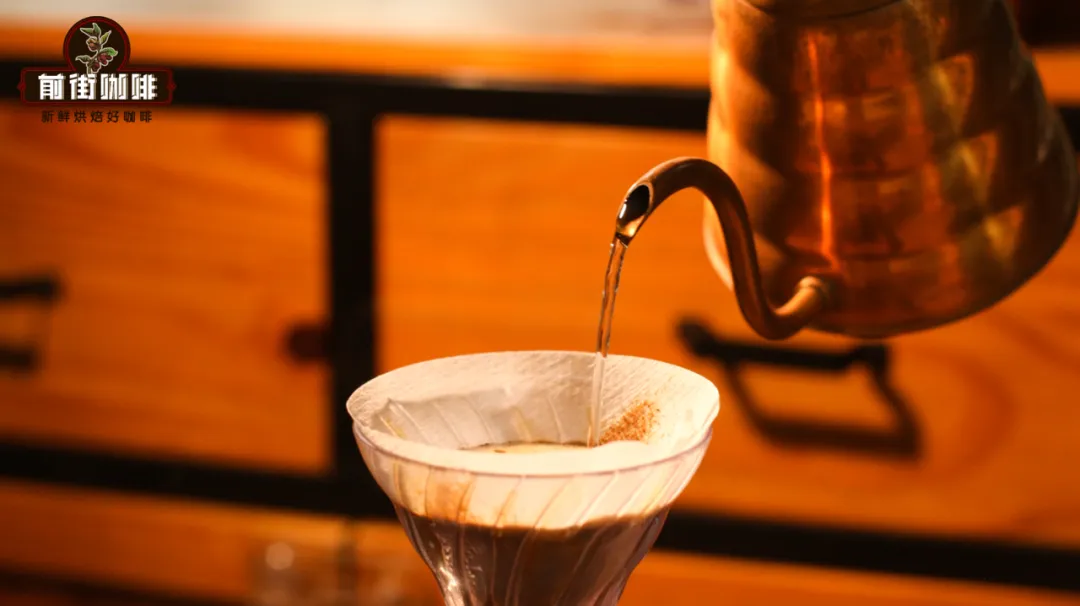
When you pour hot water from the kettle, through the surrounding air, and into the coffee grounds, this process causes the water to lose some of its heat, resulting in the actual temperature of the water contacting the coffee grounds being lower than the set value. Especially in winter, when temperatures are generally lower, the temperature difference between the air and the hot water is greater, leading to more noticeable heat loss. This reduces extraction efficiency and impacts the final coffee performance.
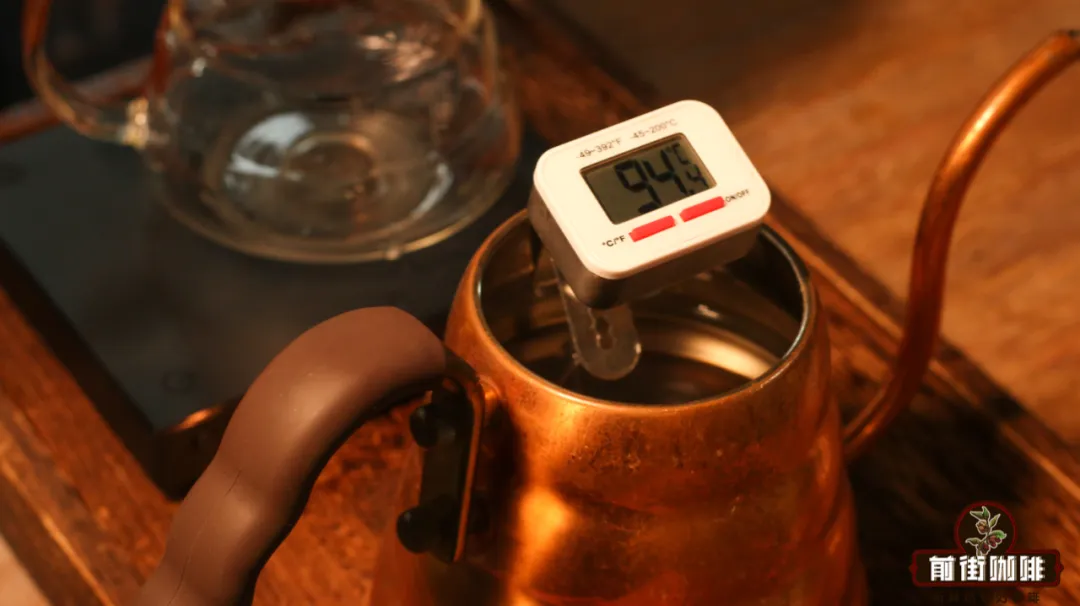
To understand this phenomenon, it's important to first know that when we set a water temperature, we’re referring to the temperature right as it leaves the heating device—commonly around 92°C or 94°C. However, as this hot water flows out of the kettle spout, hovers in air close to room temperature, and is slowly poured onto the coffee bed, its temperature gradually drops due to heat exchange. Practical tests have shown that water originally set at 92°C may drop to 90°C or even lower before it even touches the coffee grounds.

Factors affecting the degree of water temperature loss include the height from which you pour, the design of the kettle spout, and the indoor ambient temperature. For example, if you’re used to pouring from a higher position, the longer the hot water stays in the air, the more heat it loses. Similarly, in cold winter conditions, the greater temperature difference between indoors and outdoors means the air can “steal” more heat.
So, how can you counteract this natural loss of water temperature and ensure stability and consistency in extraction? The most direct and effective method is to slightly increase the brewing water temperature based on your familiar settings. By 1 to 2°C. For instance, if you usually brew at 92°C, consider adjusting to 93°C or 94°C in winter to compensate for the heat lost by the water in the air, thereby maintaining the ideal temperature range during extraction.
Many professional baristas and cafés—including routine practices at specialty roasters—also make slight seasonal adjustments to water temperature settings to ensure that coffee delivers stable and excellent flavor performance under varying climatic conditions. With such fine-tuning, you not only reduce the extraction gap caused by seasonal transitions but also gain more precise control over your preferred coffee flavor profile.
Additionally, it’s recommended to measure the actual temperature of the water being poured onto the coffee grounds before brewing. Sometimes using a thermometer to observe changes can help you more intuitively understand how water temperature affects extraction. If you don’t have professional tools on hand, you can also pay attention to changes in ambient temperature and make timely micro-adjustments, gradually finding the optimal water temperature setting for your own brewing environment.
In summary, although water temperature is just one of many parameters in pour over brewing, its impact on the extraction result is extremely critical. Especially in the colder winter months, understanding and properly compensating for water temperature loss will help you maintain stable and consistent coffee flavors, ensuring each cup of pour over showcases its full layers and details.
Once you master this simple adjustment principle, you’ll be able to easily adapt to seasonal changes. No matter the time of year, you’ll be able to brew high-quality pour over coffee that meets your expectations.
The above content is compiled by CoffeeHunters, a coffee news website.


