







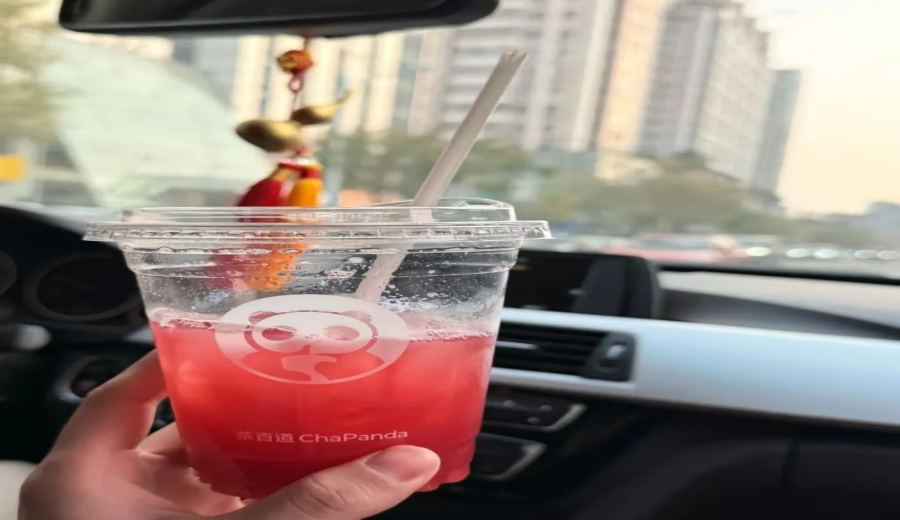
Introduction:As the winter strawberry season arrives, beverage chain TeaBay has launched a new drink called "Divine Beauty Strawberry," made with hibiscus, fresh strawberries, and pineapple that are freshly juiced. It has been dubbed a "natural liquid blush." However, footage of the actual preparation process by staff has revealed extremely low efficiency in manual juicing and a complicated procedure, sparking complaints from back-of-house workers and concerns among consumers about hygiene. This article takes an in-depth look at the preparation process, real challenges, and market feedback surrounding this seasonal drink.
With winter strawberries hitting the market one after another, major tea beverage brands are competing to roll out limited-edition drinks inspired by strawberries. In response to fan demand, TeaBay has not only brought back classic strawberry beverages but also followed the trend of fruit and vegetable juice consumption by launching a light and refreshing kale drink with a strawberry flavor, as well as a brand-new item — the "Divine Beauty Strawberry."
Positioned as a freshly made fruit and vegetable tea, the "Divine Beauty Strawberry" primarily combines hibiscus, fresh strawberries, and pineapple. Officially, it is said to boast natural fruity aromas and a rosy hue, earning it the appealing nickname "natural liquid blush," which has attracted many health- and beauty-conscious consumers eager to try it.
However, behind this seemingly fresh and healthy drink lies a preparation process that is less than appealing. In response to consumer curiosity about ingredients and production methods, TeaBay employees have released actual footage of how the "Divine Beauty Strawberry" is made, revealing every step from preparation to juicing.
According to the video, staff must first place strawberries, pineapple, hibiscus, and other fruits into a blender according to the recipe proportions to create a relatively thin fruit puree. This puree is then poured into a special filter bag, and juice is separated from the pulp through repeated manual squeezing. Finally, fresh strawberries are added for garnish along with ice for flavoring to complete the drink.
Notably, throughout the entire process,a full pot of mixed fruit ingredients, when manually squeezed, often yields juice for only about two servings. If there is high demand in-store, staff must repeatedly perform the juicing process, which is not only time-consuming but also extremely labor-intensive.
Many employees have shared their experiences on social platforms, expressing dissatisfaction with the process. Some have complained: "This stuff is really hard to squeeze, you can only get two cups at a time," "Squeezing makes me sweat buckets, and the filter bags often burst," "The tea filter bags gave out on me twice," and "The Divine Beauty Strawberry is the most headache-inducing — the bags are stretched to the max."
Especially for those working the early shifts, in order to finish all prep work before opening, they often need to arrive one to two hours early, handle routine materials first, and then find time to make these fruit and vegetable juices that require a lot of manual effort, significantly increasing their workload.
Previously, when TeaBay launched wheatgrass juice, it had already put significant time pressure on many early-shift employees. Now, with the continuous addition of fruit and vegetable tea options, staff are required to spend even more extra time making juices. Not only is the efficiency low, but the complicated procedures also easily breed dissatisfaction, with some staff even privately joking that the R&D team "enjoys suffering for no reason."
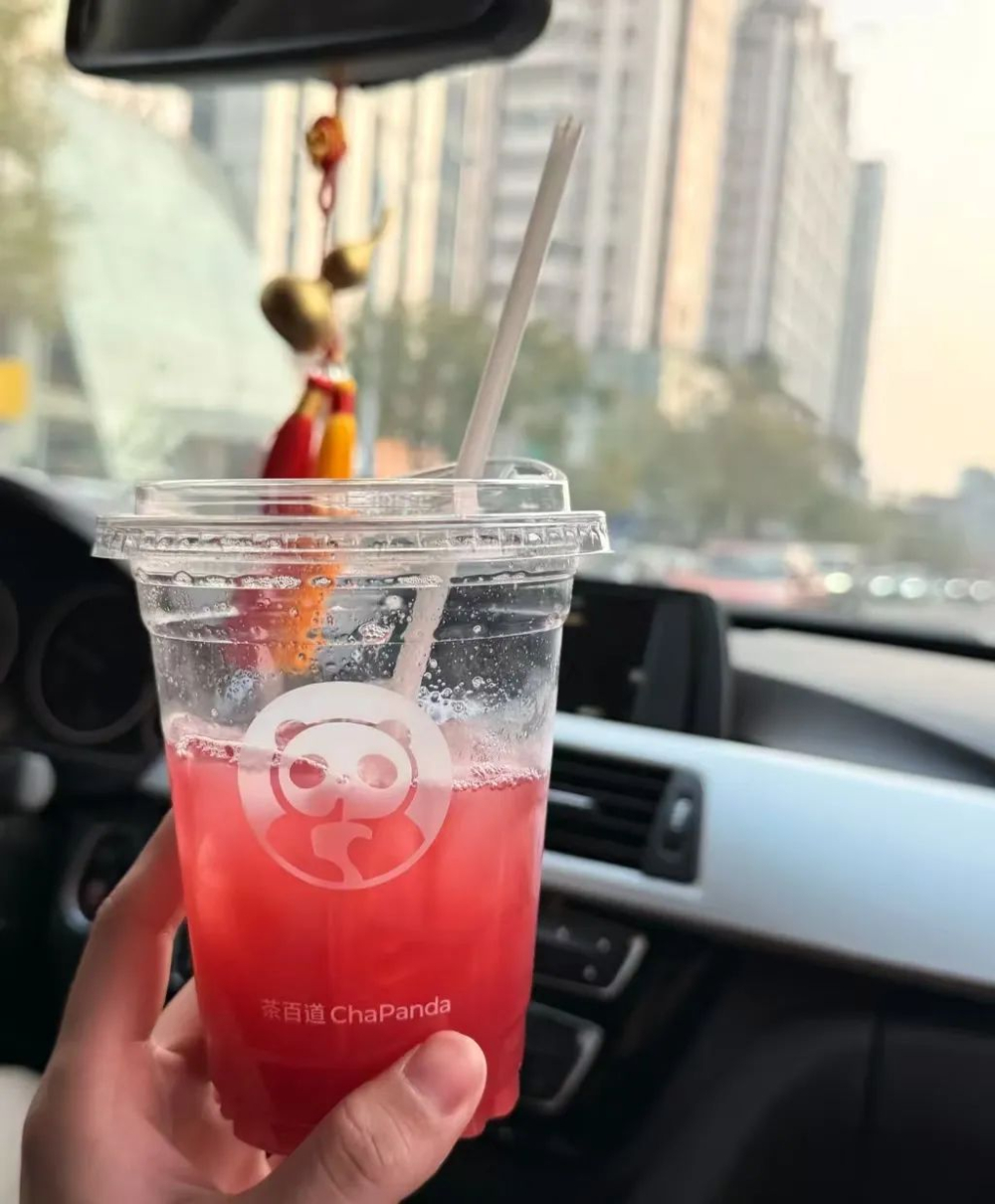
Currently, most fruit and vegetable teas on the market follow a similar production process: blending fresh produce with tea base and then filtering to extract the juice, resulting in a clear color and natural fruit aroma. However, this "manual juicing" method, while ensuring no artificial concentrates or additives are added to the drinks, is criticized by some consumers for its low efficiency and complicated steps, raising concerns about hygiene and operational procedures.
Some netizens have admitted: "Just seeing how it's squeezed like this makes me not want to drink it," expressing concern that the process might affect the hygiene quality of the drink. In response, some consumers suggest that brands should consider equipping stores with professional juicing machines, which could not only improve production efficiency but also boost customer confidence in product hygiene.
The above content is compiled by CoffeeHunters, a coffee news website.


