







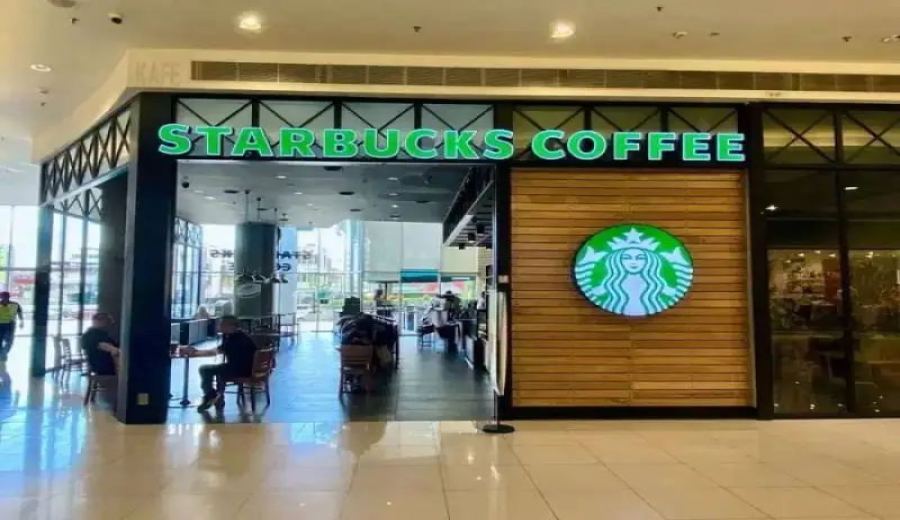
Introduction:Affected by the Israel-Gaza conflict, Starbucks is facing a severe boycott wave in Malaysia. In the past year, nearly 50 stores have suspended operations, and the operator, Success Food, has reported losses for four consecutive quarters. Despite the brand’s multiple clarifications and actions, public boycotts continue unabated, and recovery remains slow. This article delves into the background of the incident, the brand’s response measures, and the current market situation, offering insight into how this storm intertwined with commerce and politics is impacting Southeast Asian market strategies.
In recent years, as the Israel-Gaza conflict has persisted, boycott movements against specific brands have emerged in many parts of the world. Among them, the American coffee chain Starbucks has been significantly impacted in the Malaysian market. It is understood that in the past year, nearly 50 Starbucks outlets in the country have opted to suspend operations, leading to a noticeable decline in market share, which has drawn high attention from the industry.
This wave of boycotts mainly stems from some consumers believing that Starbucks supports Israel. Although the brand has repeatedly made public clarifications stating its neutral stance and non-involvement in political positions, the reaction from the Muslim consumer base remains strong. Particularly in a Muslim-majority country like Malaysia, the boycott effect has been more pronounced, resulting in a significant drop in foot traffic and ongoing sluggish sales at many outlets.
Faced with this challenge, the Malaysian franchise operator of Starbucks—Success Food—has recorded losses for four consecutive quarters. To regain consumer confidence, the brand has not only issued multiple statements emphasizing its neutral position but also demonstrated corporate social responsibility through concrete actions. For example, on the occasion of its 25th anniversary in June this year, Starbucks collaborated with several local artists to launch the “Bearista Art Charity Project,” donating all proceeds to humanitarian aid funds for Gaza and Palestine.
In addition, Starbucks has also allocated an additional 1 million Malaysian Ringgit (approximately 1.61 million RMB) specifically to the Palestinian People’s Humanitarian Trust Account, hoping to convey the brand’s support for the local population. However, even with these efforts, consumer boycott sentiment has not significantly subsided, and many outlets continue to struggle operationally.
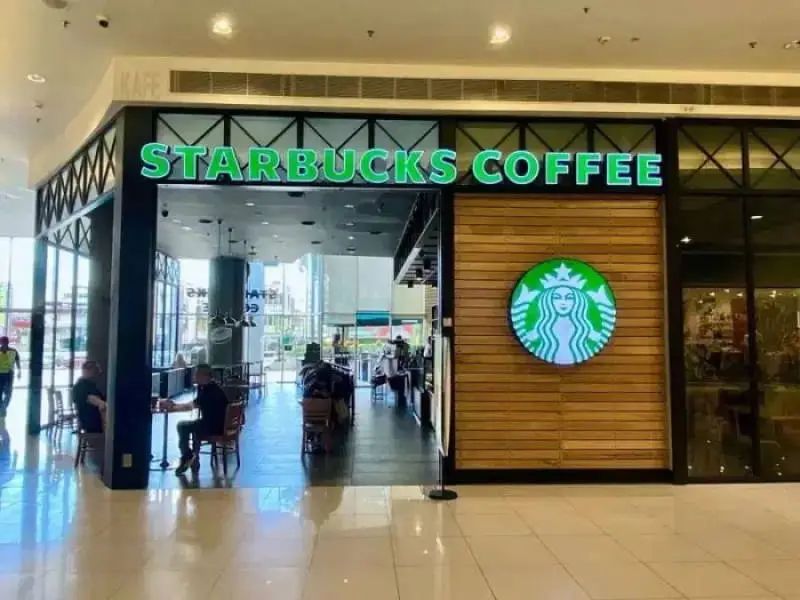
Recently, media outlets cited sources indicating that over 100 Starbucks outlets across Malaysia have either closed or entered temporary suspension, including major locations in popular shopping malls and tourist areas. The term “temporary closure” refers to stores that are currently only paying rent without providing services, awaiting an improvement in sales before reopening.
In response to media reports, a Starbucks official spokesperson later clarified that the claim of “over 100 store closures nationwide” was inaccurate. In reality, most stores are merely “temporarily closed,” though the exact number has not been disclosed. The spokesperson further explained that some closures are part of the company’s operational assessment, aimed at more efficiently adjusting the national store network layout. Moreover, affected employees have not lost their jobs but have been reassigned to nearby continuously operating outlets.
However, according to recent analysis data published by CIMB Securities, as of September 30 this year, the operator of Starbucks in Malaysia—Success Food—has nearly 50 stores temporarily suspended, and it has faced losses for four consecutive quarters. Success Food explained that the primary reason for the suspensions is the ongoing boycotts, which have made it difficult for sales to recover.
Management further stated that whether more stores will be closed in the future (whether permanently or temporarily) will depend on the results of subsequent regular market evaluations. Starbucks officials emphasized that although the brand is still in a loss-making state, an increasing number of consumers recognize that the accusations against the brand are unfounded, and sales performance is gradually showing a slow upward trend.
The above content is compiled by CoffeeHunters, a coffee news website.


