








Introduction:Ethiopian coffee is renowned for its distinctive floral and fruity aromas and bright, refreshing fruit acidity, making it a starting point for many coffee beginners exploring specialty coffee. This article delves into the origins of its flavor profile, covering aspects such as terroir, processing methods, and cultivation models. Using Yirgacheffe washed beans as an example, it explains how light roasting and pour over brewing can bring out captivating jasmine floral notes, citrus, and berry tones, helping readers better understand the logic behind coffee flavor formation.
Ethiopian coffee stands out in the global specialty coffee market with its vivid and layered floral and fruity aromas, as well as its bright and lively fruit acidity. This unique flavor profile has made it a top choice for many people’s first encounter with specialty coffee. But how exactly are these distinctive citrus, berry, and floral notes formed? We will explore this from three perspectives: the natural conditions of the growing regions, the processing methods of the coffee beans, and the local cultivation models. Taking Yirgacheffe washed beans as a practical case, we’ll analyze how they exhibit enchanting jasmine floral notes, citrus tones, and berry flavors under light roasting and pour over extraction.
Firstly, a coffee’s flavor expression is inseparable from the environment in which it is grown, including factors such as altitude, climate conditions, and soil characteristics. As the birthplace of Arabica coffee, Ethiopia boasts uniquely favorable geographical conditions. Located in East Africa and influenced by the East African Rift Valley, the country features diverse terrain with numerous mountains, plateaus, lakes, and forests, providing varied growing conditions for coffee.
The main coffee-growing regions are concentrated in southwestern Ethiopia. Although geographically close to the equator and characterized by a tropical climate, the generally high altitudes—ranging between 1,100 and 2,350 meters—result in significant day-night temperature variations. Such an environment helps slow down the ripening process of coffee cherries, giving the beans more time to accumulate flavor compounds. In addition, the typically denser and harder beans grown at high altitudes, along with microclimate variations, contribute to the common bright fruit aromas and flavors such as citrus and berries found in the region’s coffees.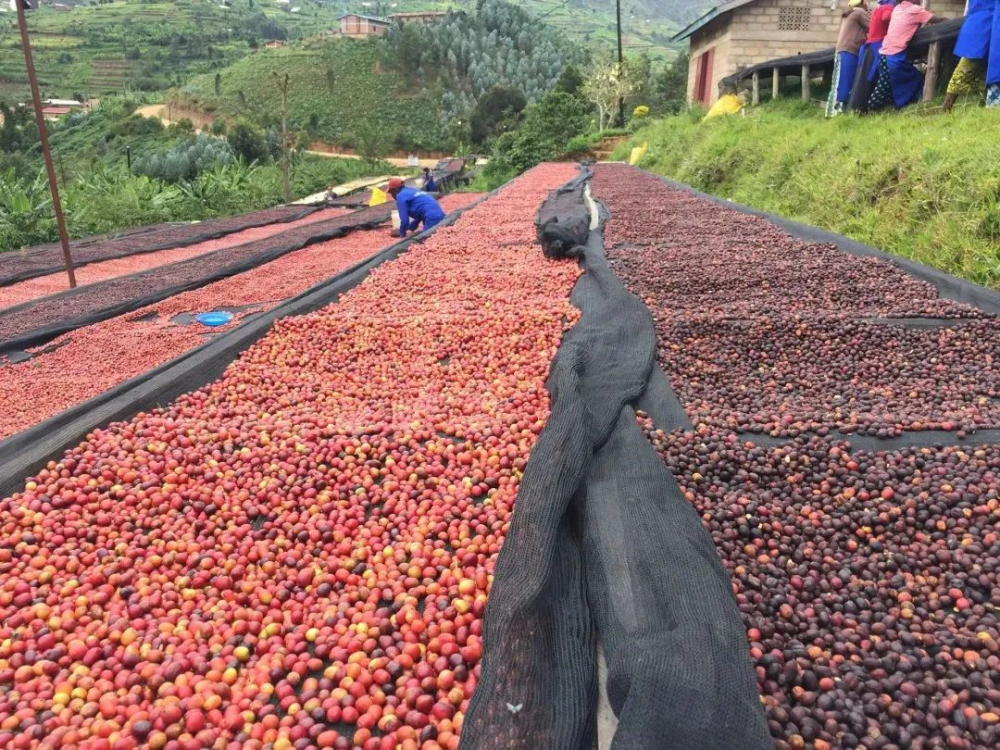
In terms of processing methods, Ethiopia primarily employs two techniques: natural (sun-dried) and washed. Due to the relatively dry local climate, both methods can effectively bring out the potential of the coffee. The natural process involves drying the entire coffee cherry in the sun for about three to four weeks. During this period, the sugars from the pulp and mucilage gradually seep into the bean, imparting a richer sweetness and fruitiness to the coffee. Since coffee is essentially a fruit, the natural process also enhances its inherent fruity characteristics.
In the early days, Ethiopia mainly relied on the traditional natural process. It wasn’t until 1972 that the washed processing method was introduced. The washed process involves first removing the outer skin of the coffee cherry, then soaking the beans with mucilage in fermentation tanks for 12 to 48 hours. Water is used to help separate the mucilage layer, followed by multiple rinses with clean water, and finally drying the beans. Because only the coffee beans themselves are involved in fermentation and the process includes thorough washing, the resulting flavors are cleaner and the acidity more pronounced, making it ideal for highlighting crisp citrus and floral notes.
As for cultivation models, Ethiopia is mainly divided into three types: garden (backyard) cultivation, plantation cultivation, and forest cultivation, with garden cultivation being the most common. Many coffee farmers grow coffee trees sporadically in their backyards or farmland, with each household managing a small area. After harvest, the coffee cherries are usually sent to nearby processing stations or cooperatives for further processing and export.
Forest cultivation is a more natural approach, where coffee trees grow freely in the native forest, and farmers only enter the forest to harvest the ripe cherries. Since Ethiopia is home to over ten thousand coffee varieties, most of which have not yet been formally identified or classified, farmers often cannot accurately identify the specific varieties. These coffee beans are typically labeled collectively as “Heirloom,” meaning native or heritage varieties. Due to the wide variety and mixture of cultivars, Ethiopian coffee beans often vary in size and shape.
Because of the inconsistent bean sizes, it is generally recommended to use light roasting during the roasting process to avoid over-roasting the smaller beans, which could lead to scorching. Light roasting not only preserves the beans’ inherent acidity but also highlights their delicate floral and fruity characteristics, resulting in an overall flavor that is brighter and more refreshing.
Taking Yirgacheffe washed beans as an example, this classic coffee from an iconic Ethiopian region, after being processed via the washed method and lightly roasted, can clearly showcase delicate jasmine floral aromas when brewed using the pour over method. It also features a refreshing citrus acidity and a sweet berry finish. With a clean yet layered mouthfeel, it serves as a quintessential representation of the essence of Ethiopian coffee flavors.
The above content is compiled by CoffeeHunters, a coffee news website.


