







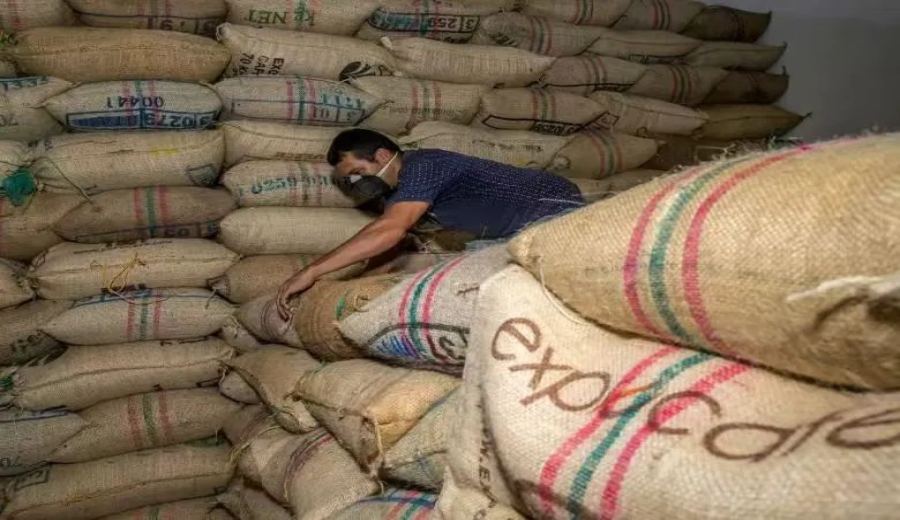
Introduction:Colombia’s coffee production saw a significant rebound over the past year, rising by 21% annually to reach 12.41 million bags, thanks in large part to improved weather conditions and the introduction of disease-resistant varieties. However, potential U.S. tariff policies and global logistics bottlenecks are adding uncertainty to export prospects. This article delves into the current state of Colombia’s coffee production and sales, the reasons behind key data trends, and the potential variables the market may face in the future.
The latest statistics from the Colombian Coffee Growers Federation (FNC) show that the country’s coffee industry is in a clear phase of recovery. Over the past 12 months, total production increased by 21% compared to the same period last year, reaching an impressive 12.41 million bags (each bag weighing 60 kilograms). This growth is primarily driven by improved weather conditions, the gradual adoption of disease-resistant varieties, and rising global coffee prices, which have encouraged a rebound in planting enthusiasm.
In particular, November alone saw a monthly output of 1.76 million bags, a staggering 37% increase compared to the same month last year. FNC officials stated that this surge in production is due to multiple factors, including recent climate stabilization and the success of a multi-year program to replace disease-susceptible varieties. Between December of last year and November of this year, as much as 90,000 hectares of coffee farms were renovated, marking the highest figure in the past 11 years.
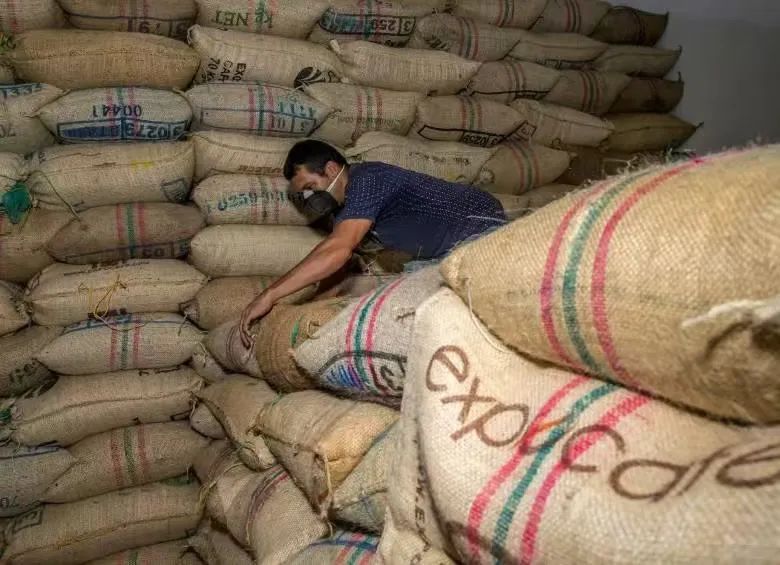
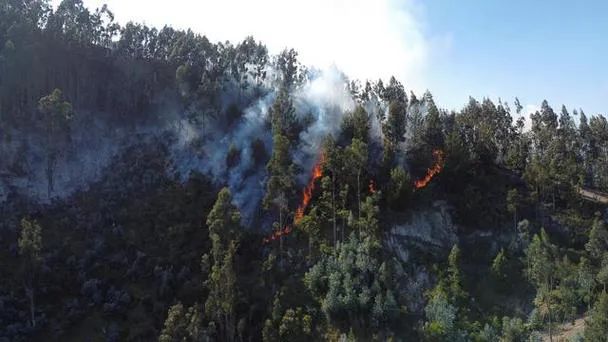
Looking back over the past three years, Colombia’s coffee industry has gone through a rollercoaster ride. Affected by the alternating impacts of La Niña and El Niño phenomena, production once dropped significantly, and farming costs continued to climb. This summer, the country also faced severe droughts and forest fires, and it wasn’t until October, when the rainy season returned, that the situation gradually improved, driving both production and exports upward in tandem.
With global coffee prices on the rise, growers’ incomes have also increased, giving them more leeway to invest in farm infrastructure and variety improvement. The Colombian government has also stepped up support—for example, Bancóldex (Colombia’s development bank) announced an investment of 220 billion pesos to support agricultural development and address the impact of extreme weather. Meanwhile, the FNC has partnered with Starbucks to provide local coffee farmers with 55.7 million high-quality coffee seedlings that are resistant to rust and berry diseases, helping to enhance long-term productivity and resilience in the producing regions.
Nevertheless, future challenges remain significant. The industry is generally concerned that the new U.S. President, Donald Trump, who may take office next January, could implement stricter trade policies toward Colombia, particularly raising tariffs, which could directly drive up export costs. Currently, the United States is Colombia’s largest coffee export market, accounting for 29.2% of its total export sales, with main imports including coffee, flowers, gold, and fuel.
Logistics also faces major hurdles. The president of the Colombian Coffee Exporters Association (Asoexport) pointed out that recent domestic truck driver strikes and road blockades have already had a notable impact on land transportation. Coupled with geopolitical tensions—especially shipping disruptions caused by the Red Sea crisis—many major global ports, including those in Colombia, are experiencing severe congestion, leading to a serious shortage of containers and further slowing down transport schedules.
These logistics bottlenecks are already having tangible effects. Many exporters report that large quantities of coffee containers are currently stuck at port terminals, not only incurring additional storage, demurrage, and pre-stacking fees but also severely hampering overall export efficiency and cost control.
Although the production rebound has boosted market confidence, experts also caution that Colombia’s production increase is still not enough to fully offset the output declines in other major producing regions such as Brazil. As a result, international coffee prices are expected to remain high. For consumers, this means that the price of high-quality Colombian coffee may stay elevated for some time to come, while for traders and roasters, managing logistics instability and potential tariff risks will be key challenges.
The above content is compiled by CoffeeHunters, a coffee news website.


