







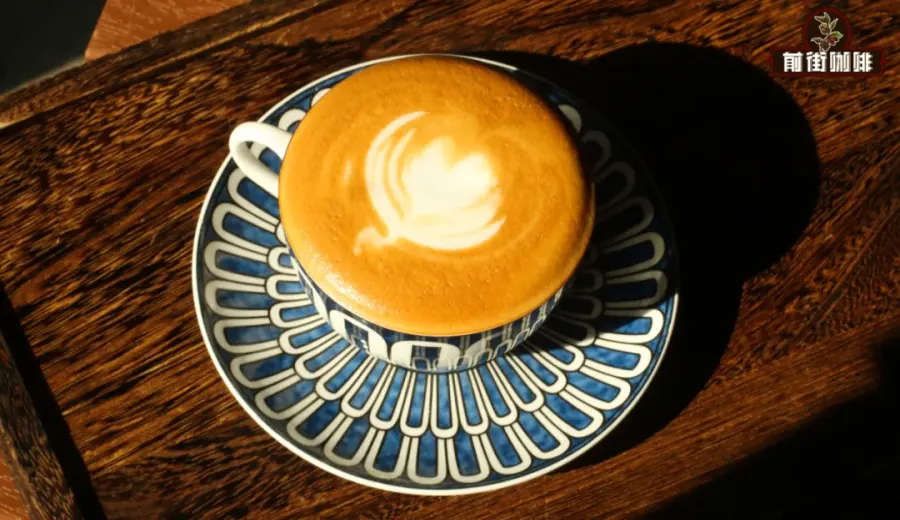
Introduction:As a classic representative of milk coffee in Europe, Café au Lait has a distinctly different cultural background and flavor profile from Italian-style latte. This article delves into the original French meaning and historical roots of "Café Au Lait", helping you distinguish its core differences from latte. It also provides detailed pour over brewing parameters—including key values such as coffee-to-water ratio, water temperature, and grind size—while recommending high-bodied dark roast beans that pair well with milk, allowing you to easily brew a perfectly proportioned French-style milk coffee at home.
When it comes to milk coffee, many people’s first thought is various combinations of espresso and milk. However, before the rise of espresso culture, Europe already had a classic beverage made by blending black coffee with milk—Café au Lait. This drink not only has a long history but also boasts a unique charm distinct from Italian-style milk coffee. This article will guide readers through the French meaning and cultural origins of Café au Lait, compare its essential differences with latte, and share how to use highly concentrated pour over coffee mixed with milk in equal proportions to create a balanced-flavor Café au Lait. It also recommends several dark roasted coffee beans that pair well with milk, enabling you to easily recreate this French classic at home.
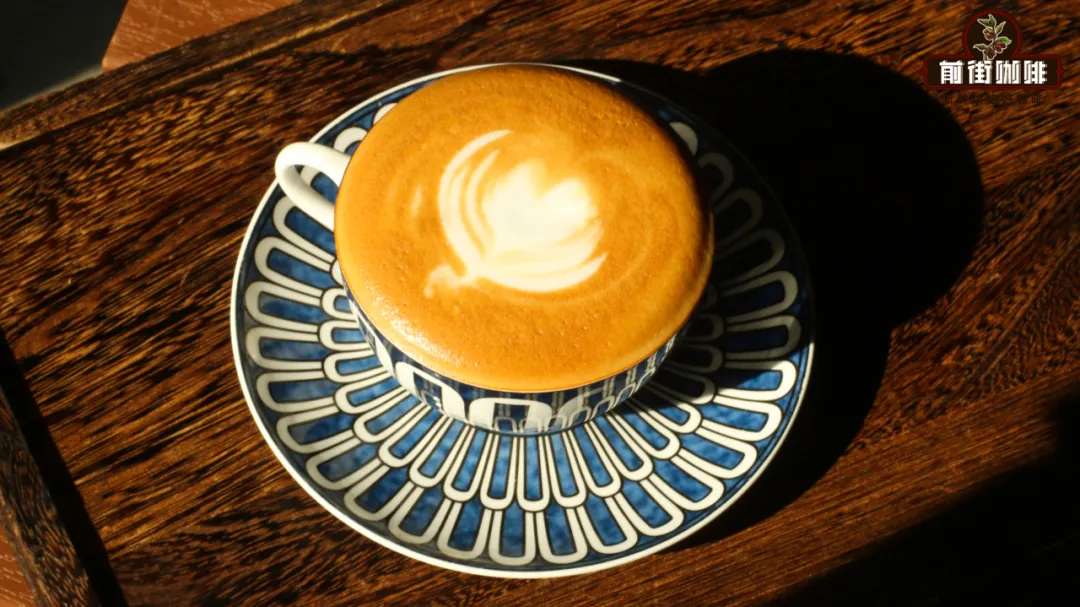 When "milk coffee" is mentioned, most people immediately think of various drinks made with espresso and milk. Due to its long history and widespread popularity, Italian-style milk coffee has become many people’s first impression of milk coffee. However, long before the emergence and popularization of espresso, a beverage that combined black coffee with milk had been popular in Europe for centuries. Though less intense than Italian-style milk coffee, it possesses a unique charm. This is the star of today’s discussion—Café au Lait.
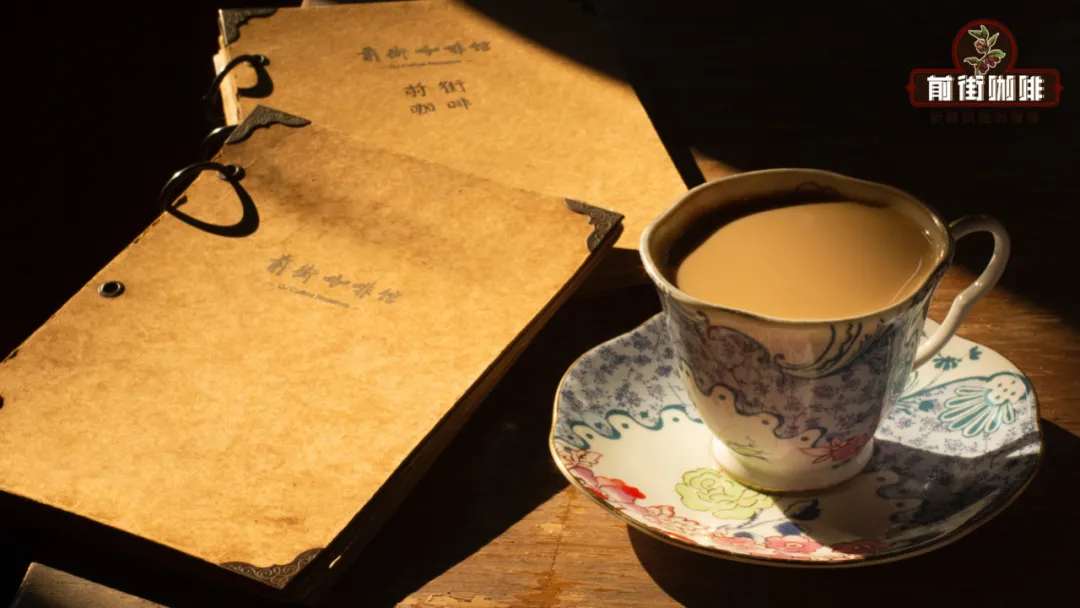
The name Café au Lait originates from the French "Café Au Lait". "Lait" means milk in French, so "Café Au Lait" literally translates to milk coffee. In 17th- and 18th-century France, this drink was extremely popular and, due to its simplicity in preparation, became a staple on many family breakfast tables. Interestingly, neighboring Austria and Hungary saw the emergence of similar milk coffee beverages around the same period. Among them, the founder of Austria’s Blue Bottle, Kurzinsky, reportedly established the Blue Bottle as a reward for his military achievements and was the first to add milk to coffee, earning him the title "Father of Milk Coffee". This piece of history might be worth detailing further.
 Many coffee enthusiasts may have already tried making Café au Lait themselves. However, according to actual feedback, many find it challenging to achieve the ideal flavor on their first attempt. Dark roasted coffee beans often carry rich products of caramelization reactions, emitting a strong roasted aroma and offering a full-bodied taste that harmonizes well with milk. To brew a satisfying cup of Café au Lait, it is recommended to choose dark roast beans such as PWN Golden Mandheling, Queen’s Estate, or Blue Mountain No.1.
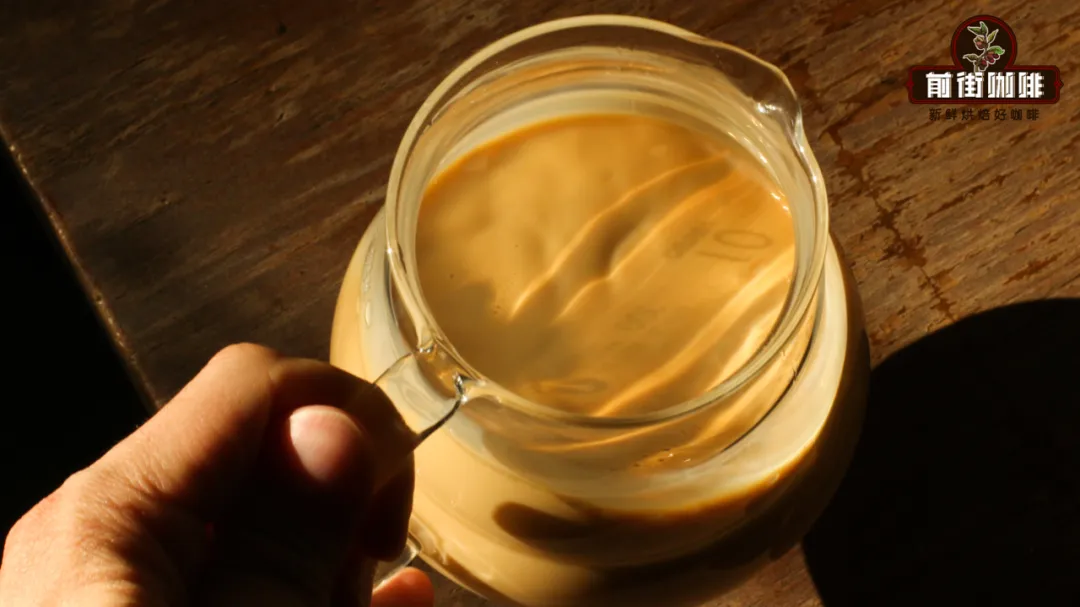
The brewing process for Café au Lait is quite simple, with the key being to extract a highly concentrated pour over coffee and then mix it with an equal proportion of milk. This demonstration uses Costa Rican Mozart beans, with specific parameters as follows:Coffee dose: 20 grams,Coffee-to-water ratio: 1:10 (total water volume: 200 milliliters),Grind size: 85% passing through a #20 sieve, equivalent to 9 on the ek43 grinder (slightly finer than conventional hot brew settings),Water temperature: controlled at 92°C, usinga V60 dripperfor brewing, paired with160 milliliters of milk at approximately 60°C. These parameters help you consistently extract a well-balanced coffee base.

The above content is compiled by CoffeeHunters, a coffee news website.


