







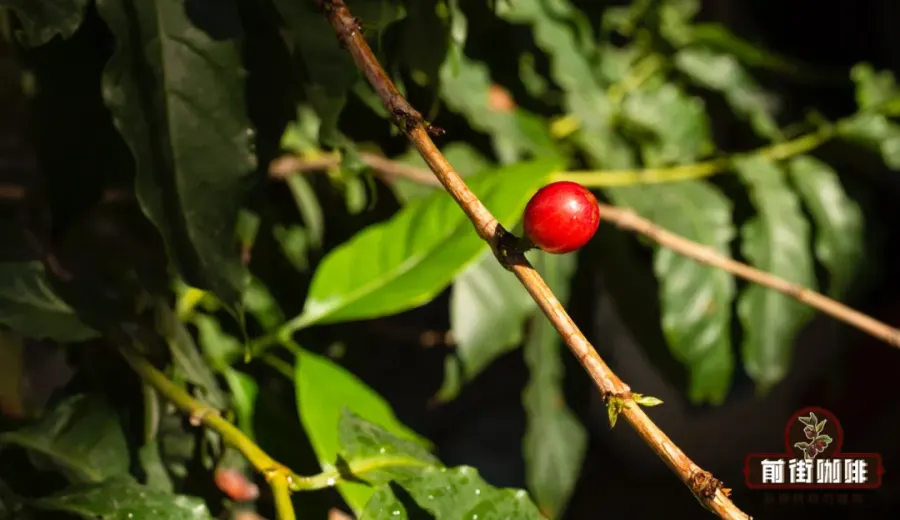
Introduction:Did you know that behind a great cup of coffee might lie the precise harvesting of only fully ripe cherries? Fully red cherries aren’t just a picking standard — they’re a key starting point for ensuring flavor stability and quality improvement in specialty coffee. This article delves into why fully red cherries are crucial to coffee quality, revisits the challenges of early coffee harvesting, and introduces how the 2007 Red Cherry Project launched by a Dutch green coffee trader helped reverse the vicious cycle of poor harvesting and created a positive loop for farmers, the supply chain, and consumers alike.
In the world of specialty coffee, it’s common to see labels like “fully red cherry natural.” But did you know that “fully red cherries” isn’t actually a processing method, but rather a strict selection criterion during the coffee fruit harvesting stage? Simply put, harvesting only fully red cherries means that coffee farmers pick only those coffee fruits that have fully matured and turned a deep red color. While this practice may seem basic, it is a foundational element that significantly impacts the final flavor and quality of the coffee.
You might ask, why emphasize “fully red cherries” specifically? The answer lies in the fact that only ripe coffee cherries contain sufficient sugars and flavor precursors — key elements that roasters and brewers can ultimately bring out in the cup. In contrast, if unripe cherries are mixed in, not only will the overall flavor profile of the batch be diminished, but those unripe cherries may even be classified as defects, directly affecting the final evaluation.
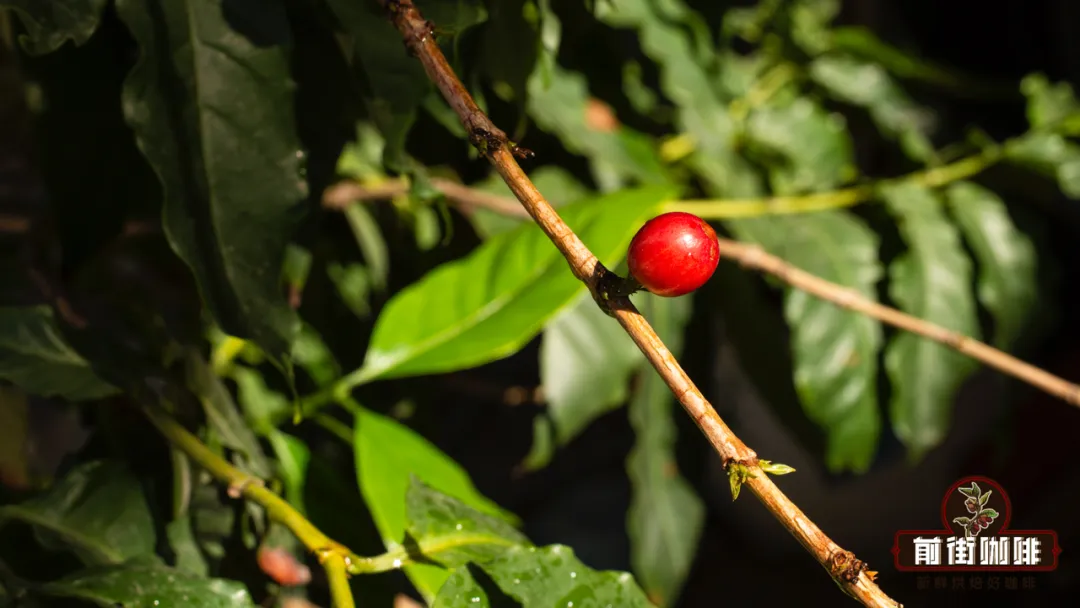
The ripening process of coffee cherries is not synchronized. On a single coffee tree, it often takes several weeks or even months for the cherries to gradually turn red. This makes harvesting only fully red cherries highly labor-intensive, requiring individual inspection and selection. In the era when specialty coffee was not yet widespread, since the market primarily traded based on weight rather than quality, many farmers, in pursuit of speed and high yield, would often harvest indiscriminately — picking both ripe and unripe cherries together.
Although this method saves time and effort, it results in a mix of unripe cherries, severely compromising the consistency and quality stability of the entire batch. It not only increases the cost of subsequent processing and sorting but also greatly diminishes the coffee’s flavor. This vicious cycle further drives down purchase prices, forcing farmers to continue harvesting unripe cherries just to make a living — creating a negative feedback loop of “low price → low quality → low income.”
The turning point came in 2007 with the launch of the “Red Cherry Project (Operation Cherry Red)” by the major Dutch green coffee trader Trabocca. The core of this initiative was to encourage farmers to put more effort into maturity-based selection and quality control during harvesting by offering higher prices for fully red cherries. When farmers receive fair compensation for providing higher-quality coffee, they are more motivated to improve their harvesting processes and post-harvest handling techniques.
This model not only enhanced the final coffee’s flavor and consistency but also allowed consumers to enjoy a superior coffee experience. For green coffee traders, having a stable and high-quality supply source also reduced quality control risks and subsequent processing costs. In short, the Red Cherry Project successfully established a sustainable win-win-win model for all three parties.

It’s worth noting that although fully red cherry harvesting is now considered a basic requirement in specialty coffee, in certain special regions or for specific varieties, adjustments may still be made based on the natural ripening color of the cherries. For example, some varieties turn yellow or orange when ripe, rather than the traditional red, and in such cases, judgments and harvesting must be made according to the specific characteristics of the variety.
In summary, fully red cherry harvesting is not just a harvesting standard — it symbolizes a commitment to coffee flavor and quality. The shift from an earlier weight-focused approach to today’s emphasis on maturity and consistency reflects the coffee industry’s ongoing pursuit of sustainability and quality. And the success of the Red Cherry Project is one of the key drivers of this transformation.
The above content is compiled by CoffeeHunters, a coffee news website.


