







Introduction:Want to understand how a Ristretto differs from a regular espresso? This article takes an in-depth look at this popular “concentrated espresso” often found on Italian-style coffee menus. From extraction principles and flavor characteristics to pairing with flat whites, we’ll guide you through the correct brewing methods and key parameters, helping you avoid common issues like under-extraction or over-extraction—so you can enjoy a professional-grade espresso experience at home.
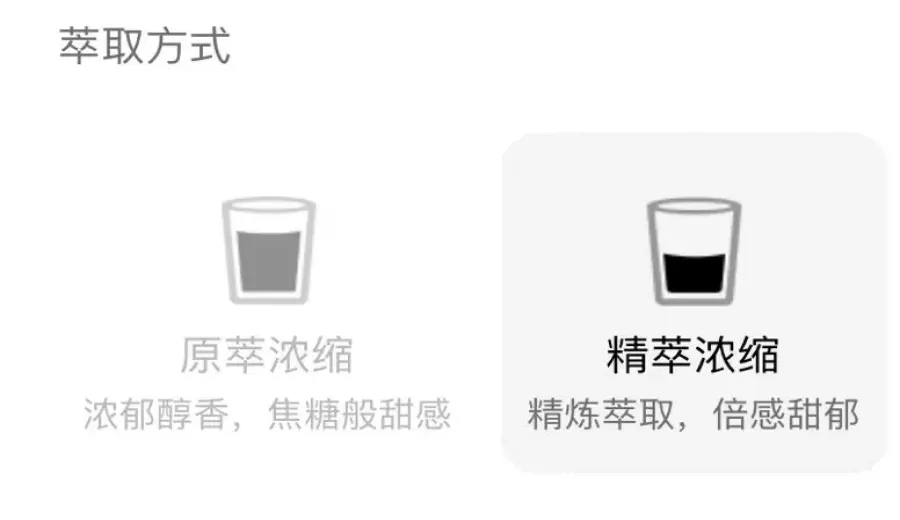
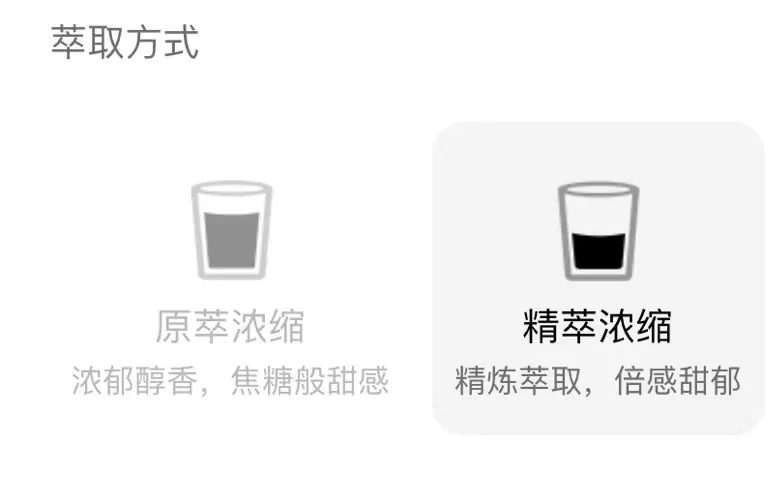
On the drink menus of many chain coffee shops, besides the standard espresso, you might also come across an option called “concentrated espresso.” This is actually what the coffee world knows as a Ristretto—a term derived from Italian meaning “restricted,” referring to a method of coffee extraction. Although it’s made using the same espresso machine, Ristretto differs significantly from a regular espresso in terms of extraction ratio and flavor profile.
The key to a Ristretto lies in controlling the volume of extracted liquid. Typically, it uses the same amount of coffee grounds as a regular espresso but reduces the final output of liquid, thereby achieving a higher concentration and more intense flavors. In simple terms, it’s a type of espresso where the extraction volume is “restricted,” emphasizing a rich yet balanced taste.
Many people mistakenly believe that simply halving the liquid volume of a regular espresso is enough to make a Ristretto. However, while this approach can increase concentration, it may also lead to uneven flavors or unpleasant bitterness due to incomplete extraction of the coffee’s early-stage essences. In fact, only about 30% of a coffee bean’s components are water-soluble, and only roughly two-thirds of those are desirable flavor compounds. Therefore, to create a coffee that is both intense and smooth, it’s essential to precisely adjust various extraction parameters—including coffee dosage, grind size, extraction time, and coffee-to-water ratio.
Taking a common professional practice as an example, when making a standard espresso, 20 grams of coffee grounds are typically used, extracting around 40 milliliters of coffee liquid in approximately 30 seconds. This corresponds to a coffee-to-water ratio of 1:2. These parameters strike a balance between concentration and flavor complexity, and are the recommended baseline by most professional baristas.

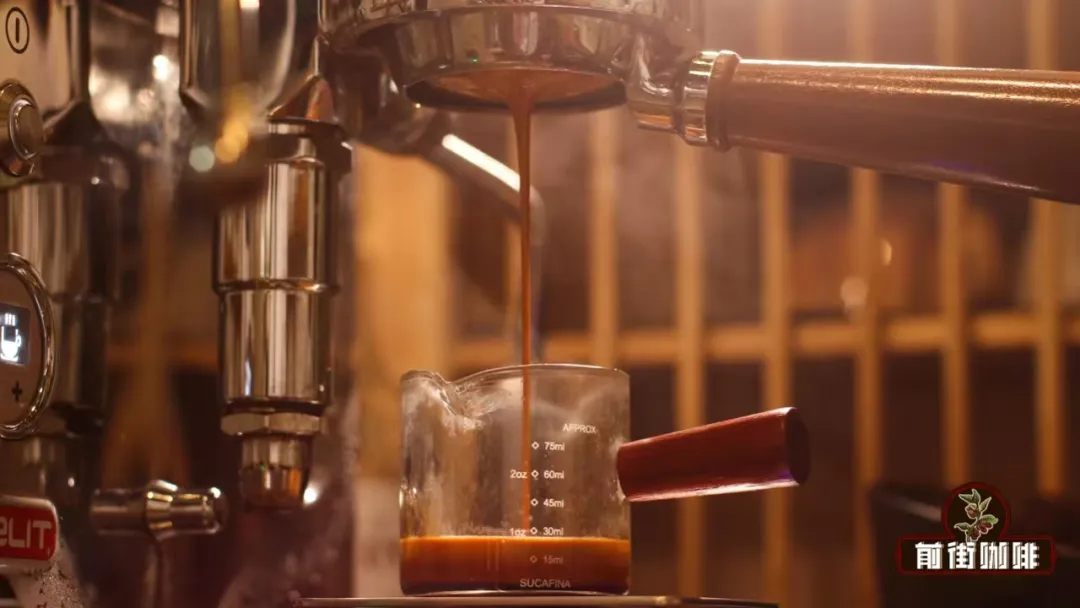
As for Ristretto, under the same coffee dosage and grind settings, the extraction time is further shortened or the flow rate is adjusted to compress the final liquid volume to around 20 to 30 milliliters. This adjustment helps retain more of the high sweetness and acidity from the early stage of extraction, while reducing the bitter and astringent substances that might be released later. However, making a good Ristretto isn’t just about reducing the liquid volume—it also requires synchronizing adjustments to pressure, water flow, and grind to ensure the flavor remains balanced and not compromised by under-extraction.
Additionally, Ristretto serves as an important base for many classic coffee drinks, such as the flat white. Compared to a latte, which uses a standard espresso, a flat white often opts for Ristretto as its coffee foundation to deliver a richer and more layered taste. This makes choosing the right type of espresso one of the key factors influencing the final flavor profile.
In summary, understanding the difference between Ristretto and a regular espresso not only helps you make better choices when ordering at coffee shops, but also allows you to explore a richer world of coffee flavors by fine-tuning parameters during home brewing. Mastering these basic principles and practical techniques will help you level up easily and enjoy a professional-grade coffee experience.
The above content is compiled by CoffeeHunters, a coffee news website.


