







Introduction:Dive deep into the sun-dried Geisha coffee from Colombia’s Finca La Esperanza, exploring its fruit-layered aromas to its rich aftertaste and uncovering the secrets behind its distinctive flavors. This article takes you on a journey through this renowned coffee-growing region with multiple high-altitude sub-farms, analyzing the growing conditions and processing methods of the Geisha variety, as well as how the farm has consistently achieved top honors in international competitions — providing a practical reference for readers seeking high-quality coffee beans.
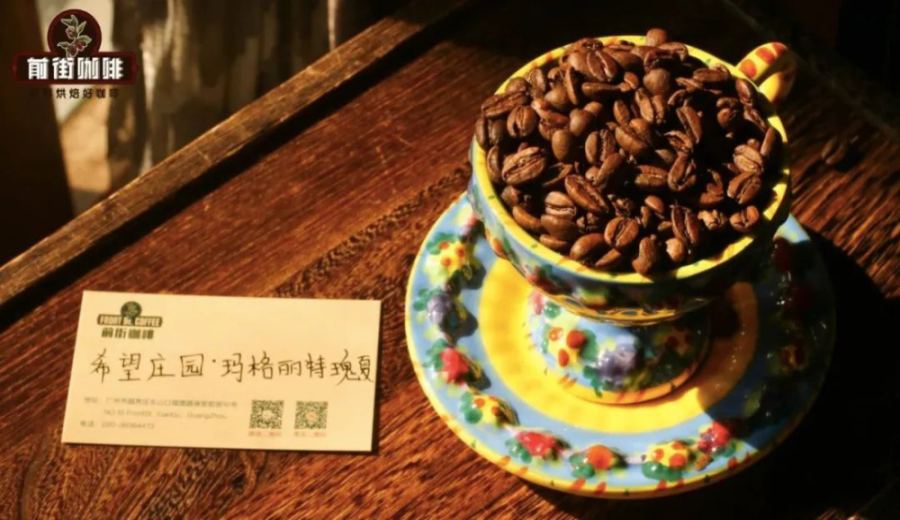
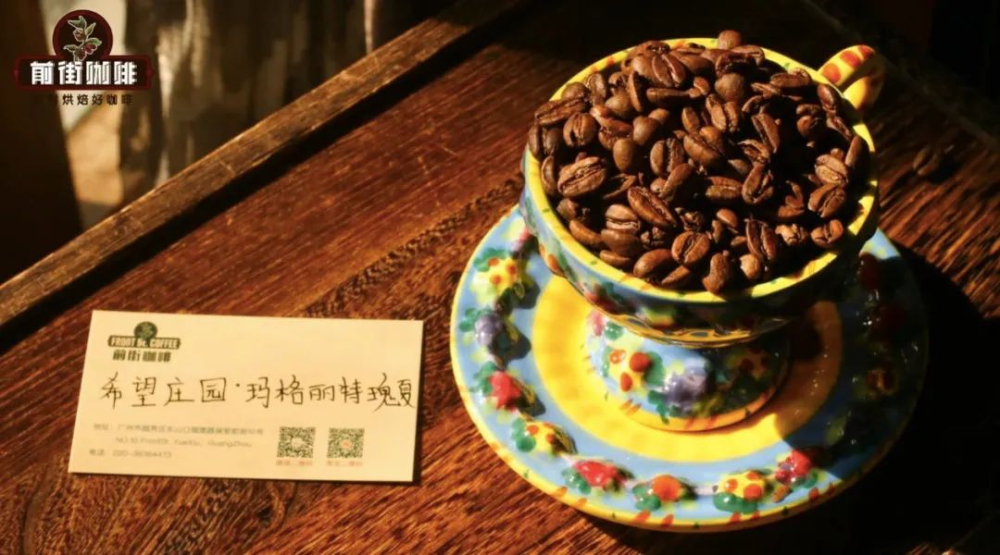
Recently launched is a sun-dried Geisha coffee bean from Colombia’s Finca La Esperanza. When brewed, it emits distinct blueberry and dark plum aromas, while sipping reveals an interplay of blackcurrant juice, orange, and various berries. The cup is full-bodied with intense juiciness, and the aftertaste carries a lingering wine-like texture that is truly impressive.
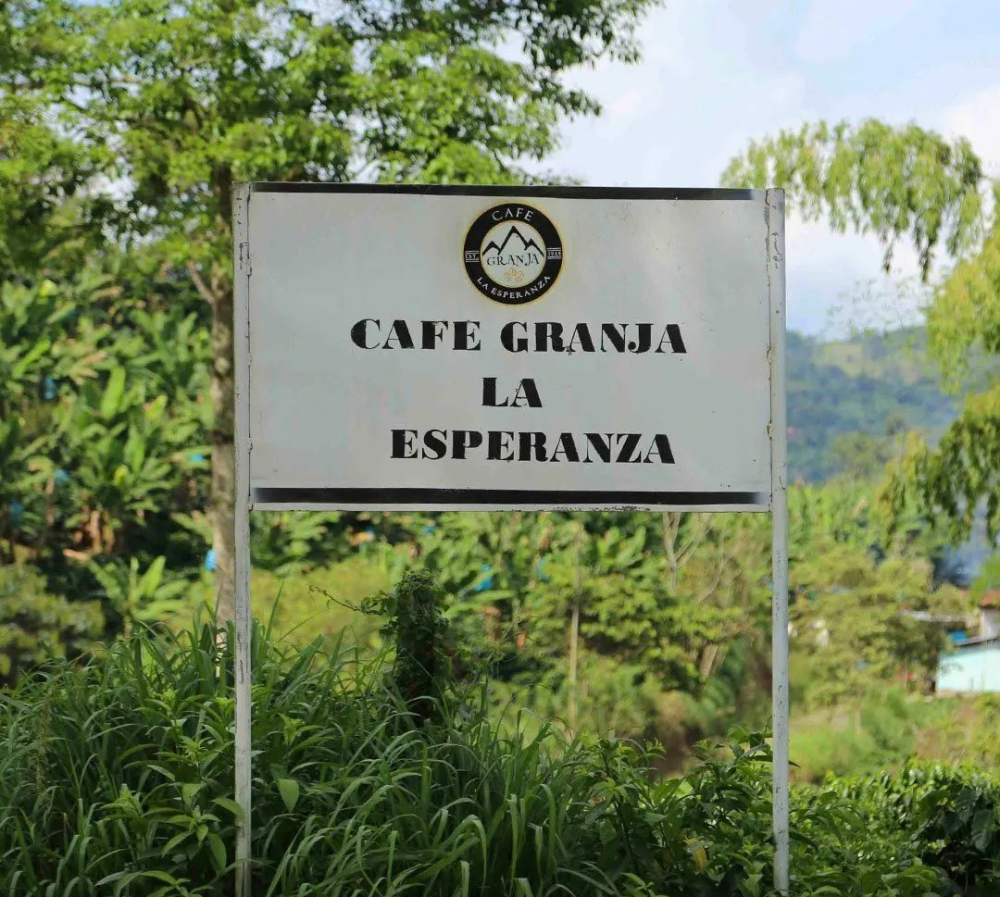
This remarkable coffee bean comes from Colombia’s Cafe Granja La Esperanza, commonly translated in Chinese as “Hope Estate.” Over the past decade, the estate has consistently stood out in global coffee evaluation competitions, earning over sixty awards in total. Its specialty coffee quality has gained wide international recognition, even extending to Panama’s BOP (Best of Panama) competition where it has performed exceptionally well.
Hope Estate is actually composed of multiple high-altitude sub-farms located in different regions of Colombia, including Potosí, Cerro Azul, Las Margaritas, La Esperanza, and Hawaii. Among them, the Hawaii section is located in the Cundinamarca department, while the other four are concentrated in the Valle del Cauca department, one of the country’s key specialty coffee-producing regions.
The history of Hope Estate dates back to the 1940s, when it was founded by Blanca Ligia Correa and Juan Antonio Herrera. The couple initially worked at a farm in Potosí and gradually developed an interest in growing specialty coffee, eventually deciding to purchase the farm. In its early days, the farm mainly grew Typica, but the owners were not satisfied with this alone. They began introducing and experimenting with more coffee varieties, including Yellow Bourbon, Bourbon, and Caturra, and additionally set up a dedicated area within Hope Estate to cultivate new varieties.
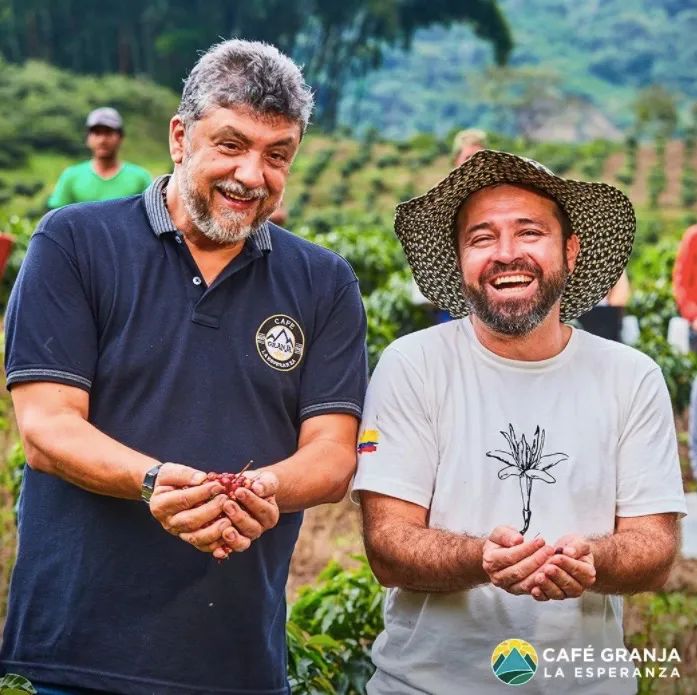
The farm’s planting altitudes range approximately between 1400 to 1860 meters. Influenced by valley breezes, temperatures remain consistently between 17°C and 22°C year-round, with an average annual rainfall of up to 1340 mm — providing an ideal growth environment for coffee trees.The estate is now managed by the second generation of the family, with brothers Rigoberto and Luis showing the greatest enthusiasm and expertise in coffee cultivation and quality management.
In 2007, Rigoberto rented land in the Boquete region of Panama to grow Geisha. In 2008, he won the Best of Panama (BOP) championship and followed it up with a second-place finish the next year, propelling Hope Estate to fame. Subsequently, he introduced the Geisha variety to the Hope Estate in Colombia, particularly in the Las Margaritas plot, which is also the source of the sun-dried Geisha coffee introduced here. The estate currently spans a total area of 150 hectares and grows a diverse range of varieties in addition to Geisha, including Sidra, Mocha, Bourbon (including Red Bourbon, Yellow Bourbon, and Tekisik), SL28, Pacamara, San Bernardo, and Pache — demonstrating a strong commitment to experimenting with specialty coffee varieties.
As the core production region of the estate, Colombia’s Valle del Cauca department benefits from a unique dual dry and dual wet seasonal climate, resulting in two annual coffee harvest seasons. Such geographical and climatic conditions once made this area a powerhouse of Colombian coffee production. Even as the focus of specialty coffee production has shifted southward in recent years, the Valle del Cauca continues to host numerous well-known estates dedicated to cultivating techniques and processing method innovations, among which Hope Estate stands out as a leader.
Hope Estate is currently operated by a professional team of over a hundred members, including PhD-level botanists and three expert Q-graders. The team utilizes a meteorological station located on the estate to continuously record weather data and conduct weekly analyses to optimize harvesting and processing schedules. Notably, the harvesting of Geisha cherries is carried out entirely by rigorously trained workers who manually select only fully ripe coffee cherries. Harvest wages are calculated by day rather than by weight, ensuring that every coffee fruit reaches optimal ripeness. Additionally, over half of the harvesting workers have more than six years of experience, significantly reducing the risk of harvesting defects.
The harvested Geisha cherries are immediately sent to the central processing facility, with each batch clearly labeled and processed separately. During the sun-drying process, an initial drying phase of about three days is carried out first, followed by slow drying in small drying towers to ensure concentrated and consistent flavor development.
In terms of variety selection and experimentation, Hope Estate maintains an open and innovative approach. In addition to the previously widely planted Caturra variety, the estate cultivates Geisha, organic Geisha, Mocha, various Bourbons (including Red Bourbon, Yellow Bourbon, and Tekisik), SL28, Pacamara, San Bernardo, and Pache. This diverse varietal lineup not only showcases the estate’s deep exploration of coffee flavor potential but also offers global coffee enthusiasts a more varied taste experience.
The above content is compiled by CoffeeHunters, a coffee news website.


