







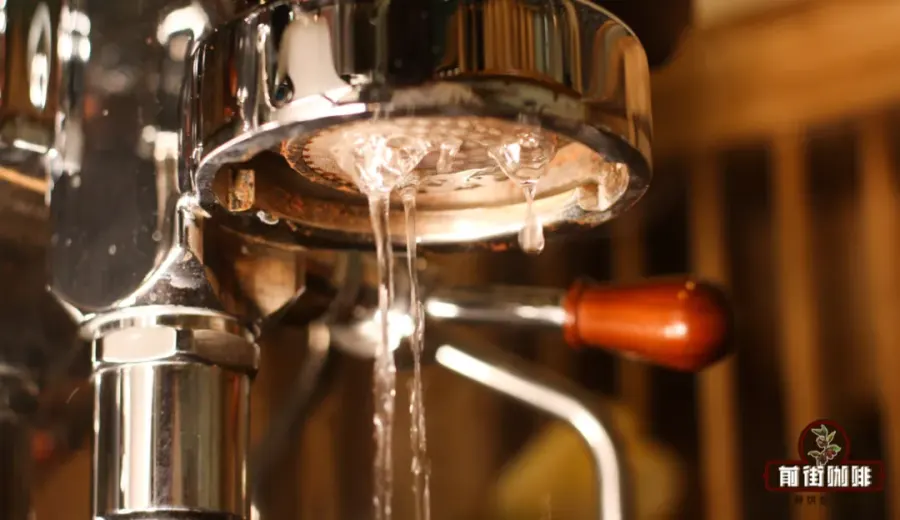
Introduction:Before extracting espresso, many professional baristas perform a seemingly simple yet extremely important step: pre-wetting with hot water. This action not only cleans the group head but also ensures stable water temperature and pressure during extraction, thereby influencing the flavor profile of the espresso. Practical tests have shown noticeable differences in extraction yield and taste before and after pre-wetting. This article will delve into the principles and practical operations of pre-wetting to help you master this key technique for enhancing coffee quality.
When operating an espresso machine to extract espresso, many experienced baristas will first let hot water run through the group head for a few seconds before the actual extraction. This action may seem redundant, but it actually plays a crucial role in extraction stability and the final flavor of the coffee. Many beginner baristas often overlook this detail, yet even slight attention to it can lead to noticeable improvements in extraction results.
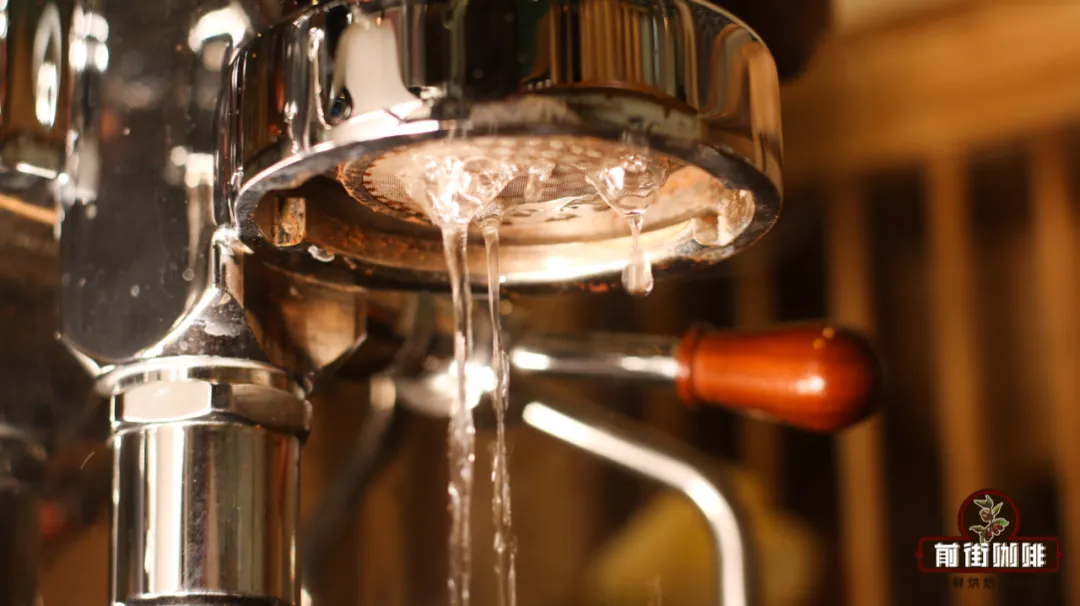
This step is usually performed before locking the portafilter into the group head: the water valve is opened to let hot water flow out for a few seconds, followed by the actual extraction. Many people wonder why extraction can’t just begin right away. In fact, this brief pre-wetting process serves the dual purpose of cleaning and stabilizing.
The primary function is to clean the group head.After each extraction, even after rinsing, trace amounts of coffee grounds may still adhere to the shower screen or inside the group head. If these residues are not removed, they can affect the purity of the next extraction. Pre-wetting helps flush out these residual grounds, ensuring cleaner water for the next extraction and preventing off-flavors or impurities from interfering with the coffee’s true character.
Another key reason is to ensure stability in extraction conditions. Skipping pre-wetting may lead to unstable water temperature and pressure during extraction, which can negatively impact the overall performance of the espresso. According to practical tests, under the same extraction parameters (20 grams of coffee grounds, extracting 40 milliliters of espresso), two samples — one with pre-wetting and one without — showed distinctly different flavor profiles.
In taste tests, the espresso extracted without pre-wetting exhibited more pronounced acidity, with an overall lighter taste and less complexity. In contrast, the cup that underwent pre-wetting displayed a richer and more balanced flavor. Further testing with a coffee concentration meter revealed extraction yields of 20.44% and 21.07% respectively, confirming the tangible impact of pre-wetting.
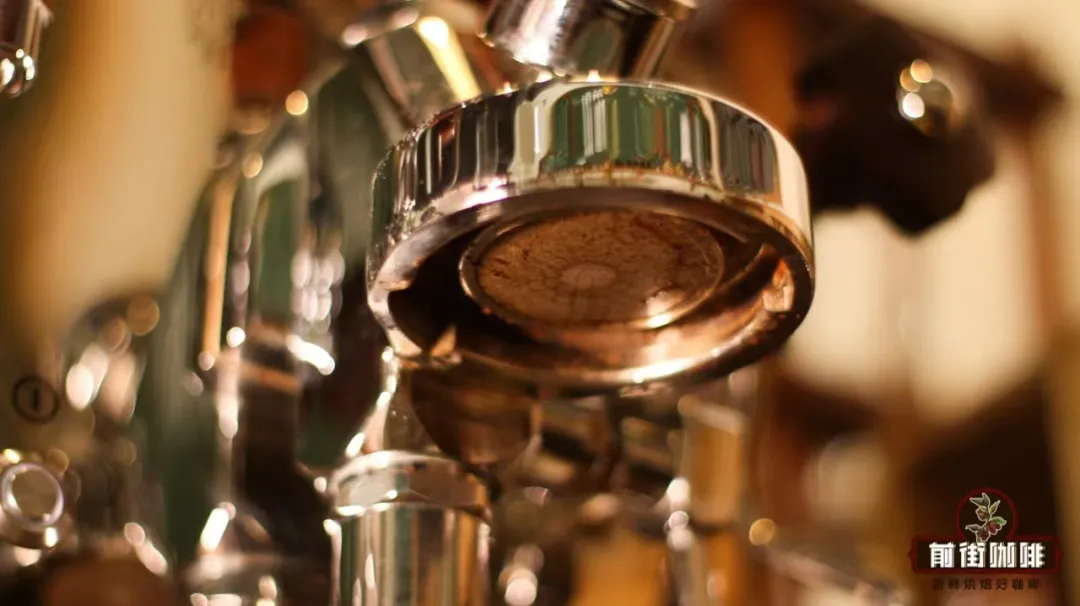
These differences primarily stem from inconsistencies in water temperature during extraction. If the espresso machine has not been used for a while, the lack of hot water circulation can cause the metal parts of the group head to cool down. Direct extraction in this state causes the flowing water to absorb heat from these cooler areas, resulting in an actual extraction temperature lower than expected, which in turn affects extraction efficiency and flavor release.
Another scenario is when the water in the boiler, having been stagnant for a long time, may accumulate excess heat and reach a temperature slightly higher than the set value. Without pre-wetting, using this water for extraction can lead to over-extraction, resulting in bitter or overly intense flavors.
Therefore, pre-wetting is not just about cleaning; it is also a crucial step for balancing water temperature, stabilizing pressure, and ensuring consistent extraction. It is recommended to develop the habit of pre-wetting for a few seconds before each extraction, especially after the machine has been idle for some time, as the effect is even more significant. By paying attention to this detail, you will be able to consistently produce espresso with a balanced flavor and rich complexity.
The above content is compiled by CoffeeHunters, a coffee news website.


