








Introduction:Have you ever wondered why espresso is popular overseas but rarely ordered locally? This highly concentrated coffee with a strong bitterness actually contains rich aromas and unique flavors. This article delves into the TDS concentration of espresso, the sources of its bitterness, and explores the differences between dark roast blends and SOEs, guiding you through key extraction techniques and flavor identification skills.
Espresso, as a classic Italian beverage, is renowned for its high concentration and quick extraction, but its intense bitterness deters many. In fact, its TDS (total dissolved solids) concentration typically ranges between 7% and 12%, much higher than that of common pour over coffee, which is the main reason behind its bold taste.
However, bitterness does not equate to poor quality. Especially when made with dark roast blends, espresso often emits captivating aromas of caramel, dark chocolate, and roasted nuts. These layered, complex flavors are the core essence sought by true enthusiasts.
In Italy, espresso is an indispensable part of daily life. Locals are accustomed to quickly enjoying a cup amidst their busy schedules, emphasizing efficiency and a bold flavor. In contrast, domestic consumers often associate espresso with “bitterness” at first mention, but the expression of bitterness can vary in depth, depending largely on extraction techniques and individual taste preferences.
One regular customer shared that whenever he feels mentally fatigued, he orders an espresso. Though the intense bitterness hits hard upon drinking it in one go, he soon feels revitalized. He jokes, “There’s no denying its energizing effect, though the taste is really bitter!” This reflects the practical value of espresso in providing a quick mental boost.
Unlike the leisurely process of pour over coffee, espresso emphasizes “short time, high pressure, high concentration,” making it the most popular quick beverage in European cafés. Its appeal lies not in being mild or smooth, but in the strength and complexity of its concentration.
The TDS concentration of espresso usually reaches as high as7%–12%, far exceeding the SCA Golden Cup Standard’s recommended1.15%~1.35%extraction range. This means every sip is a concentrated essence. Although the bitterness stands out, it is not a sign of poor quality but rather an intense sensory experience.
The caramel, dark chocolate, and even roasted nut aromas brought by dark roast beans are among the reasons espresso is so well loved. One café uses a classic blend of Brazilian, Mandheling, and Robusta beans, extracted under high pressure with a 1:2 coffee-to-water ratio. This not only produces a thick crema but also releases rich aromas during brewing. Near the rim of the cup, one can smell the intense scents of caramel cookies and dark chocolate, as if standing in a bakery.
Upon the first sip, the strong bitterness from the crema might make one frown, but if you take the time to savor it and exhale through the nose, the bitterness gradually transforms into an aftertaste, accompanied by subtle coffee fragrance and a faint sweetness. This shift from intense to gentle is the very charm of espresso.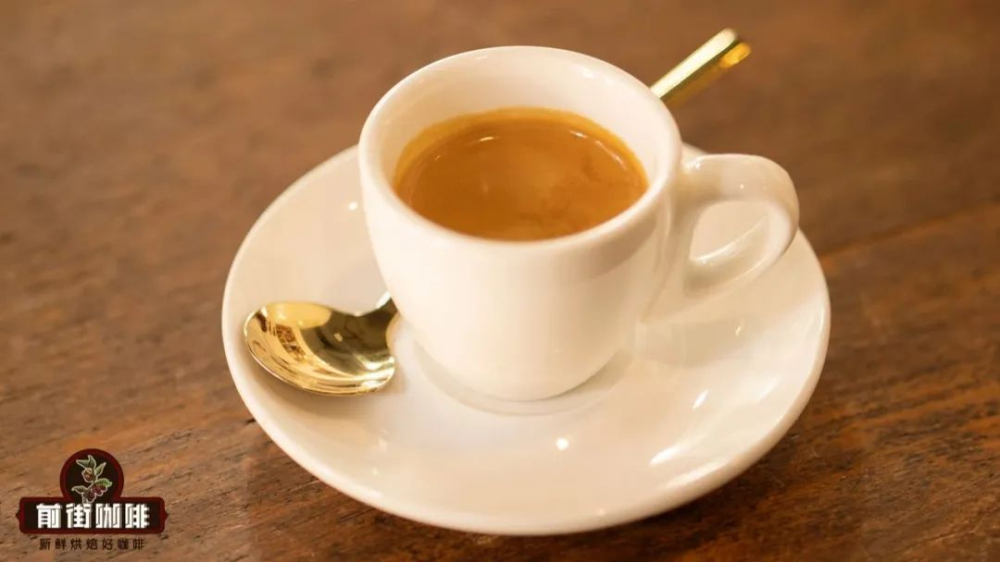
Many espresso lovers are actually more interested in the layered aromas hidden beneath the bitterness, as well as the thick texture and mouthfeel provided by the crema, rather than simply seeking a jolt.
Although for most people, the first impression of espresso remains that of a bold, bitter drink reminiscent of traditional Chinese medicine, with the rise of specialty coffee trends, more and more high-quality single-origin beans (SOEs) are being used in espresso preparation. By adjusting roast levels and extraction parameters, they showcase entirely different flavor profiles.
SOEs typically use beans roasted lighter and with more pronounced fruit acidity, aiming to present clear and identifiable flavor profiles. Under conditions of high temperature, high pressure, and fine grinding, these beans may exhibit special flavors such as juiciness and fermentation notes, distinctly different from traditional dark roast blends.
For example, one café brews ‘Mirassou · Strawberry Candy’ using the pour over method, showcasing distinct raisin, strawberry gummy, and subtle floral notes. But when extracted via espresso, it transforms into a rich red berry jam flavor with orange and chocolate undertones, revealing a completely different sensory layer.
Another example is ‘Boundary Line Estate · Sidamo’. When brewed using pour over, it features passionfruit, grape juice, and almond as dominant notes, full of juiciness. But under espresso extraction, it presents a fermented aroma akin to fruit wine, with a lingering finish of sweet dried apricot, truly surprising.
In summary, the charm of espresso lies not only in its instant energizing effect but also in the complex aromas, textures, and layers revealed after concentration. Whether it’s the bold, bitter richness of dark roast blends or the diverse flavors of SOEs, as long as you master the correct extraction and tasting methods, you can discover your own unique coffee experience.
The above content is compiled by CoffeeHunters, a coffee news website.


