








Introduction:The combination of peanut butter and coffee may seem unconventional, but it has actually become a favorite choice for many coffee enthusiasts. This article delves into the blending principles behind the peanut butter latte, covering everything from ingredient selection and the golden ratio of peanut butter to condensed milk, to the different methods for making hot and iced versions—gradually guiding you through the key techniques. It also explains whether peanut butter should be mixed with milk or espresso first, in order to balance foam texture and peanut flavor. This is a practical guide perfect for readers looking to experiment with creative coffee drinks.
Can peanut butter and coffee be paired together? The answer is yes—and this pairing has long appeared on the specialty menus of many cafés. This article will take you deep into this uniquely flavored fancy coffee, from ingredient selection and the matching ratio of peanut butter to condensed milk, to the differences between making an iced latte and a hot latte, breaking down the preparation process step by step. At the same time, we’ll share one key technique: which ingredient peanut butter should be mixed with first, in order to maintain the delicate texture of the foam without masking the peanut flavor. For coffee lovers who enjoy trying new flavors, this is a beginner-friendly guide worth following to create your own cup.
Sometimes inspiration comes from everyday life—for example, when peeling peanuts in the morning, you might suddenly wonder: can this savory and delicious little snack be incorporated into coffee? And if so, how? With that question in mind, we began experimenting with adding peanut elements to coffee and discovered that many cafés already offer “peanut lattes,” though their methods vary. Therefore, we decided to systematically study this distinctive coffee beverage—from basic recipes to advanced techniques—to provide a more comprehensive hands-on reference.
When it comes to ingredient preparation, to bring out the aroma of peanuts in coffee, the best choice isn’t whole peanuts, but the commonly available peanut butter. So, what’s called a “peanut latte” would more accurately be termed a “peanut butter latte.” Commercially available peanut butter usually has a sweet-and-salty interplay with a nutty aroma and a smooth, fine texture, making it compatible with milk-based coffee drinks whether served hot or iced.

However, peanut butter itself has a relatively high fat content and a flavor that leans toward savory and salty. Mixing it directly with a latte may result in an overly intense overall flavor, affecting the drinking experience. Therefore, it’s recommended to pair it with sweet ingredients such as honey, condensed milk, or syrup—this not only adds layers of flavor but also helps balance the strong characteristics of the peanut butter.
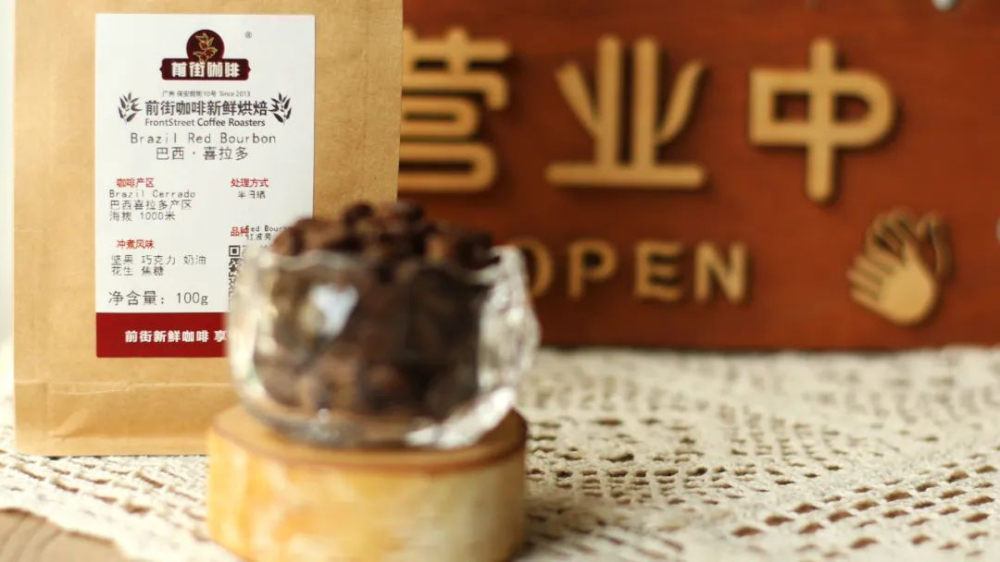
As for coffee bean selection, to enhance the overall nuttiness of the drink, it’s recommended to use Brazilian Cerrado beans with a creamy peanut flavor. These beans are of the red Bourbon variety, medium-to-dark roasted, processed using the honey method. They have a balanced taste, low acidity, moderate strength, and produce good crema after extraction. They’re suitable for making espresso using a moka pot or a professional coffee machine, and are also a common component in many Italian-style blends.
First, let’s introduce how to make an iced peanut butter latte. Step one: prepare a transparent coffee cup, take a spoonful of peanut butter, and evenly spread it along the inner wall of the cup, which helps with subsequent flavor integration.
Next, place about 100 grams of ice cubes and 180 grams of milk in the cup as a base. Then, take 20 grams of fluid peanut butter and 12 grams of condensed milk, and put them in a clean container with a wide opening. It’s recommended to choose a smoother-textured peanut butter, avoiding overly solid products, to facilitate quick blending with other ingredients during stirring.

The third step: using Brazilian Cerrado beans, adjust the grind size on your shop’s espresso grinder to setting 2.0, add 20 grams of coffee grounds, and extract 40 grams of espresso at a 1:2 ratio within 31 seconds.
The fourth step: pour all the extracted espresso into the previously mixed peanut butter and condensed milk, then use an electric mixer to stir until the foam becomes fine and dense, ensuring all ingredients are fully combined.
Finally, slowly pour the prepared coffee mixture over the ice and milk—you’ve now made a fragrant and creamy iced peanut butter latte.
After a gentle stir, you’ll notice a subtle peanut aroma. With each sip, flavors of creamy peanut, milk chocolate, and caramel biscuit unfold layer by layer, with a silky-smooth texture. The addition of ice makes the rich nutty aroma feel even more refreshing while bringing out a gentle milky sweetness. Overall, it’s well-balanced and not overly heavy.
As for the peanut butter hot latte, its preparation logic is similar to that of a regular hot latte, but the key lies in properly controlling the amount and timing of the addition of seasonings like peanut butter and condensed milk—without compromising the foam texture or latte art effect.
Since hot drinks tend to amplify the inherent flavors of ingredients, and adding milk might also produce a somewhat salty-cheese-like characteristic, it’s recommended to moderately reduce the amounts of peanut butter and condensed milk. This article suggests using 12 grams of peanut butter and 6 grams of condensed milk to maintain overall flavor balance.
In initial attempts, we considered whisking the peanut butter and condensed milk together with the milk, using the foam’s vortex and heat to aid blending. However, in practice, we found that peanut butter doesn’t dissolve easily in milk—not only affecting the foam’s fineness and stability but also darkening the milk color, which is not ideal for latte art. Moreover, the improvement in taste was limited.

After adjustments, we switched to first mixing the peanut butter with the espresso, while adding the condensed milk to the milk instead. This method not only resolved the foam-whisking issue but also allowed the peanut flavor to fully express itself in the coffee. The final hot latte has a more balanced taste. The top layer of crema carries aromas of caramel and dark chocolate, while the first sip reveals a rich roasted peanut flavor, paired with warm, smooth hot milk. The overall texture is silky and smooth, like enjoying a peanut-cocoa-flavored cookie.
Beyond the basic methods described above, readers can also experiment based on personal preferences—for example, sprinkling crushed nuts on the coffee surface not only enhances visual appeal but also adds textural layers; you could also try adding a touch of sea salt or replacing the milk base with oat milk to explore even more flavor possibilities.
The above content is compiled by CoffeeHunters, a coffee news website.


