







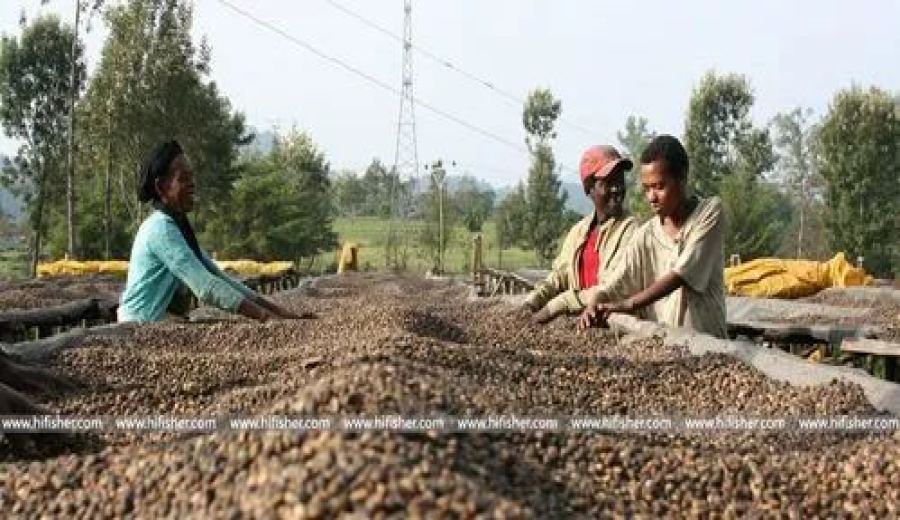
Introduction:Yirgacheffe is one of Ethiopia’s most iconic coffee-growing regions, renowned for its distinctive floral aromas and bright fruity acidity. This article delves into a detailed comparison between the washed and natural processing methods used in this region. By examining the actual flavor profiles of the Kochere washed beans and the Red Cherry natural beans, we’ll explore how different processing techniques influence the final taste of the coffee. We’ll also analyze the region’s geographical environment and traditional processing methods to help you choose the coffee beans that best suit your personal taste.
As the birthplace of Arabica coffee, Ethiopia is home to numerous world-renowned coffee-growing regions. Among them, Yirgacheffe stands out with its delicate floral notes and refreshing fruity acidity, making it a dream origin for many coffee enthusiasts. Even within the same region, choosing between washed or natural processing can result in vastly different personalities and flavor profiles. In this article, we’ll take the Kochere washed beans and Red Cherry natural beans from Yirgacheffe as examples to give you an in-depth understanding of the characteristics and differences between these two processing methods.
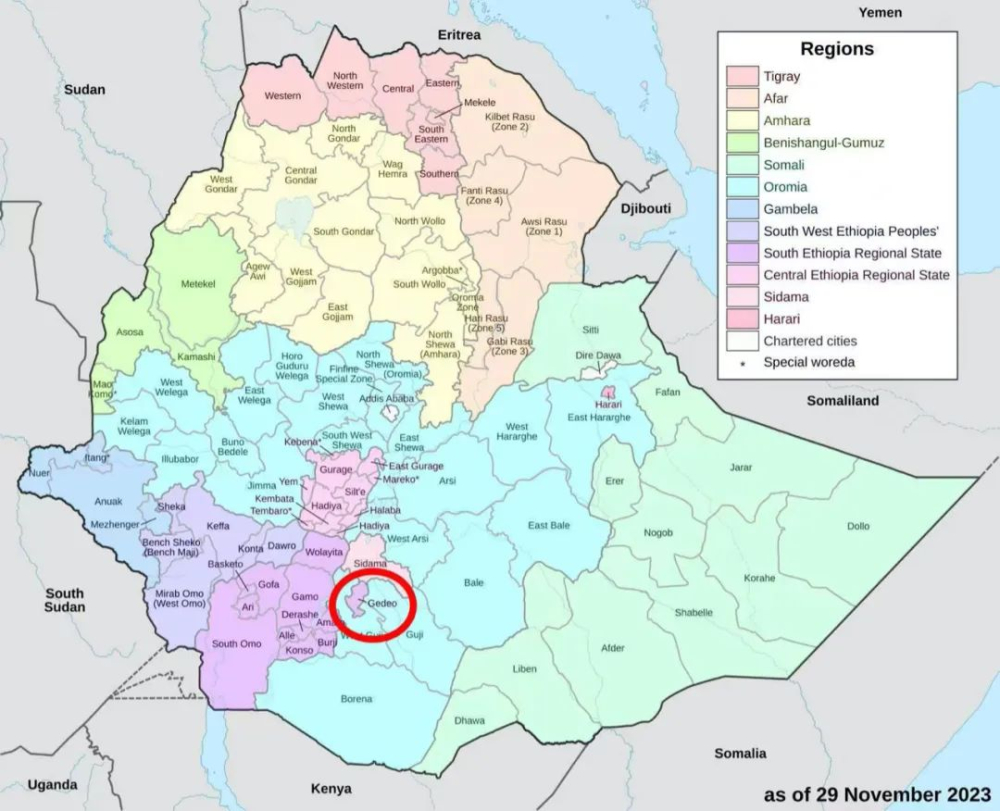
Yirgacheffe is located in south-central Ethiopia, within the Gedeo Zone, and is a well-known coffee town covering an area of approximately 1,600 square kilometers. This area is not only a significant coffee-producing hub but also boasts unique altitudes and microclimates that nurture highly distinctive coffee flavors. The region includes several famous coffee villages, such as Aricha and Konga, where local farmers often grow coffee trees in their own backyards. When harvest season arrives, the cherries are sent to nearby processing stations or cooperatives for further processing. As a result, it’s common to find coffee products on the market named after specific villages or processing stations.
Although Yirgacheffe has long developed its own unique flavor identity, according to the definition by Ethiopia’s Coffee and Tea Authority, the region was originally classified as part of Sidamo. It wasn’t until its distinctive cupping characteristics gained widespread recognition that it was officially established as an independent specialty region. This includes surrounding areas with similar elevations and high quality, such as Wenago, Kochere, and Gedeb.
Yirgacheffe’s geographical environment is highly conducive to coffee cultivation. The area lies within the East African Rift Valley, featuring diverse terrain with rolling hills and volcanic soils. Coffee farms are primarily concentrated at altitudes between 1,750 and 2,200 meters. Such heights not only allow the coffee cherries to ripen slowly, aiding the accumulation of flavor compounds, but also provide mineral-rich soils along with abundant sunlight and water—ideal conditions for producing high-quality coffee. As early as 2004, the Ethiopian government applied for patent protection for the name “Yirgacheffe” to ensure its uniqueness and market recognition.
In terms of the evolution of processing methods, Ethiopia has traditionally relied primarily on the natural (sun-dried) process, which is the oldest and most straightforward method. It wasn’t until 1972 that the washed processing technique was introduced. Due to its ability to reduce defect rates and deliver a cleaner, more defined flavor profile—as well as the region’s relatively abundant water resources—washed processing gradually became the mainstream. However, in recent years, with improvements in natural processing techniques, this method has regained attention and is now capable of showcasing richer, more layered fruit aroma profiles.
Take the Kochere washed beans, for example. This classic washed-process coffee from Yirgacheffe typically emits a delicate floral aroma reminiscent of jasmine when brewed. Upon tasting, one can clearly perceive a balanced acidity of tropical fruits, such as the bright acidity of lemon and citrus. The overall mouthfeel is clean and layered, making it ideal for coffee lovers who prefer a clean and bright flavor profile. These washed beans often exhibit a more “transparent” flavor expression, with clear acidity that is not overly sharp, and a lingering finish of light floral and fruity notes.
In contrast, the Red Cherry natural beans showcase a distinctly different personality. This natural-process coffee, also from Yirgacheffe, undergoes a longer fermentation and drying period with the fruit still intact, resulting in a richer and more complex flavor. When brewed, it often presents soft fermented fruit aromas, with a bright citrus acidity as the base, accompanied by the sweet scent of red fruits such as berries and strawberries. The overall mouthfeel is round and full, with rich layers and a long-lasting finish—perfect for those who enjoy bold, fruit-forward, and intensely aromatic coffees.
In summary, the core difference between washed and natural processing methods lies in the following: washed processing emphasizes clean, bright acidity and distinct floral and fruity notes, resulting in a more transparent overall flavor profile; whereas natural processing retains the fruit fermentation process, imparting a richer fruit aroma and sweetness, with a more layered flavor complexity. Understanding these differences will help you select the most suitable Yirgacheffe coffee beans based on your personal taste preferences.
The above content is compiled by CoffeeHunters, a coffee news website.


