







Introduction:In recent months, global coffee bean futures prices have repeatedly hit multi-year highs, with both Arabica and Robusta reaching historic peaks. Supply chain challenges and extreme weather have been the main drivers of the price surge. Japanese brand Ajinomoto AGF announced that starting March 2025, it will raise prices for 172 of its coffee products by 15% to 30%, with some portion-pack sizes also being reduced. This article delves into the key data and market forces behind this price hike, reviews response strategies from brands such as Starbucks Korea and Nestlé, and helps consumers stay informed on market trends and purchasing advice.
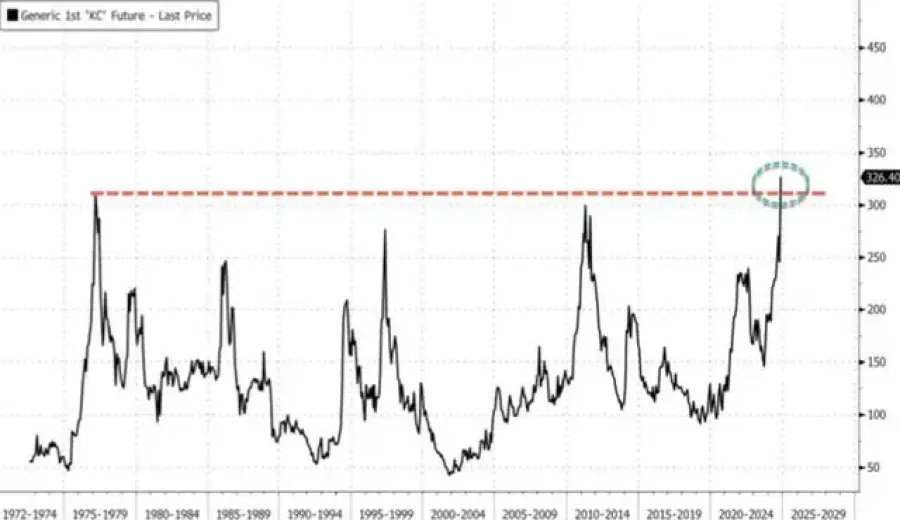
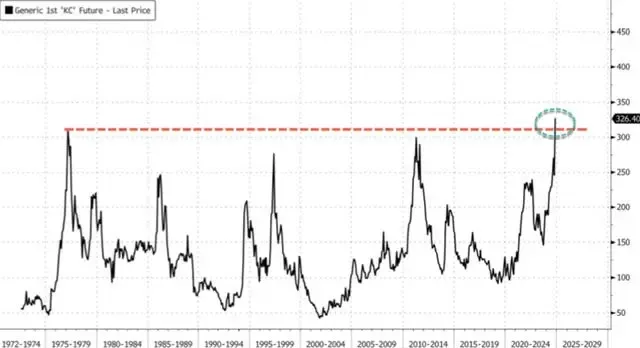
The global coffee market is facing its most significant price volatility in years. According to market data, the price of Arabica coffee futures traded in New York spiked to $3.1280 per pound on November 25 — not only a 1.54% single-day increase but also a historic high since 1997. As of November 27, the U.S. C-market coffee futures price stabilized at $3.2615 per pound, surging 4.49% from the previous day. Meanwhile, Robusta coffee futures have also risen due to drought threats, hitting a peak since the 1970s at $5,327 per ton, with recent quotes still holding at the high level of $5,116.
Experts analyze that multiple factors are behind this price explosion. The primary reason is Brazil — the world’s largest coffee producer — experiencing its worst drought in 70 years during August and September 2023, followed by unusual heavy rains in October. These extreme weather conditions directly impacted coffee bean yield and quality. Additionally, the international supply chain has faced challenges, with port congestion and unrest in the Red Sea region causing logistics costs to skyrocket, further driving up the overall expense of the global coffee supply chain.
The rise in raw coffee bean costs has quickly been reflected in the prices of end products. Ajinomoto’s AGF coffee division, a well-known Japanese food group, recently announced that starting March 1, 2025, it will adjust the prices of up to 172 products, including stick packs, instant coffee, drip bags, and capsule coffee, with an expected increase of 15% to 30%. Furthermore, the brand will adjust the volume of 17 stick pack coffee products starting March 3, reducing their size by approximately 10% to 12% to alleviate cost pressures.
As the second-largest coffee brand in the Japanese market, AGF was established in 1954 and is known for its exclusive “T2 ACMI Roasting®” roasting technique. It is also one of the early pioneers in the espresso shot category. The brand includes well-known sub-series such as Blendy, Maxim, and marim, with the popular Blendy series also included in this price adjustment. In its statement, Ajinomoto AGF pointed out that the main reasons for the price hike are exchange rate losses due to the continued depreciation of the yen, coupled with a sharp rise in the prices of major ingredients such as coffee beans. The company can no longer fully absorb these rising costs internally.
In fact, the effect of rising coffee bean prices had already begun trickling down to the consumer market as early as the summer of 2023. For example, Starbucks Korea announced in July that starting August 2, it would increase the prices of its large (473 ml) and extra-large (591 ml) drinks by 300 KRW (about $0.22) and 600 KRW (about $0.44), respectively, while the price of medium-sized drinks remains unchanged. The official explanation stated that various factors pushing up coffee costs in the market have matured, and the upward trend in raw material prices continues, making the price adjustment unavoidable.
U.S. food giant J.M. Smucker also revealed in June that it would raise the recommended retail prices for some of its instant coffee products starting that summer. Italian legacy coffee manufacturer Lavazza admitted in a media interview that soaring raw material costs have forced the brand to adjust its pricing strategy and sacrifice part of its profit margin. Meanwhile, Nestlé, the world’s largest food company, recently stated publicly that to cope with the sharp rise in coffee bean procurement costs, it will initiate a new round of product price adjustments to ensure operational stability.
Overall market observation shows that this round of coffee bean price hikes not only affects brand pricing strategies but also reminds consumers to pay attention to changes in product volume and formulation when making purchases. Experts recommend keeping an eye on official brand information to stay updated on the latest price adjustments, and to moderately consider alternative choices in roast levels and origins to balance flavor preferences with budget considerations.
The above content is compiled by CoffeeHunters, a coffee news website.


