







Introduction:There are numerous grading standards for green coffee beans, with each producing region establishing different rules based on geography and cultivation characteristics. Understanding the three key criteria—sieve size, altitude, and defect rate—can help you decipher the grade labels on packaging, such as the common AA or G1. This article delves into the logic behind these grading systems and provides practical details to help you make more informed choices when selecting coffee beans.
Coffee beans grown around the world vary greatly in quality and characteristics due to differences in geology, climate, and farming methods, making it difficult to evaluate all coffee beans using a single standard. To effectively distinguish the grades and quality of coffee beans, each producing region develops a grading system suited to its local conditions. Currently, the most mainstream grading criteria can be divided into three main categories: bean sieve size, growing altitude (related to bean hardness), and defect ratio. These three methods are often used in combination, and some regions even conduct cupping tests after initial grading to further assess flavor performance and compensate for any shortcomings in the system. This article will break down these three grading logics in detail and explain the actual meanings of common grade markings such as AA and G1, helping coffee enthusiasts better understand the grade codes on packaging.
Since coffee is cultivated across tropical and subtropical regions, the natural environments and agricultural practices vary greatly from place to place, making it difficult to have a universally applicable grading standard. For this reason, each producing country designs a grading method that best suits its own geographical conditions, farming habits, and market demands. Such grading not only helps distinguish quality but also facilitates international trade and communication.
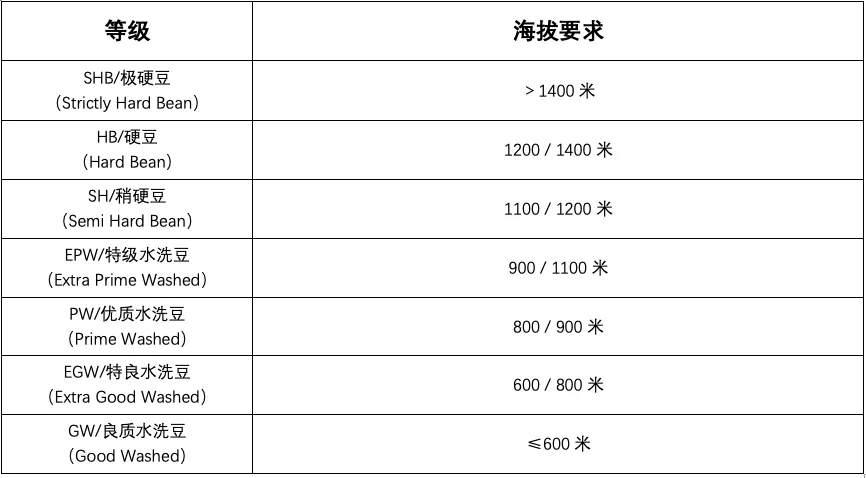
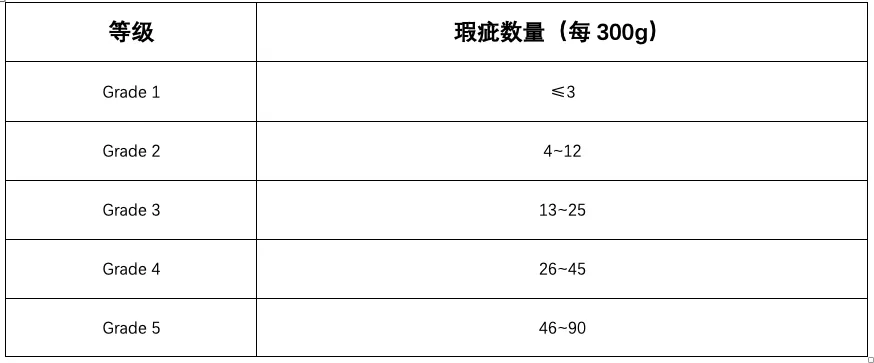
Currently, the grading of global green coffee beans is mainly based on three criteria: bean sieve size, growing altitude (usually related to bean hardness), and the ratio of defective beans. While these three indicators are mainstream, they are not the only ones. Many regions use a combination of these methods—for example, considering both altitude and bean size—and may even use cupping to evaluate flavor performance after initial grading to provide a more comprehensive assessment of coffee quality. Overall, these three criteria are the most common and representative grading methods, though they still vary depending on the specific region.
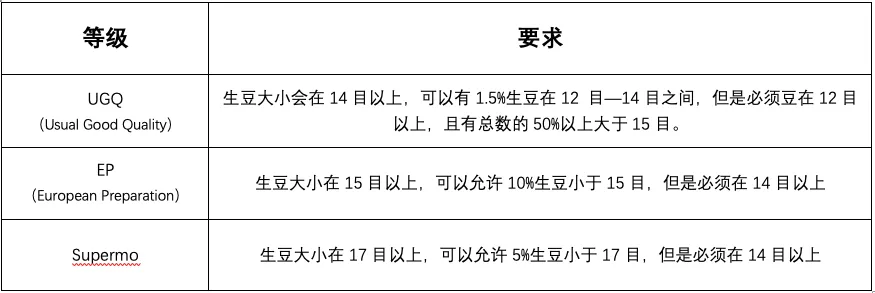
Among them,Sieve grading methodis the most intuitive one. The principle is to pass coffee beans through sieves with specific hole sizes and determine the bean size based on the sieve size they can pass through, then classify the beans by size. Generally speaking,the larger the bean, the higher the grade, though there are exceptions, such as with special varieties like elephant beans. This grading method was widely adopted early on, so many countries that have been growing coffee for a long time still use this system today.
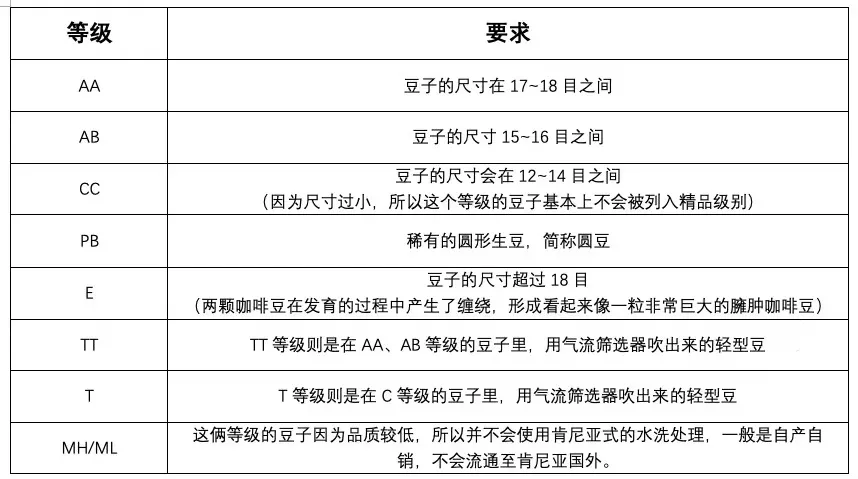
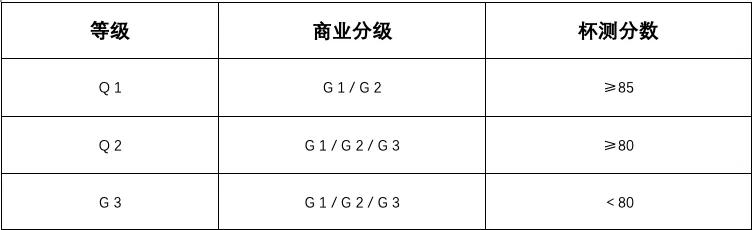
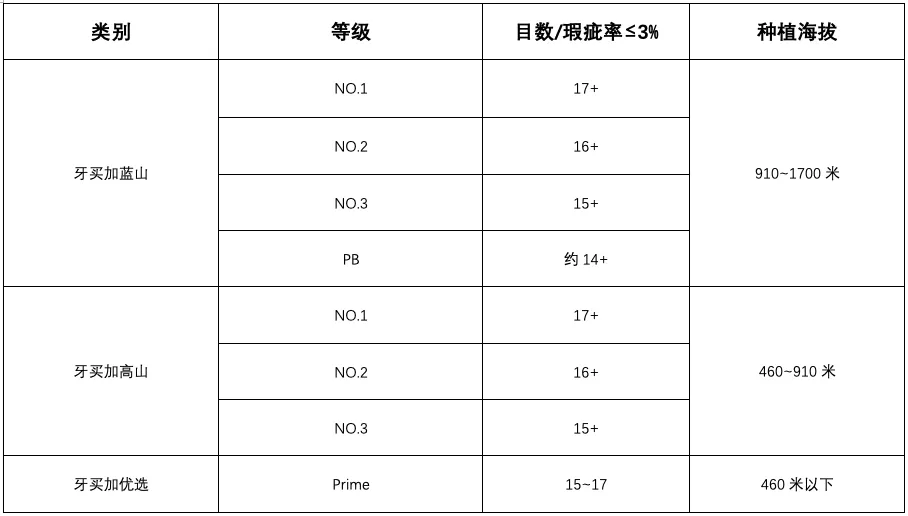
The reason for using sieve grading is that many producing regions believe that coffee beans that are plump, uniformly sized, and have a complete shape usually indicate that they have reached sufficient maturity during growth. Such beans can accumulate richer flavor compounds and are also easier to roast evenly, resulting in a more consistent and stable coffee flavor during brewing. Take Kenya as an example—the country primarily usesbean size as the main grading criterion. Below are the common grading standards in Kenya.

The above content is compiled by CoffeeHunters, a coffee news website.


