







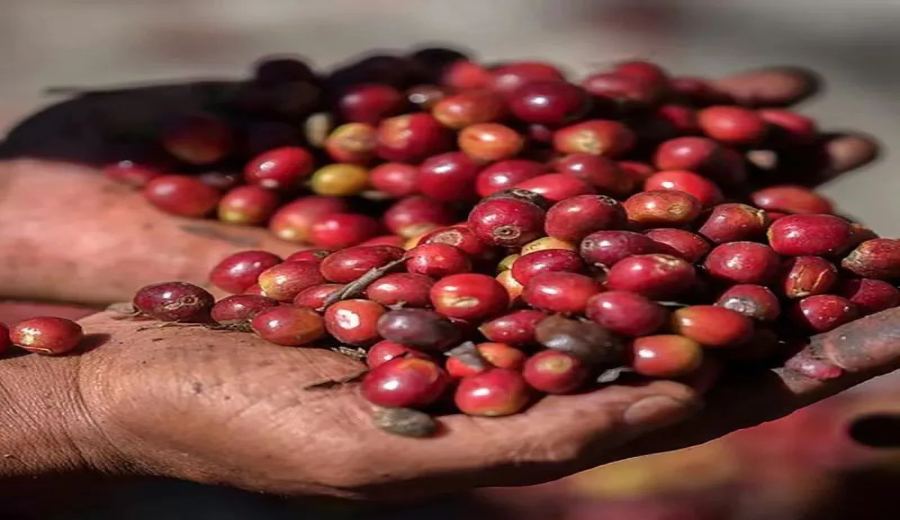
Introduction:Have you ever wondered why Ethiopian coffee beans often vary significantly in size and shape? This is actually related to the region’s rich genetic diversity of varieties, diverse farming methods, and unique grading system. This article delves into the reasons behind the appearance differences of Ethiopian coffee beans, introduces the three main cultivation types—garden, plantation, and forest—and focuses on variety 74158 from the JARC numbered series, exploring its origins and actual flavor performance in the Sidamo Santa Vivine growing area.
Ethiopia is hailed as the birthplace of Arabica coffee and is one of Africa’s largest coffee-exporting countries. The coffee produced here is renowned for its unique floral and citrus notes, winning the hearts of coffee lovers worldwide. However, many consumers, when tasting or purchasing Ethiopian coffee, often notice a phenomenon: the beans vary noticeably in size and lack uniformity in appearance. Is this a quality flaw, or is there another reason?
In fact, this phenomenon is not due to quality issues but stems from the high diversity of Ethiopian coffee varieties. The region is home to more than ten thousand coffee varieties, the vast majority of which have not yet been formally classified or identified. Due to the vast number of varieties and the fact that many remain undifferentiated, the coffee cherries and green beans naturally vary significantly in size and shape across different varieties, resulting in beans that differ in both size and form.
In terms of farming methods, Ethiopia is mainly divided into three types: garden cultivation, plantation cultivation, and forest cultivation. Among these, garden cultivation is the most common, accounting for more than half of the country’s total coffee production. Farmers typically grow coffee trees in their backyards or intercrop them with other crops in small-scale farmland, with each household managing less than 4 hectares on average. After harvest, these coffee cherries are usually sent to nearby centralized processing stations or cooperatives for unified post-harvest processing and export.
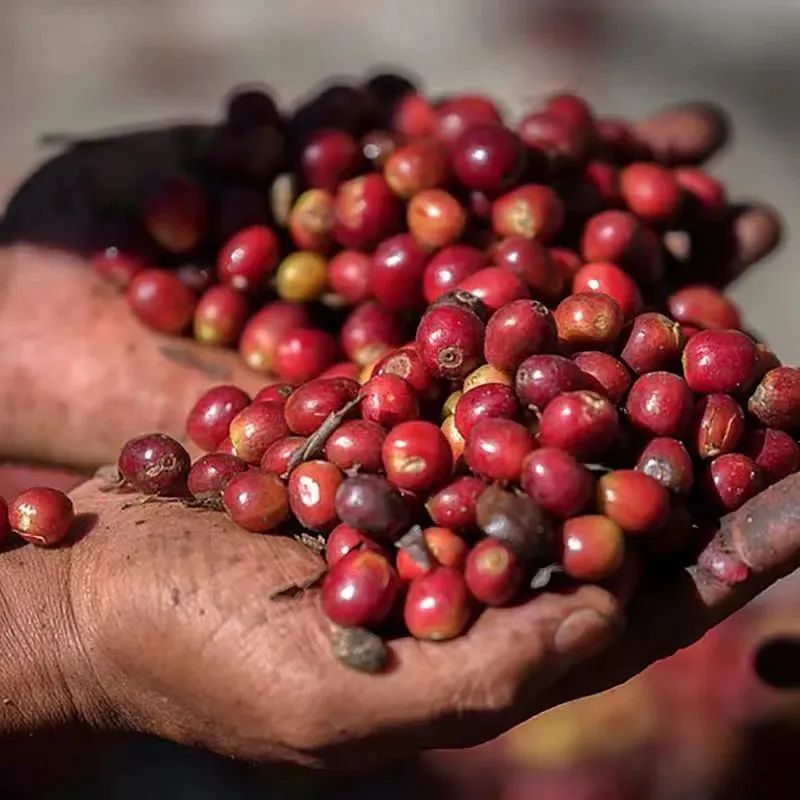
Another common cultivation method is forest cultivation, primarily concentrated in the Kaffa Zone in the southwestern part of the country. This area is considered one of the birthplaces of coffee and still preserves a large number of wild Arabica coffee mother trees, serving as an important genetic reservoir for the variety. Around the Kaffa Forest and its surrounding areas, there are approximately 30 coffee-producing cooperatives. Local farmers harvest the coffee cherries when they ripen in the forest and then sell or export them at designated processing points.
Under both garden and forest cultivation models, since farmers often cannot accurately identify the specific coffee varieties they are growing—whether passed down through generations, exchanged among neighbors, or resulting from mixed planting—the same harvest often contains multiple undifferentiated varieties. During processing, these cherries from different farms, which may include several mixed varieties, are processed together, resulting in “blend lots” that are inconsistent in size and appearance.
Coffee harvested under the forest cultivation model is more often labeled as ‘Heirloom,’ or what we call in Chinese ‘原生种’ or ‘传家宝品种.’ These varieties are mostly not classified under modern systems and retain the most original genetic characteristics.
It’s worth noting that due to the uneven size of the beans, Ethiopia’s grading system differs from those of other producing regions. They do not grade beans based on physical size but instead focus on defect rates and cupping quality. The grading system established by the Ethiopian Commodity Exchange (ECX) calculates the number of defective beans in a 300-gram sample and, combined with cupping scores, classifies the coffee into six major grades: G1 to G5, and Grade UG (which is further divided into P for parchment and NP for natural). Therefore, even if the beans vary in size, as long as the defect rate is low and the flavor profile is excellent, they can still be classified as high-grade.
In addition to local native varieties, Ethiopia also widely cultivates JARC varieties developed by official research institutions. These varieties were created by the Jimma Agricultural Research Center between 1973 and 1975. At that time, researchers collected 639 coffee varieties from 15 regions for trial planting and screening, ultimately selecting 13 varieties with disease resistance, drought tolerance, high yield, and good flavor.
These varieties are categorized as the ‘1974/1975 CBD-Resistant Selections,’ which are the numbered series commonly referred to today, such as 74110, 74158, and 74112. The ‘74’ and ‘75’ represent the years the varieties were discovered, while the last three digits are the variety codes. These numbered varieties are now widely planted in various producing areas of Ethiopia and are highly favored for their stable performance and strong adaptability.

Take the Santa Vivine processing station in the Sidamo region as an example. This station, affiliated with the DWD company, uses the 74158 variety and processes it with a 96-hour anaerobic natural method. This coffee, after brewing, exhibits delicate fermented wine-like aromas, along with clear citrus and berry notes typical of tropical fruits. It has a rich and full-bodied mouthfeel, with an aftertaste reminiscent of the lingering notes of red wine. It is an excellent choice for coffee enthusiasts looking to explore new flavors or delve deeper into the terroir of Ethiopian coffee.
The above content is compiled by CoffeeHunters, a coffee news website.


